What happened
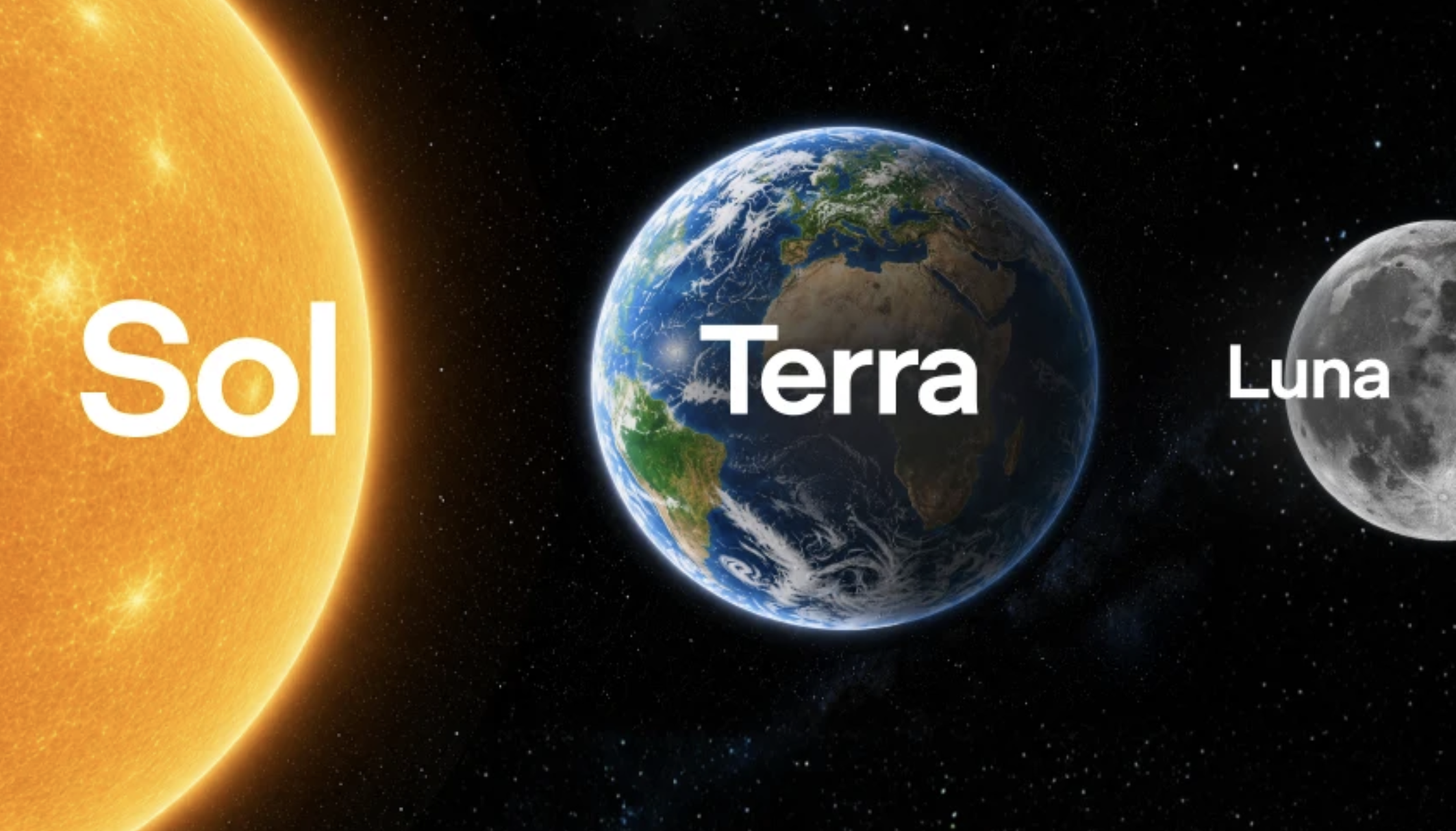
OpenAI released GPT-5.6 models to all users, featuring three variants (Luna, Terra, Sol) each with five thinking levels (light, medium, high, xhigh, max) plus a new Ultra mode. The macOS ChatGPT app and Codex app have merged into a single unified application called ChatGPT Work, and a new ChatGPT Sites plugin enables building hosted websites with optional login integration.
Why it matters
The merge simplifies the user experience by combining coding and general-purpose tools into one app, while the expanded thinking-level options let users trade off speed and accuracy per task. However, higher thinking levels consume usage limits significantly faster—OpenAI even temporarily removed the 5-hour usage limit during weekend bug fixes, meaning users can deplete weekly allowances in a single session.
What to watch
Sol excels at UI design and writing at Max thinking; Terra offers minor improvements over GPT-5.5 with better steerability; Luna works best for clearly-defined tasks but struggles with ambiguous prompts. The models' Computer Use feature (self-driving cursor control) is available now, particularly effective at Sol medium/high thinking levels.
Summaries like this, in your inbox every morning.
OpenAI's GPT-5.6 release marks a significant consolidation of its product surface. By merging Codex and ChatGPT into a single ChatGPT Work application, the company is streamlining the user experience—though this integration required multiple usage resets during the weekend to fix bugs introduced by the app merge, and the temporary removal of usage limits suggests the transition was operationally complex. The introduction of three distinct models (Luna, Terra, Sol) with granular thinking-level control reflects a design philosophy that lets users optimize for their specific task and budget constraints rather than forcing all workloads through a single model. However, the body notes that higher thinking levels consume limits much faster, creating a practical tension: users who rely on Max or Ultra thinking may exhaust their allocations quickly, particularly if they default to expensive reasoning chains for routine tasks.
Pick your industry and the AI tools you use, and get news related to your work every day.
Free · 30 seconds with Google · unsubscribe anytimeWhat is AIToday? →
Ask AI anything about this article. The AI reads this article, earlier AIToday articles, and Wikipedia, and cites its sources. Q&As are published on this page for other readers too.
Cammarata reinterprets InceptionV1's cat-car neuron as a V-shape detector, not two unrelated concepts

Google Deepmind's Gemini 4 Argon scored 97.5 percent on ARC-AGI-3 at a cost of $4,800, second only to GPT-6 As…

Microsoft's Surface Laptop Ultra, using Nvidia's RTX Spark platform, starts at $2,599 (up to $5,899)

Meta's new commercial terms, effective October 30th, appear to let it crawl and train AI on content from websi…
Vercel data published Thursday shows TypeSafe AI's Jev, a lightweight decision model for choosing among predet…

Reflection AI introduced Beam, an open-weight model for agentic coding and long-horizon tasks, with 501 billio…