What happened
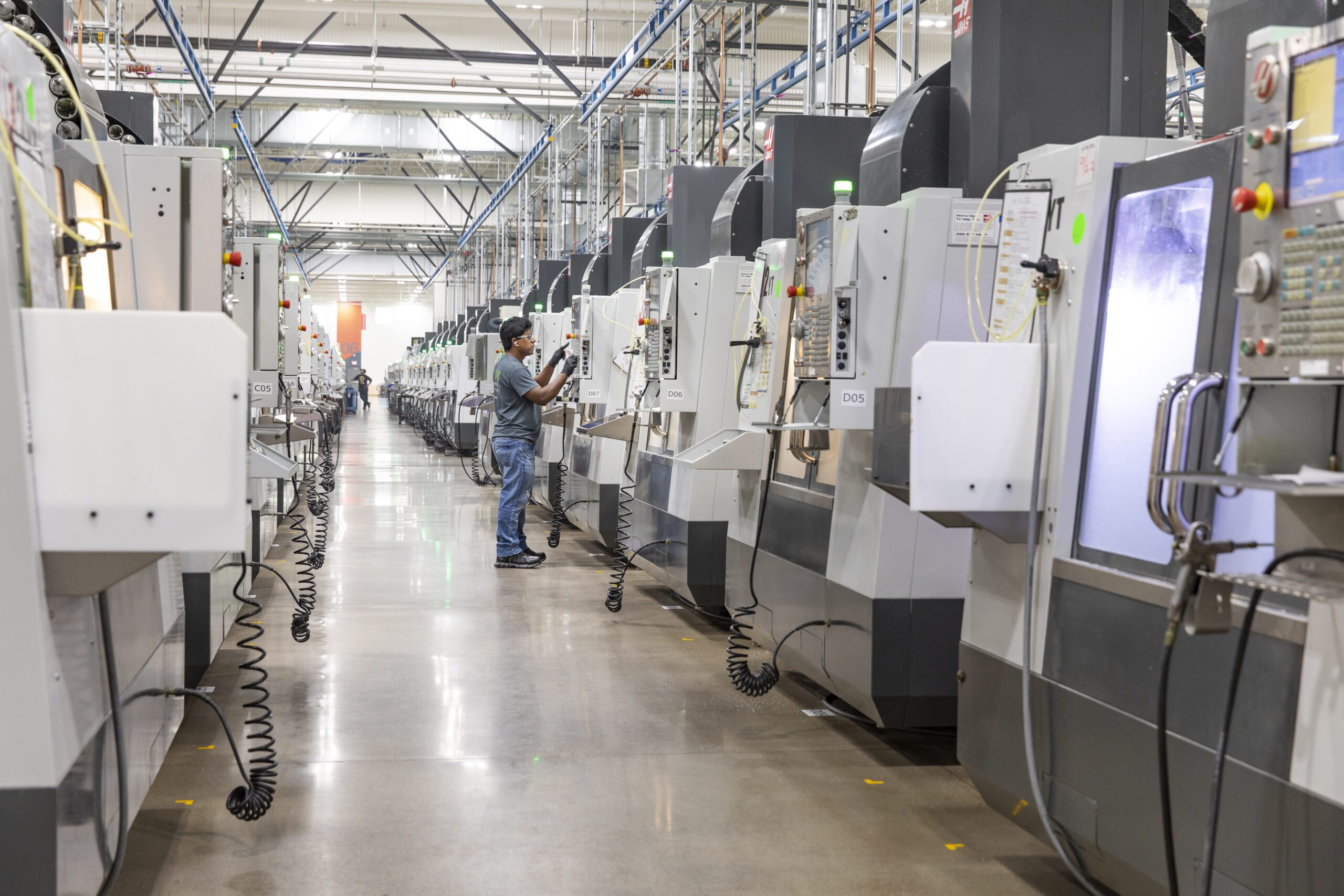
On-demand manufacturing company Protolabs announced new CNC machining capabilities and expanded 3D printing capacity through a partnership with HP Additive to serve drone manufacturers. The company reported that revenue from drone customers has grown more than 90% since 2023, representing a compound annual growth rate of nearly 40%.
Why it matters
Drone developers face pressure to shorten development cycles while scaling production quickly. Rather than building dedicated manufacturing lines early, they can now use rapid prototyping and production services to iterate designs and move from prototype to flight-ready parts in days instead of weeks, allowing them to keep pace with competitors innovating at speed.
What to watch
Protolabs operates ITAR-registered U.S. facilities and maintains AS9100 and ISO 9001 certifications, positioning it to serve both commercial and defense drone programs as the global drone market expands alongside defense spending increases and commercial applications.
Summaries like this, in your inbox every morning.
Protolabs' expansion reflects a fundamental shift in how drone manufacturers operate. Historically, companies invested heavily in dedicated production lines early in development, locking in design choices and manufacturing costs. The body shows that customers now use rapid manufacturing services throughout the entire product lifecycle—from early prototypes through production—indicating that on-demand services have become central to competitive drone development rather than a backup option.
The 90% revenue growth since 2023 and compound annual growth rate of nearly 40% from drone customers signal that this shift is accelerating. The body attributes this partly to market drivers: global defense spending is increasing and commercial drone applications are expanding across industries, creating demand for small production runs that meet aerospace quality standards. Protolabs' new capabilities—tighter-tolerance CNC machining, expanded 3D printing via its HP partnership, and ITAR/AS9100 certifications—address the specific bottlenecks drone engineers face: the need to iterate quickly without long lead times while maintaining the lightweight precision required for flight-critical parts.
The emphasis on domestic, ITAR-registered supply chains reflects a broader industry priority cited in the body: manufacturers now seek partners that support rapid design changes and eventual scaling without reliance on offshore lead times. For drone companies competing in both commercial and defense markets, Protolabs' combination of speed and regulatory compliance appears to have become a strategic advantage.
Pick your industry and the AI tools you use, and get news related to your work every day.
Free · 30 seconds with Google · unsubscribe anytimeWhat is AIToday? →
Ask AI anything about this article. The AI reads this article, earlier AIToday articles, and Wikipedia, and cites its sources. Q&As are published on this page for other readers too.
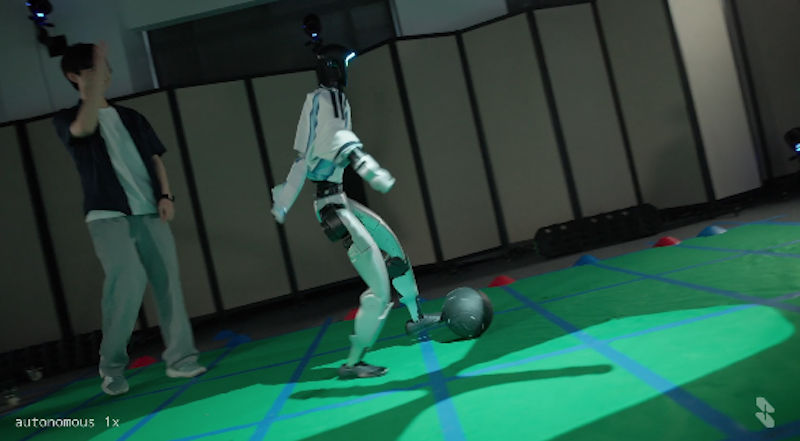
Skild AI used Nvidia Isaac Sim to give its S1 model one objective — score a goal — and let it compete against…
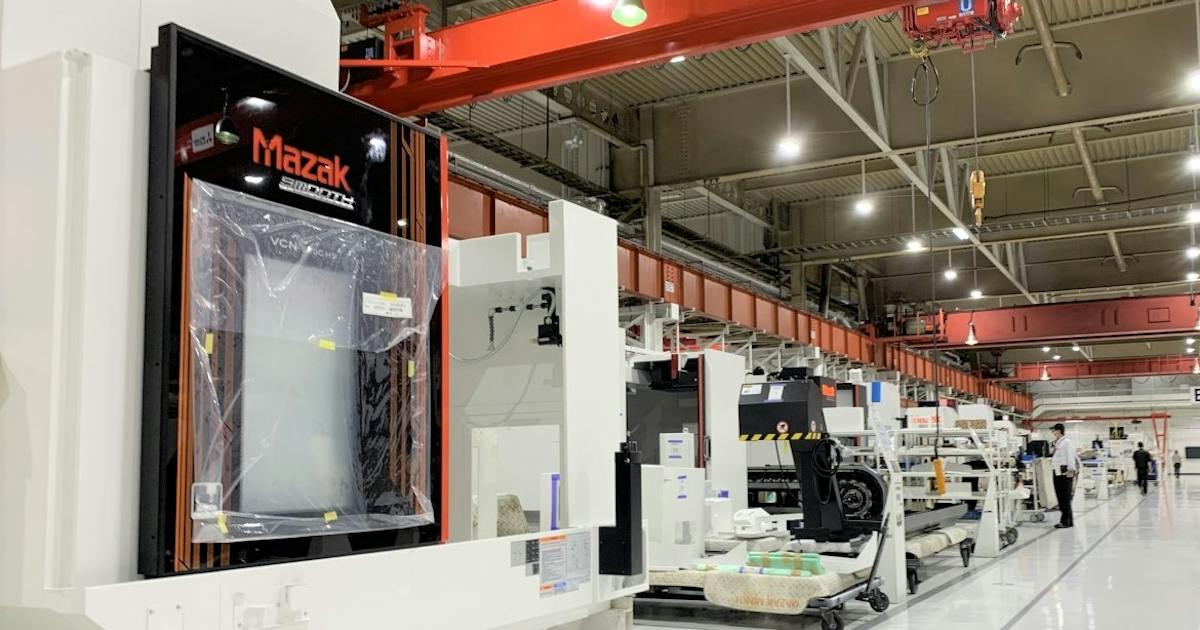
Yamazaki Mazak and ABEJA said on the 16th they will start joint development of physical AI, using ABEJA's ABEJ…
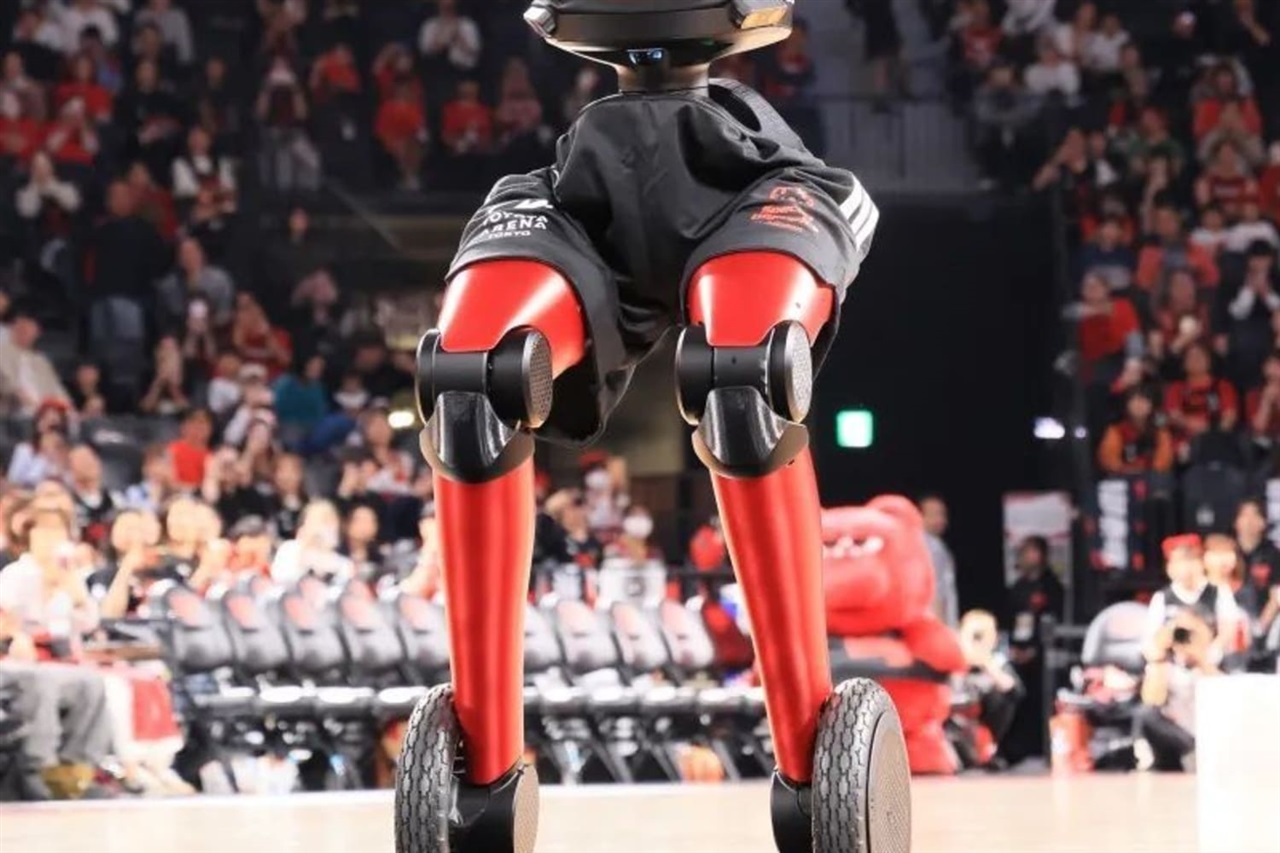
Toyota Motor's Japan Mobility Show Bizweek 2026 booth centers on its AI basketball robot CUE7, has no other ex…
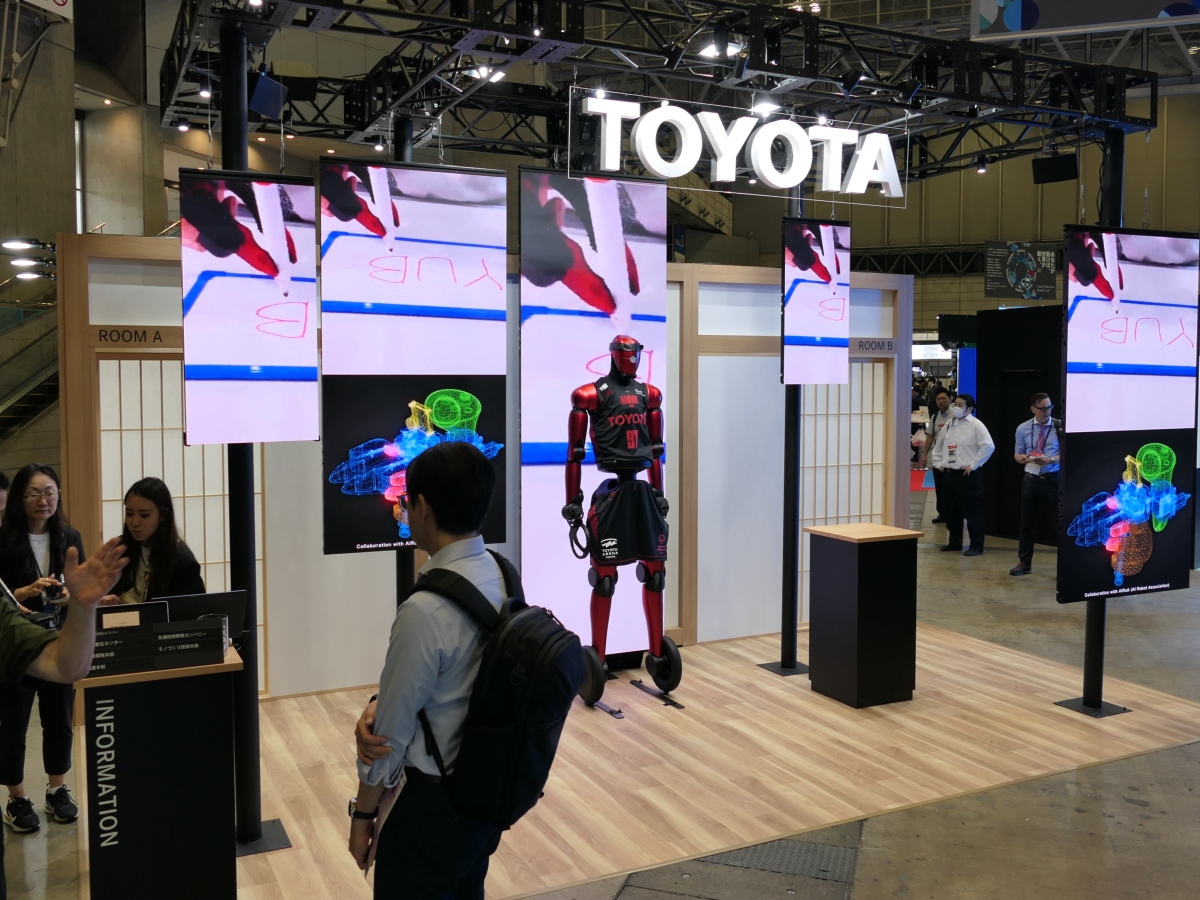
Japan Mobility Show Bizweek 2026 showcased Physical AI applications, including Toyota's basketball-playing rob…
Google pitched Gemini 4 Argon as one model for robot control, simulation and training-data review, saying it s…
Researcher Sammy Azdoufal discovered Energize Lab's Eiliko robot stores 13 million conversations from 68,000 t…