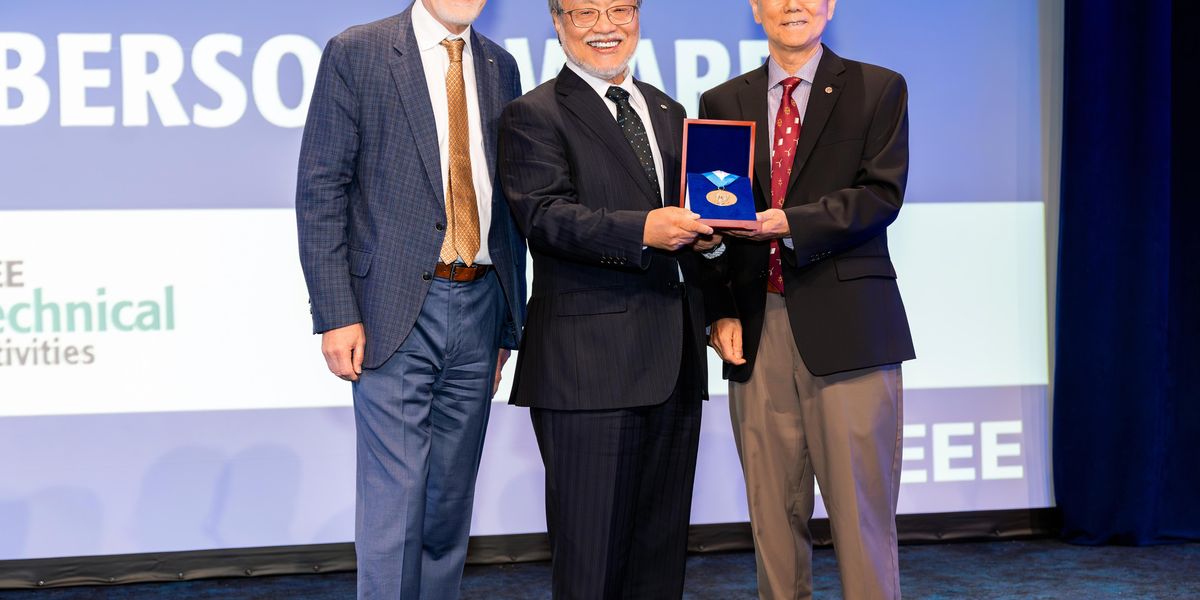
What happened
Toshio Fukuda, a prolific robotics researcher who served as IEEE president in 2020 (the first person of Asian descent to hold the role), received the Richard M. Emberson Award on April 24 in New York City for distinguished service advancing IEEE's technical objectives, especially in robotics.
Why it matters
Fukuda is recognized as one of the most influential figures in robotics, having authored over 2,000 research papers and pioneered biomedical robotic systems, micro-nano robotics, and modular cellular robotic systems (CEBOTs). His work has shaped practical technologies now used in hospitals, agriculture, and distribution centers, demonstrating how academic robotics research translates into real-world applications.
What to watch
Fukuda currently serves as vice president of research at the Egypt-Japan University of Science and Technology in Alexandria and is a former program director of Japan's Moonshot program, which intends by 2050 to develop advanced AI robots. His ongoing leadership positions him as a continued influence on the field's trajectory.
Summaries like this, in your inbox every morning.
Fukuda's career trajectory reflects a deliberate bridge between academic theory and industrial application. After earning his doctorate from the University of Tokyo and conducting research at Yale, he returned to Japan and worked at the government's Mechanical Engineering Laboratory, then as an associate professor at Tokyo University of Science. His shift toward developing inspection robots for industrial plants proved financially sustainable—companies funded his research directly because the technology solved real problems in hostile environments. This pragmatic approach to funding freed him to pursue more foundational research, such as the modular CEBOT systems he introduced in 1985, which remain in use today across hospitals, agriculture, and logistics.
Fukuda's influence extends beyond individual technologies. In 1989, he joined Nagoya University as a professor of mechanical engineering and micro-nano systems engineering, where he spent 24 years as director of the Center for Micro-Nano Mechatronics, developing groundbreaking work in intelligent robotic systems and medical applications. He also helped develop brachiation robots in 1988—gravity-based locomotion systems inspired by monkeys that now inspect high-voltage transmission towers, search for survivors in damaged buildings, and perform pipeline maintenance. His appointment as IEEE president in 2020 marked institutional recognition of his global standing. Even after retiring from Nagoya University in 2013, he has remained active, teaching at Meijo University until 2022 and now serving as vice president of research at the Egypt-Japan University of Science and Technology, positioning him to influence the next generation of robotics researchers internationally.
Pick your industry and the AI tools you use, and get news related to your work every day.
Free · 30 seconds with Google · unsubscribe anytimeWhat is AIToday? →
Ask AI anything about this article. The AI reads this article, earlier AIToday articles, and Wikipedia, and cites its sources. Q&As are published on this page for other readers too.
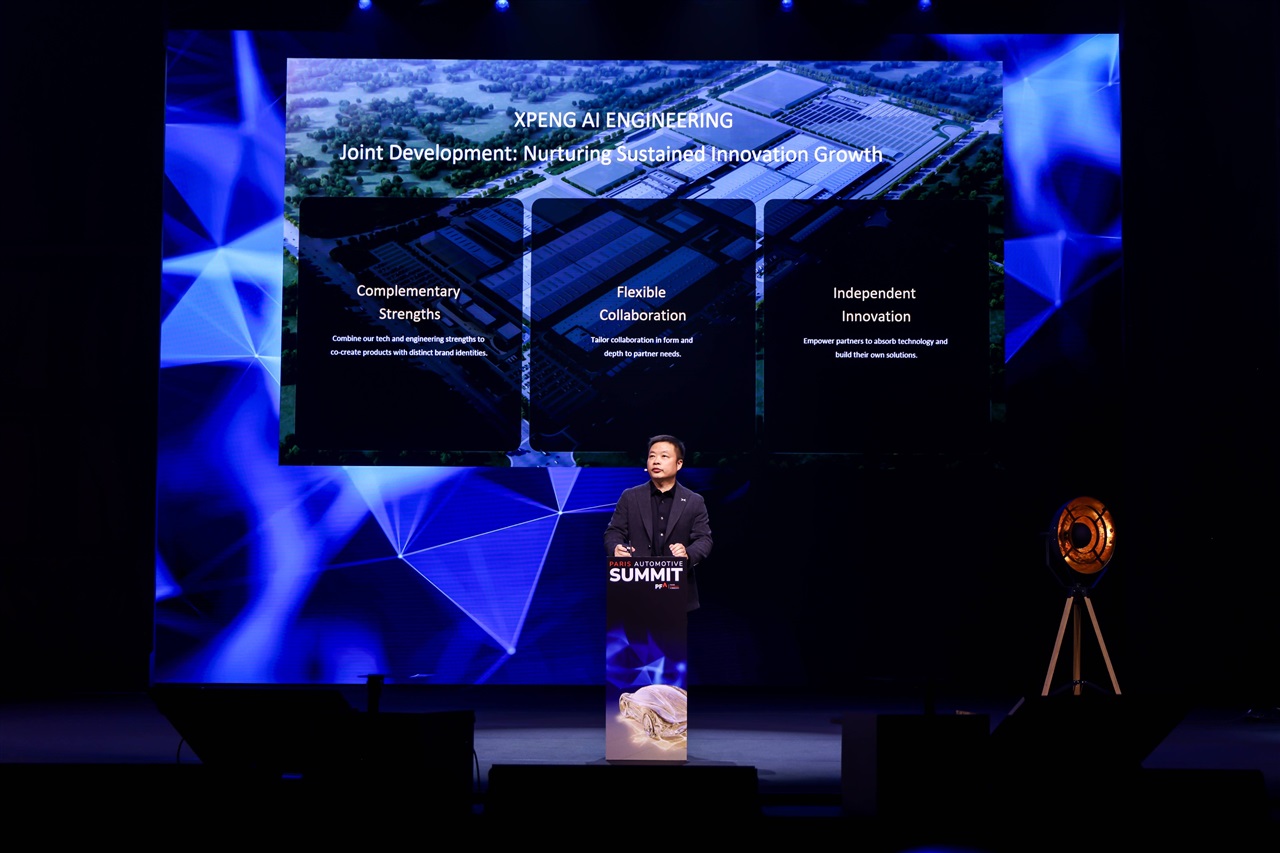
XPeng appeared at the Paris Automotive Summit, presenting not only automotive expertise but a broader technolo…
AIBotics completed its acquisition of NovaCore Labs' operating assets from PlayJamaica Limited, gaining 10 ser…

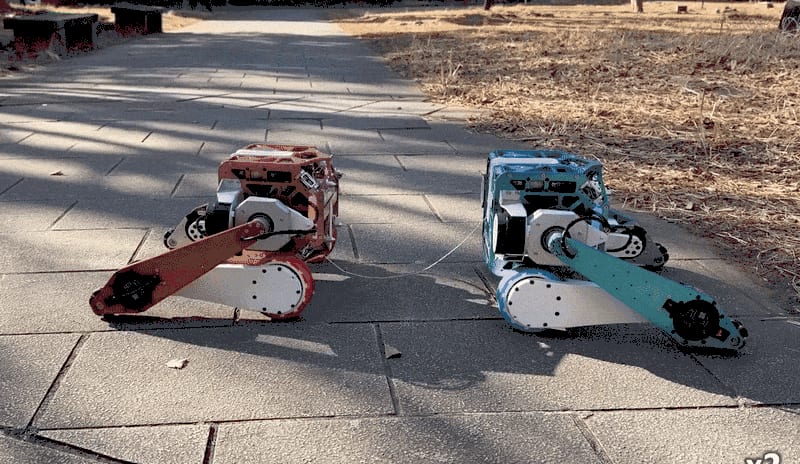
In an internal test, Google DeepMind robotics researchers instructed Gemini 4 Argon to watch a video of a huma…
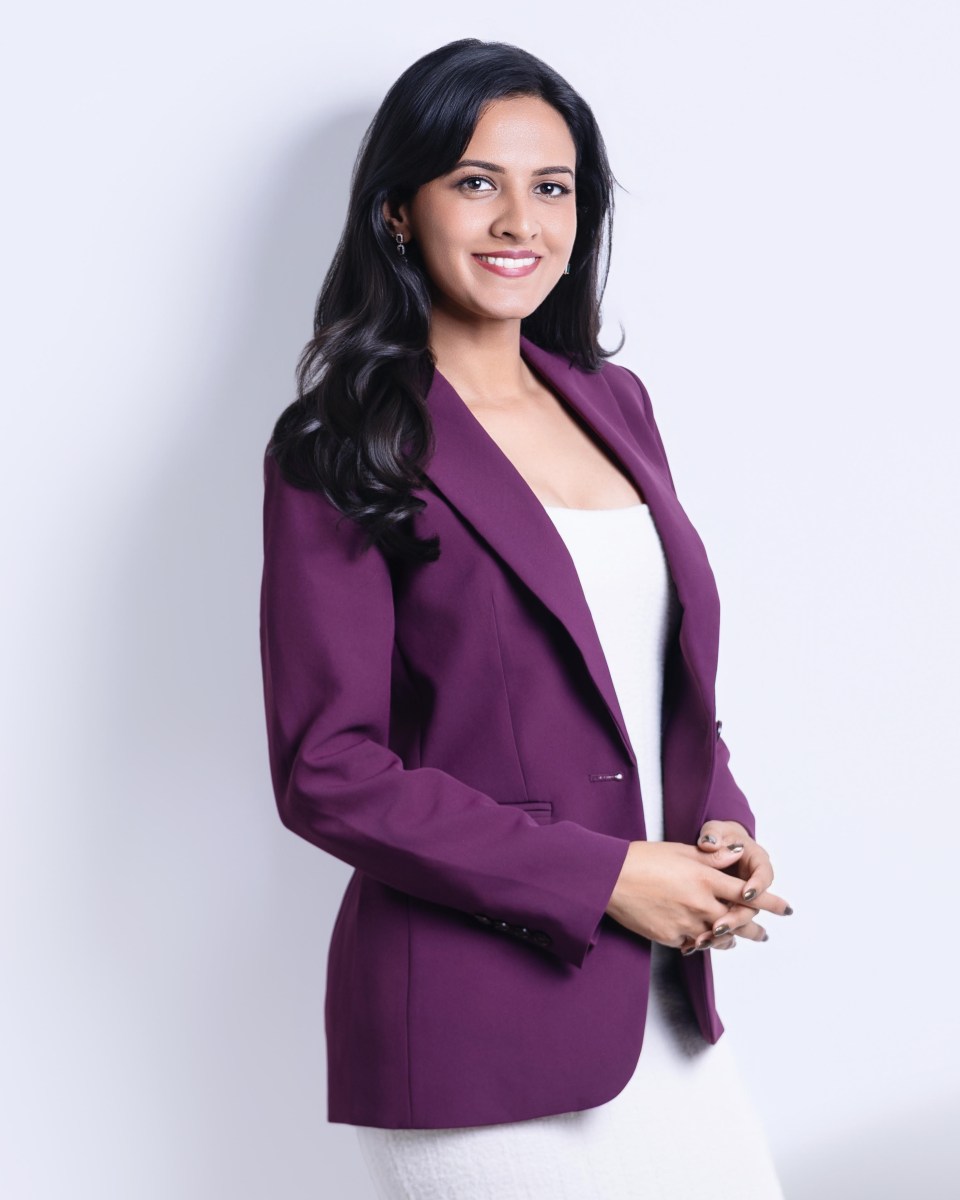
Amulya Vishwanath, who spent seven years leading product marketing for Nvidia's robotics platforms, says robot…
Claire interviewed Rika Antonova of the University of Cambridge on the Robot Talk podcast about using AI to de…
An essay argues that after language models spread through cognitive work like writing and accounting, AI is no…