
At the Humanoids Summit in Tokyo in late May 2026, government delegates and policy watchers appeared alongside technology speakers for the first time, marking a shift in how the robotics and physical AI industry is being shaped.
The presence of state actors suggests that competition in robotics is increasingly driven by national policy priorities, not just corporate innovation.
What happened
At the Humanoids Summit in Tokyo in late May 2026, government delegates and policy watchers took the stage alongside technology and commercialization speakers for the first time, signaling a shift in how the robotics industry is being shaped.
Why it matters
The presence of government officials at a major robotics conference suggests that national policy and state-level competition are becoming as important as corporate innovation in the physical AI sector. This reflects a broader shift in how governments view robotics and AI development as strategic priorities.
What to watch
The column indicates that executives from major US robotics companies are observing this geopolitical dimension closely, though the full scope of government involvement and policy directions remains to be seen.
Ask the AI about this article →
The Humanoids Summit in Tokyo represents a notable inflection point in how the robotics and physical AI industry is perceived globally. What was once a forum dominated by technology companies and commercialization discussions has begun to accommodate government delegates and policy watchers, reflecting a recognition that robotics is no longer a purely private-sector competition. This shift mirrors broader geopolitical trends in which governments view advanced technologies—including AI and robotics—as strategic national assets. The presence of state actors at such conferences underscores that the future of physical AI development will be shaped not only by corporate research budgets and product timelines, but also by government policy, international competition, and national priorities. For businesses in the sector, this signals that regulatory frameworks, export controls, and cross-border collaboration rules are likely to become as influential as traditional competitive advantage.
For example, today's edition would include:
AI-summarized, only the topics you pick — one digest a day via Email, Slack, or Discord.
Free · takes 30 seconds · unsubscribe anytimeWhat is AIToday? →
Ask AI anything about this article. Q&As are published on this page for other readers too.
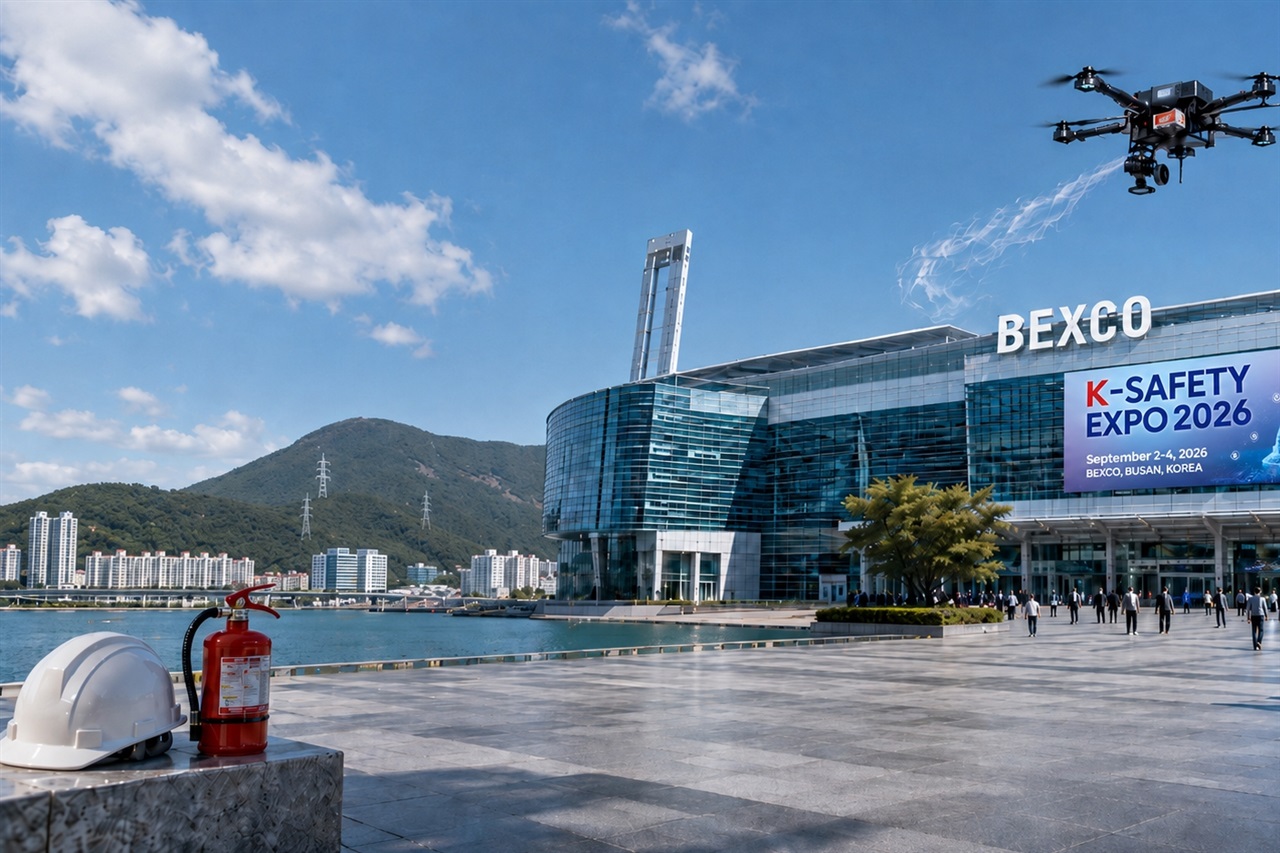
K-Safety Expo 2026 will be held at BEXCO in Busan from September 2–4, featuring AI, robots, sensors, and conne…
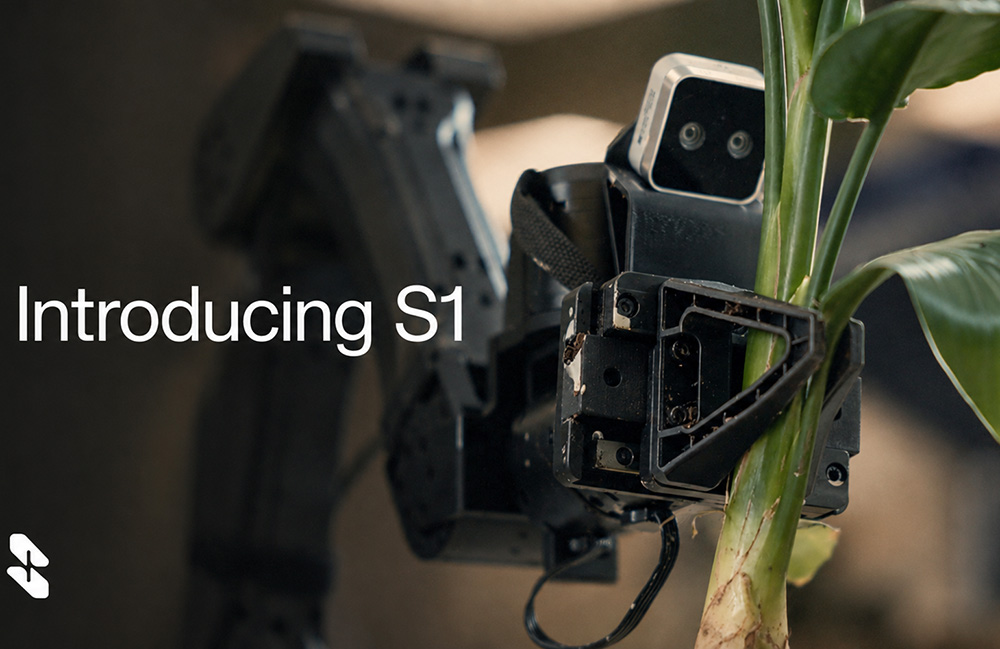
Skild AI has introduced S1, its flagship robot foundation model, which lets robots learn new, complex tasks by…
BHP, the world's largest mining company by market capitalization, has deployed AI across its operations
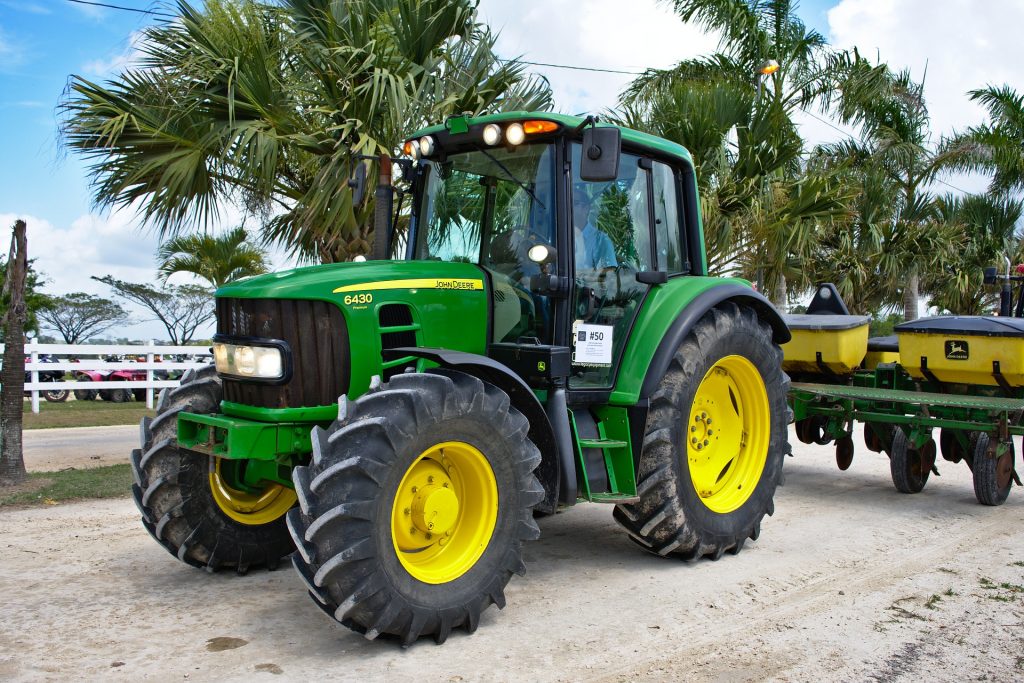
John Deere announced a three-year, $10 million research and development partnership with ag-tech company Reser…
On July 16, 2026, NVIDIA announced that 22 Japanese companies and organizations have expressed intent to join…
Panasonic HD has established a new AI and robotics research and development division, and CAIO Sakaba is leadi…