What happened
Uber rolled out hotel bookings (via Expedia partnership), boat rentals in Europe, and "shop for me" concierge features this year, framing the push as a travel strategy. The company also launched AV Labs six months ago, a separate business unit deploying sensor-equipped vehicles to collect driving data independently from its regular driver network.
Why it matters
Travel represents what Uber calls "the third leg of the stool" alongside rides and delivery—1.5 billion trips yearly happen outside users' home cities. Uber One membership now has 51 million members and accounts for roughly half of bookings; the company reports cross-selling is working, with delivery-only users adopting mobility and vice versa. Uber Eats has been independently profitable for several quarters. The AV Labs data operation appears designed to give Uber leverage with autonomous-vehicle partners (including Waymo, which it competes with in some cities) while hedging its own exposure to autonomous-vehicle development.
What to watch
Uber emphasizes it is "not trying to be everything to everyone"—it partners on some services (boat rentals hand off to booking partners) and integrates deeply on others (Expedia hotels). The company wound down its Waymo pilot in Phoenix while scaling in Austin and Atlanta, and holds equity in several autonomous-vehicle partners it also competes against directly.
Summaries like this, in your inbox every morning.
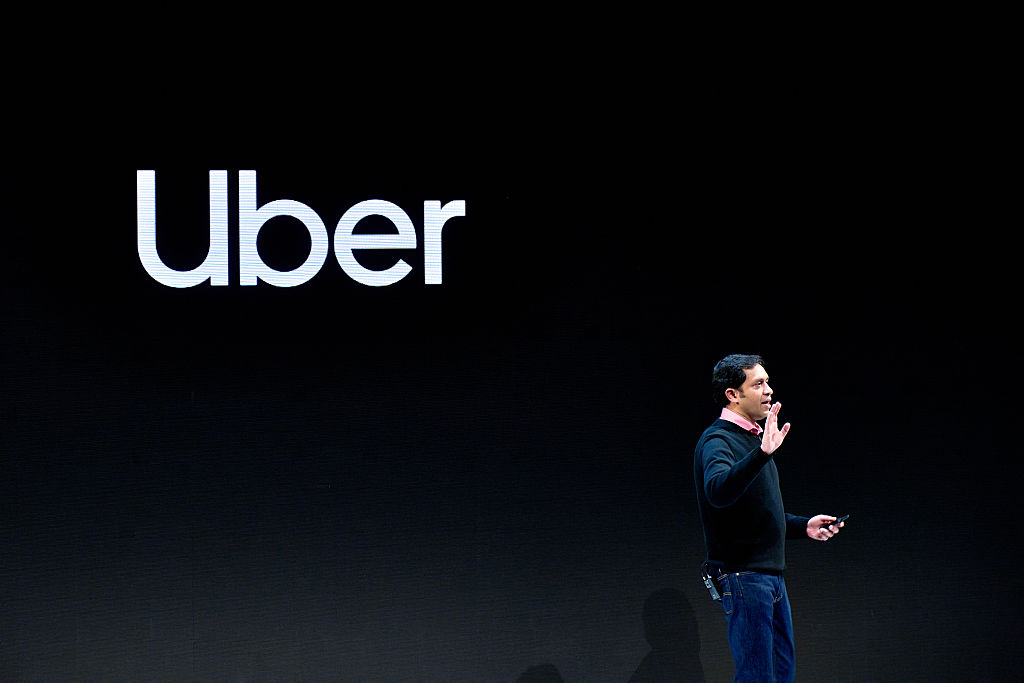
Uber's expansion into travel and autonomous-vehicle data reflects a strategic pivot beyond its core ride-hailing and delivery businesses, but the company is being selective about which services it builds directly versus partners on. Chief Product Officer Sachin Kansal notes that Uber users take 1.5 billion trips annually outside their home cities, making travel a natural extension—and the company has used its membership program (Uber One, with 51 million members) to drive cross-selling between ride, delivery, and now travel products. The strategy appears to be working: members break even on delivery in two to three orders, and the company reports cross-usage is rising, with people who previously used only one service adopting others.
The AV Labs initiative is the more complex move. By deploying its own fleet of sensor-equipped vehicles and collecting driving data at scale, Uber claims to offer autonomous-vehicle partners access to edge-case scenarios and operational know-how—how to handle pickups, drop-offs, and lost items in a real-world ride-hailing context. However, this also positions Uber as a data layer and optionality player in a sector where it competes directly with Waymo and other partners in which it holds equity. The company wound down its Waymo pilot in Phoenix (which had about a dozen cars) while scaling Waymo deployments in Austin and Atlanta (hundreds of cars), signaling that Uber views autonomous vehicles as one input to managing demand and supply in a hybrid network with human drivers—not as a path to becoming an autonomous-vehicle operator itself.
Pick your industry and the AI tools you use, and get news related to your work every day.
Free · 30 seconds with Google · unsubscribe anytimeWhat is AIToday? →
Ask AI anything about this article. The AI reads this article, earlier AIToday articles, and Wikipedia, and cites its sources. Q&As are published on this page for other readers too.
The Air Force upgraded the X-62 VISTA with advanced radar, expanded sensors and computing, and modern network…
T2 said it will join ENEOS and others in the Agency for Natural Resources and Energy's demonstration project f…
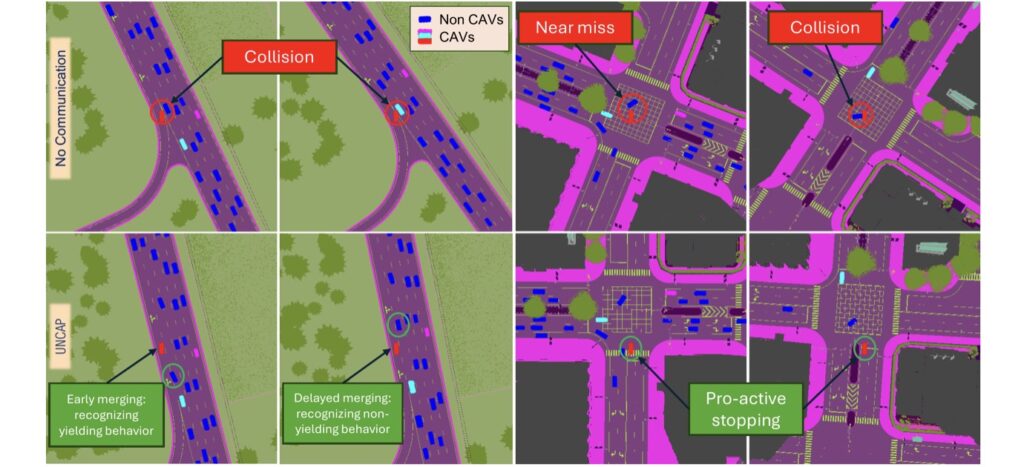
Researchers present neurosymbolic planning using natural language communication for cooperative autonomous veh…
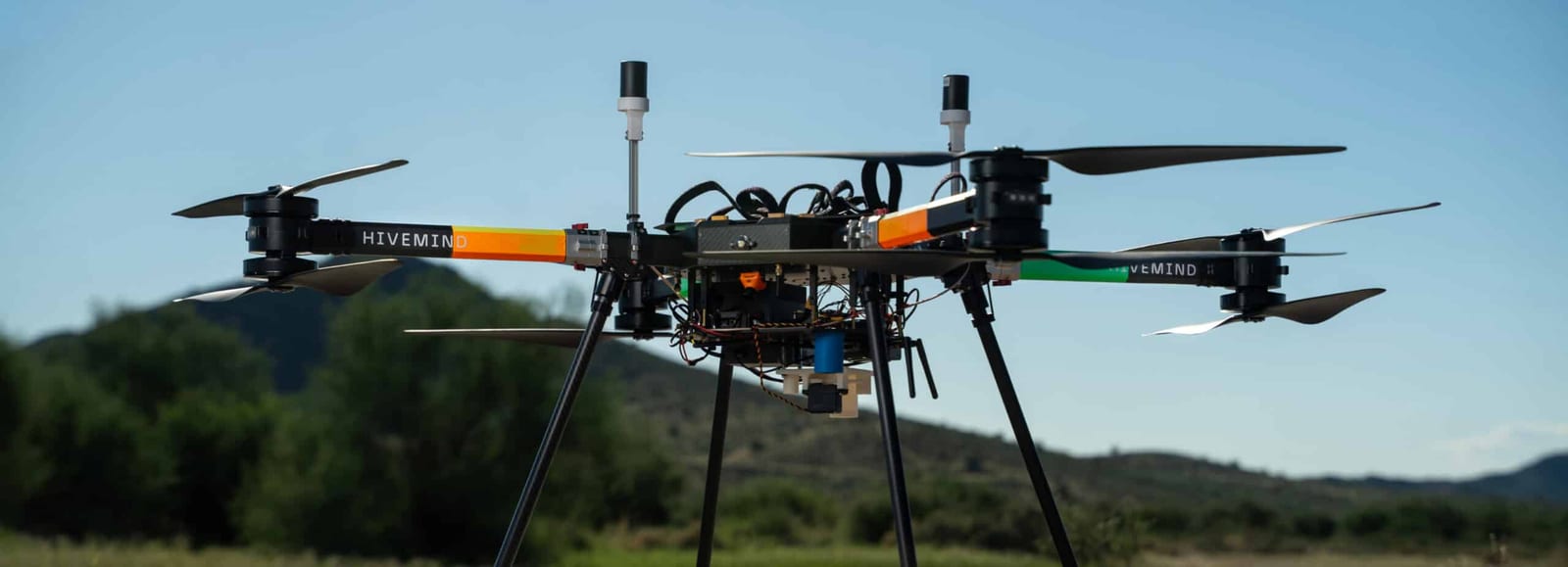
Honeywell Aerospace flew a BFD-SE8 autonomously in mid-June, six weeks after starting Shield AI's Hivemind Ent…
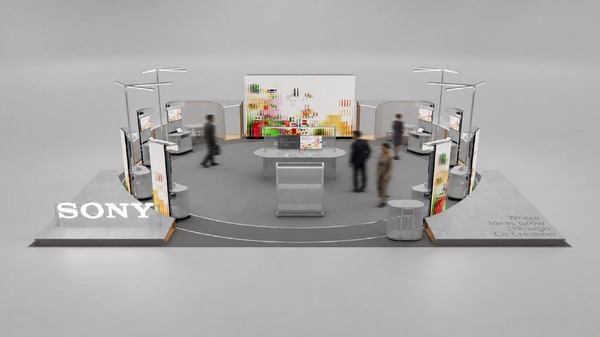
Sony will exhibit at CEATEC 2026, held October 13–16 at Makuhari Messe in Chiba, under the theme "Where Ideas…
PlusAI filed registration documents with the SEC for its proposed merger with Texas Ventures Acquisition III C…