What happened
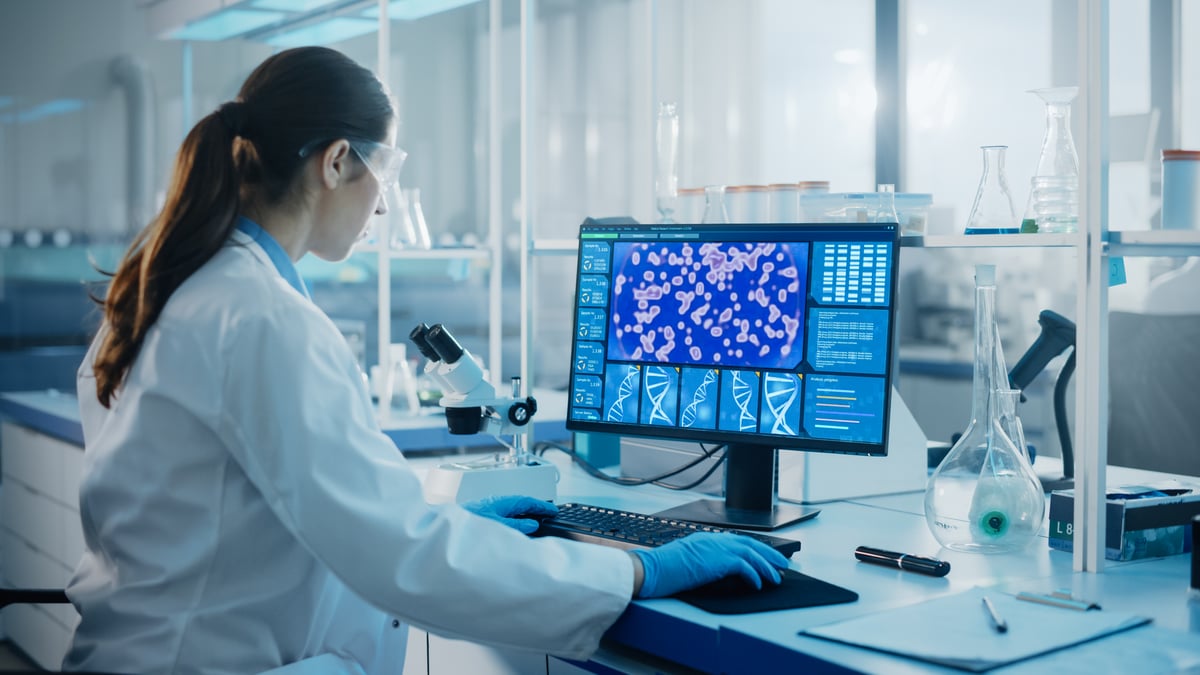
Eli Lilly and Twist Bioscience are using AI in drug development in different ways. Lilly partners with OpenAI on drug discovery and has built an AI co-innovation lab with Nvidia to find molecules faster; Twist makes synthetic DNA that drugmakers test, and is now integrated into Amazon's new Bio Discovery platform for AI-driven drug design.
Why it matters
The first wave of AI rewarded companies that sold the tools. The next wave appears to reward companies that apply those tools in clinics, labs, and pharmacies to produce new medicines. Both firms show how AI adoption is moving into real-world use rather than staying at the software level.
What to watch
Eli Lilly's recently approved weight-loss pill Foundayo is a near-term growth driver because a pill format (replacing injections) could reach a much larger patient population. Twist reported revenue rising 19% to $110.7 million(約180億円) in fiscal Q2 2026 and has posted 13 straight quarters of rising revenue, though it currently operates at a net loss.
Summaries like this, in your inbox every morning.
Pick your industry and the AI tools you use, and get news related to your work every day.
Free · 30 seconds with Google · unsubscribe anytimeWhat is AIToday? →
Ask AI anything about this article. The AI reads this article, earlier AIToday articles, and Wikipedia, and cites its sources. Q&As are published on this page for other readers too.
OpenAI introduced the Rosalind Academic Plan, giving eligible academic labs at U.S
Santen Pharmaceutical's R&D division reached a 93% weekly usage rate for generative AI, applying it to study p…
Snowflake published a post on agentic AI across oncology's five stages, citing AstraZeneca cutting data produc…
A solo developer built Yurune, a web app that plays synthesized rain, wave and forest sounds and lets users ta…

Pharmaceutical Executive will host a November 4, 2026 webcast introducing the RAIL Score, a framework for eval…

Reuters reports that the pharma sector is doubling down on AI as a way to cut costs and timelines