What happened
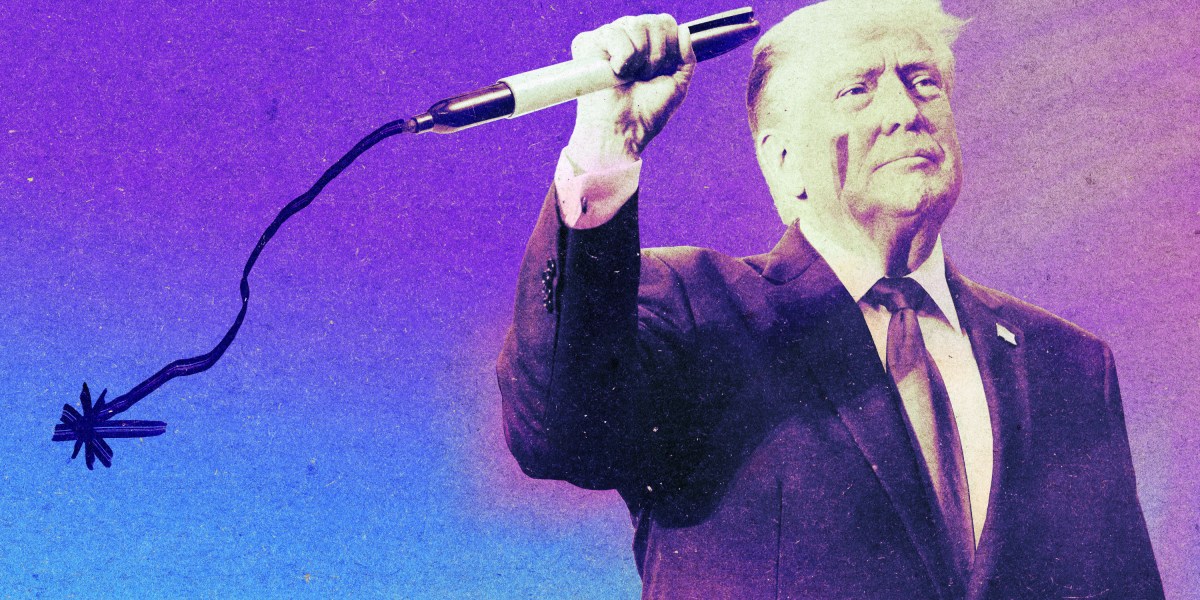
Trump's executive order renamed federal AI as "Super Intelligence," and a month in, usage is uneven: ICE seeks "SI-powered" surveillance, but the Pentagon's Project Meridian used the old term and HHS releases show no new language.
Why it matters
The uneven uptake inside the government suggests the term is not yet uniform even in official documents, while the order requires agency leaders to draft a new legislative definition of "Super Intelligence" for the president by the end of this month.
Summaries like this, every morning.
The rebrand follows a pattern in other Trump naming changes, and the administration has signaled it wants the vocabulary to spread beyond government. On October 27, Trump criticized the Wall Street Journal for not using "Super Intelligence," calling it "the name which virtually everyone else is using, or soon will be," and suggested a new rule would soon go further than the executive order to outright ban "artificial intelligence" from government documents. Yet even Newsmax, an outlet whose founder described it as "supportive of the President and his policies," is not using the president's preferred term.
The same day Trump signed the rebranding order, he released a nonbinding statement on AI safety, the White House Accord on Super Intelligence, signed by Sundar Pichai of Google, Dario Amodei of Anthropic, Mark Zuckerberg of Meta, Greg Brockman of OpenAI, Elon Musk of xAI, and Jensen Huang of Nvidia. But the term has not caught on among that group either, and Microsoft's recent letter to shareholders referred to the "Super Intelligence era" while its executives used "AI" on earnings calls. Inside government, the transition has produced its own friction: the National Institutes of Health now carries a banner warning visitors they might see both terms during the transition period, and the executive order itself says it does not apply to previously issued regulations or documents, so "AI" is likely to persist in the names of offices and programs.
The concern is less about time and taxpayer dollars than about what a terminology loyalty test could do to a national conversation that is only just beginning. It notes that people may have wildly different feelings about AI, but those differences don't yet map neatly onto partisan divisions — and that if "Super Intelligence" becomes a loyalty test, that may change.
Pick your industry and the AI tools you use, and get news related to your work every day.
Free · 30 seconds with Google · unsubscribe anytimeWhat is AIToday? →
Ask AI anything about this article. The AI reads this article, earlier AIToday articles, and Wikipedia, and cites its sources. Q&As are published on this page for other readers too.
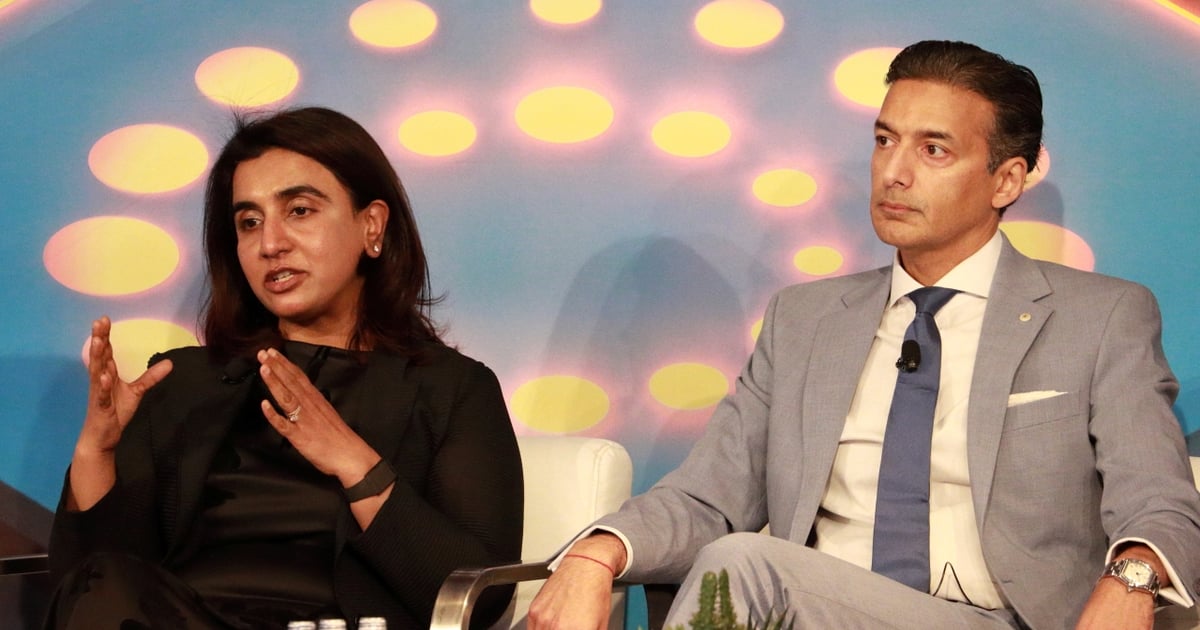
Charles Schwab chief strategy and innovation officer Nikhil Sudan said the firm tests new AI in a controlled e…
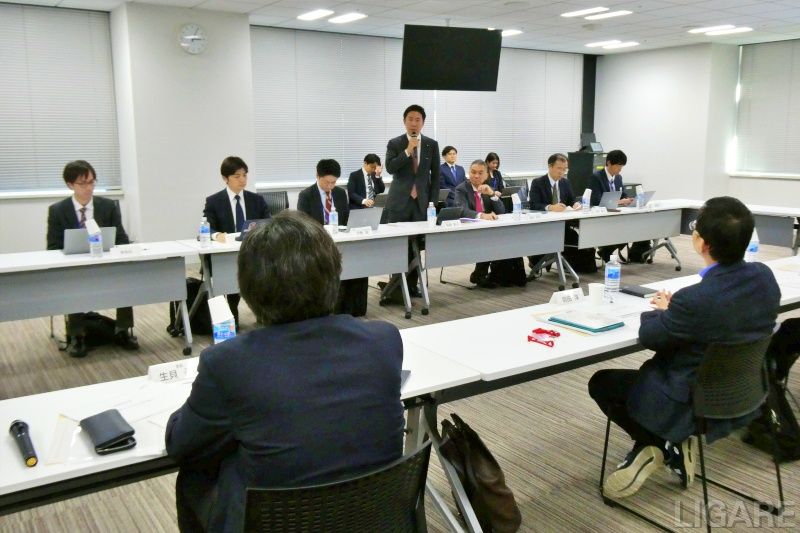
At the Cabinet Office's seventh AI Strategy Expert Panel meeting on October 26, academics and experts discusse…
Taiwan's Administration for Digital Industries, under the Ministry of Digital Affairs, is developing an energy…

The FCC voted November 19 to adopt rules covering the 450 MHz band for aviation communications, the 24 GHz ban…

Trump said at a Friday press conference after his summit with Xi Jinping and Vladimir Putin that companies bui…
The PRA, FCA and Bank of England published joint effective practices on AI cyber risk on 19 November 2026, nam…


