What happened
TikTok's moderation AI in 2026 evaluates behavioral signals such as Session Diversity, Hardware Telemetry and Account Genesis to separate real accounts from automated scripts, flagging bot-driven follower surges almost immediately.
Why it matters
For hobbyists and amateur creators buying follower growth, the safety of that boost rests entirely on whether the incoming accounts show authentic human signatures rather than bot-farm patterns.
Summaries like this, every morning.
The piece frames bot detection as a data-authenticity problem rather than a simple counting exercise. Automated farms operate from centralized servers sharing IP blocks and device identifiers, firing commands in synchronized batches that produce sharp spikes in server requests. Real users, by contrast, arrive through varied mobile networks, distinct residential providers and different phone models, with engagement interrupted by real-world distractions. That asymmetry is what the moderation models are built to read.
Bot traffic and paid audience growth are separated by a line that runs through real people. Services that source followers through ad-based channels or community networks are described as passing algorithmic audits because the underlying sessions look organic — standard session lengths, varied content consumption, localized data pings. Any drift toward automated patterns, by contrast, is said to risk immediate algorithmic penalties.
For the individual user, the guidance is that external follower growth cannot stand alone. A personal profile is expected to show its own regular activity and a gradual rise in video views after new followers arrive, since real people eventually interact with content while scripts go dormant after the follow. This is positioned as the practical condition for keeping a hobby account free of restrictions.
Pick your industry and the AI tools you use, and get news related to your work every day.
Free · 30 seconds with Google · unsubscribe anytimeWhat is AIToday? →
Ask AI anything about this article. The AI reads this article, earlier AIToday articles, and Wikipedia, and cites its sources. Q&As are published on this page for other readers too.
The Nov 19 arXiv paper found ICLR critique overlap rose from 12.0% in 2026 to 21.3% in 2027, with LLM-flagged…

Researchers at the Technion, University of Haifa, and Google Research released AltRA-Test, which checks whethe…
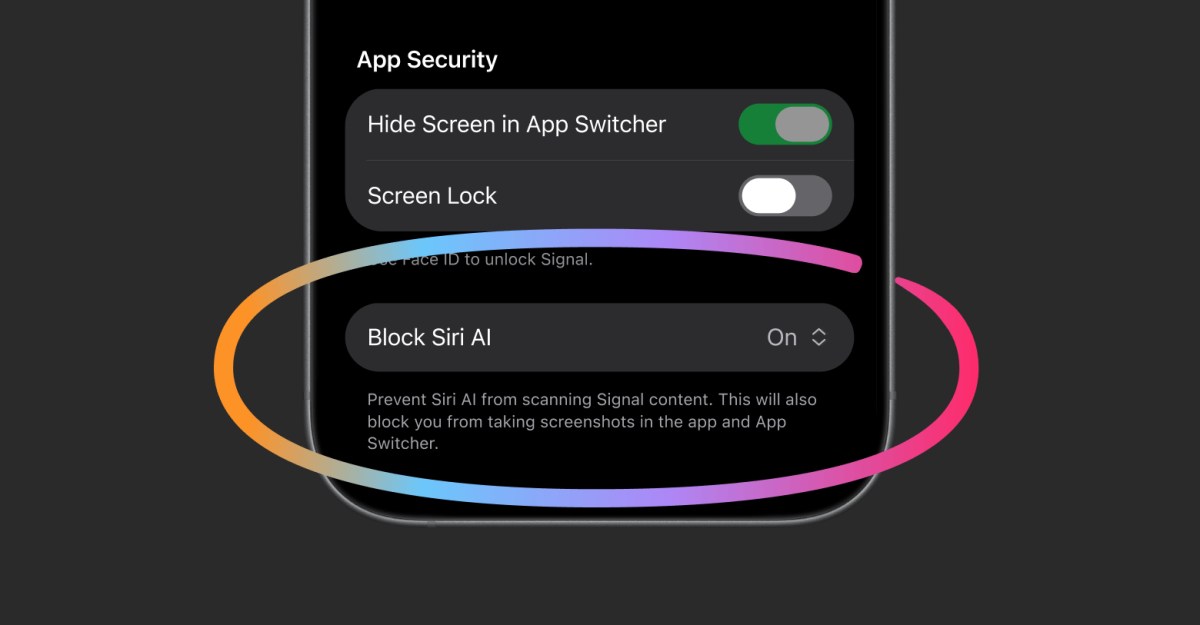
Signal is restricting screenshots on iOS 27 and Android to prevent Siri, Gemini, and other AI assistants from…
A Zenn article walks through supply chain attacks — attacks launched from inside a system rather than from out…

The script reads Claude Desktop's window via the macOS accessibility API, trims each reply, re-reads the scree…

The operator describes a three-layer setup — humans set purpose, authority and risk boundaries; agents generat…