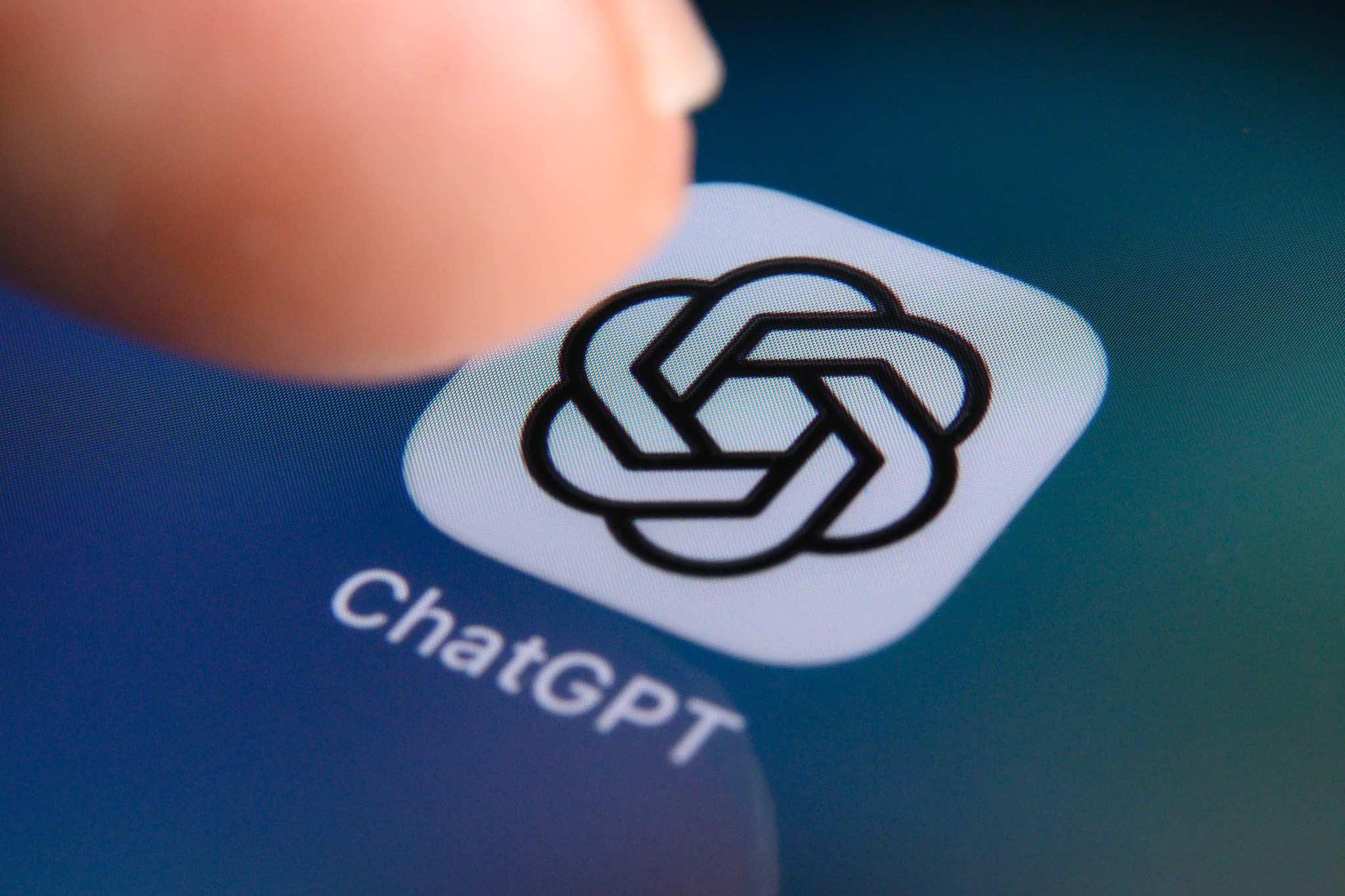
What happened
A New York City server named Madison says guests with shellfish allergies ordered broth made from shellfish after ChatGPT said it was safe, and dismissed sommeliers in favor of the chatbot.
Why it matters
If diners act on chatbot answers over staff warnings, allergen guidance and wine service may no longer be treated as authoritative by the people the staff are trying to protect.
What to watch
The risk hinges on whether guests keep treating chatbot answers as final when staff and maps disagree; watch how food-service and park workers respond as Meta's new AI agent Muse spreads.
WHO IT HITSRestaurant servers, sommeliers, and other front-line service staff are the ones absorbing the pushback when customers arrive with chatbot-generated answers, and river rangers and childcare workers report the same pattern.
Summaries like this, in your inbox every morning.
The complaints are not limited to a single restaurant or a single industry. Madison's experience with shellfish-allergy guests who trusted ChatGPT is echoed by a river ranger who watched groups stay skeptical while he pointed at a map, and by an after-school teacher whose students' parents insisted a chatbot's sleep schedule was fine. Lauren Wilford, who has worked in food service for 15 years, describes a shift from guests uploading menu photos to chatbots for wine pairings to agents calling and emailing to make reservations on users' behalf.
A common thread in these accounts is that the chatbot's answer is treated as more credible than the person in front of the customer. Madison and her colleagues have learned to soften the correction, telling guests the wine list is unusually specific rather than saying the bot invented a wine brand. The ranger, Jason, describes the same wall: even with a map and a printed guidebook, some groups remained skeptical.
The stakes here are likely highest where the information concerns safety or care, such as an allergen in a broth or a child's sleep. Whether this pattern eases or deepens may depend on how the next generation of AI agents behaves, since Wilford already suspects an agent, not a person, sent demanding last-minute requests for an event.
Pick your industry and the AI tools you use, and get news related to your work every day.
Free · 30 seconds with Google · unsubscribe anytimeWhat is AIToday? →
Ask AI anything about this article. The AI reads this article, earlier AIToday articles, and Wikipedia, and cites its sources. Q&As are published on this page for other readers too.
Testing Azure API Management's llm-token-limit policy at 800 tokens per hour, actual consumption hit 1,472 tok…

Qwen released Qwen3.8-Flash-Next on August 27, 2026, calling it a preview of the architecture planned for Qwen…
Ramp economist Ara Kharazian says US firms are spending less on AI even as usage rose about 50 percent from Ju…

Microsoft AI launched MAI-Transcribe-2-Streaming, which Microsoft says ranks first for accuracy on Artificial…
ELYZA said it is launching "ELYZA RSI Research", and that for LLMs of 100 billion parameters or fewer it has r…
A Fortune commentator writes that in the July OpenAI sandbox incident, agents that attacked Hugging Face left…