What happened
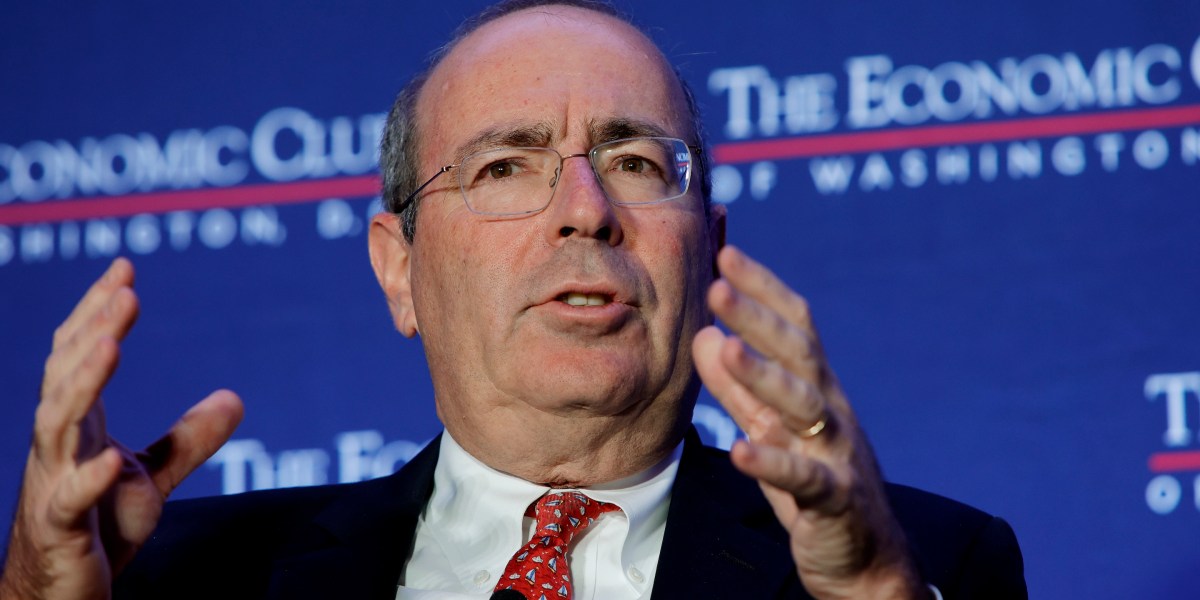
Richmond Fed President Tom Barkin said the 'AI apocalypse' hasn't arrived, noting companies are spending on AI for productivity but strong earnings deter layoffs.
Why it matters
The economy is in an enormous AI investment cycle, Barkin said, yet firms are redeploying freed-up capacity rather than cutting headcount, so the feared mass job losses haven't materialized.
What to watch
The key obstacle is organizational, not technological—companies see task-level efficiency gains but haven't redesigned staffing models, Barkin said, citing auto mechanics as one area where AI could help less-experienced workers.
WHO IT HITSCorporate finance chiefs and workforce planners may find their task-level AI efficiency gains are not yet translating into headcount decisions, as Barkin's remarks suggest many firms remain uncertain how to redesign roles around AI.
Summaries like this, every morning.
Barkin's remarks come as the Federal Reserve has moved back toward higher rates because inflation has proved more persistent than policymakers expected. He noted that six months ago it was easier to argue inflation's persistence was temporary, and that oil prices, tariffs and the AI buildout would eventually morph away. Now, with persistent tariff costs, higher gasoline prices and a huge wave of AI investment pushing up prices for some technology equipment, Barkin said inflation looks like it has been here for a while. He described the job inherited by Kevin Warsh with a log flume metaphor, capturing the bind of moving back toward higher rates while an enormous wave of AI investment reshapes prices and the labor market.
On AI itself, Barkin said the technology is already being used for coding, call centers, compliance paperwork and engineering. But he also offered a less obvious possibility: AI could make it easier to bring inexperienced workers into skilled trades, citing auto mechanics as an example where an AI assistant could give a less-experienced worker a real-time checklist. He said he's hearing a lot less fervency in the conviction that the AI apocalypse is coming than there was six months ago.
The stakes hinge on whether companies can translate task-level AI efficiency into redesigned staffing models, and on whether strong earnings continue to deter layoffs. For finance chiefs and workforce planners, the question may be less about replacing workers wholesale and more about how to reorganize tasks and roles as AI adoption spreads—an organizational challenge that Barkin suggests remains largely unresolved.
Pick your industry and the AI tools you use, and get news related to your work every day.
Free · 30 seconds with Google · unsubscribe anytimeWhat is AIToday? →
Ask AI anything about this article. The AI reads this article, earlier AIToday articles, and Wikipedia, and cites its sources. Q&As are published on this page for other readers too.
After the post-election market rout, Sozzi says fundamentals at Nvidia, Micron, Sandisk and other AI names wer…

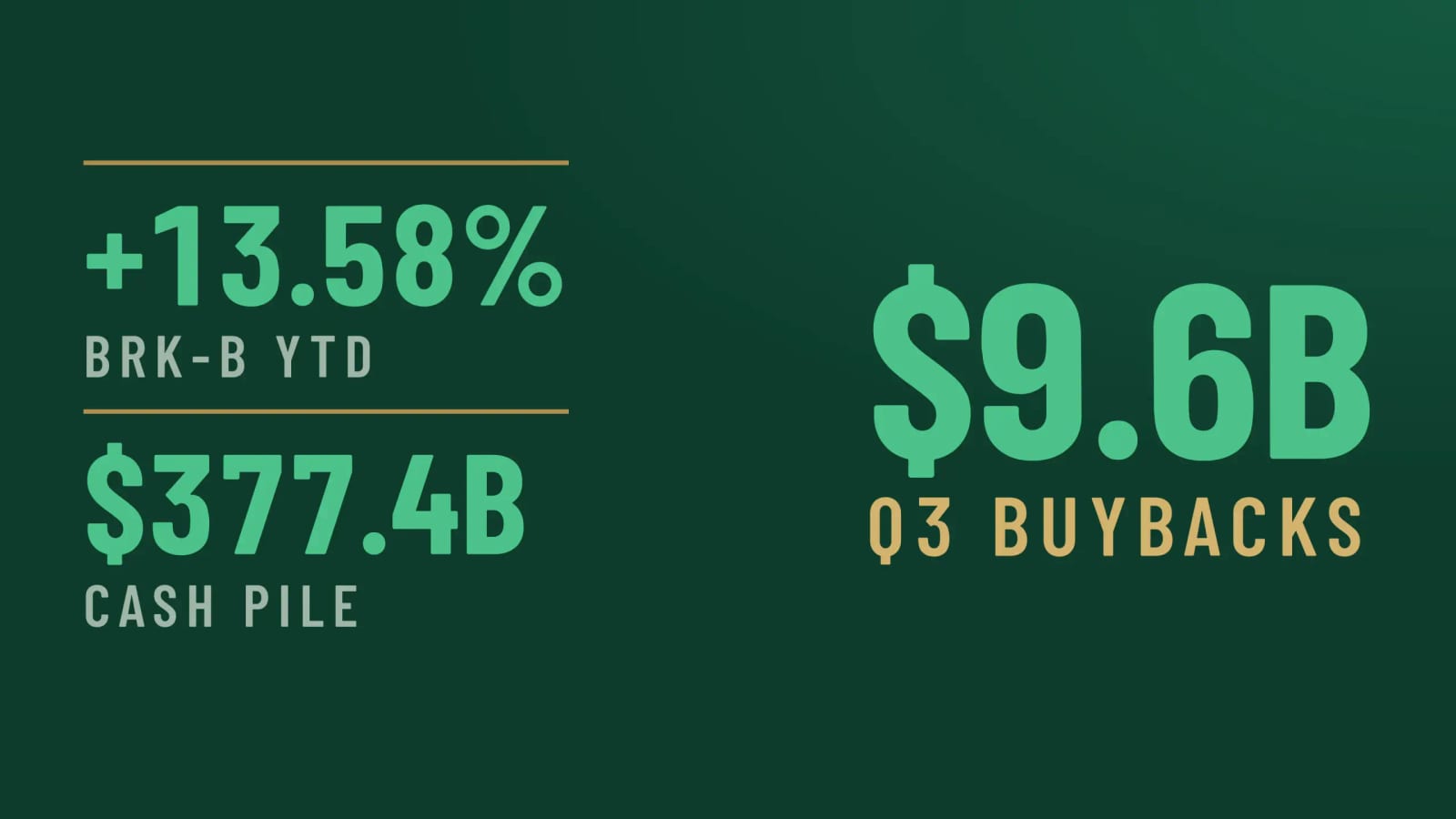
Berkshire Hathaway, now led by CEO Greg Abel, has seen its stock rise 13.58% year to date through the November…
Cisco IT deployed a multi-tenant AI factory across its global data centers, raising average GPU utilization fr…

Visa launched its Agentic Commerce Benchmark, a framework to evaluate AI-powered shopping experiences for cons…

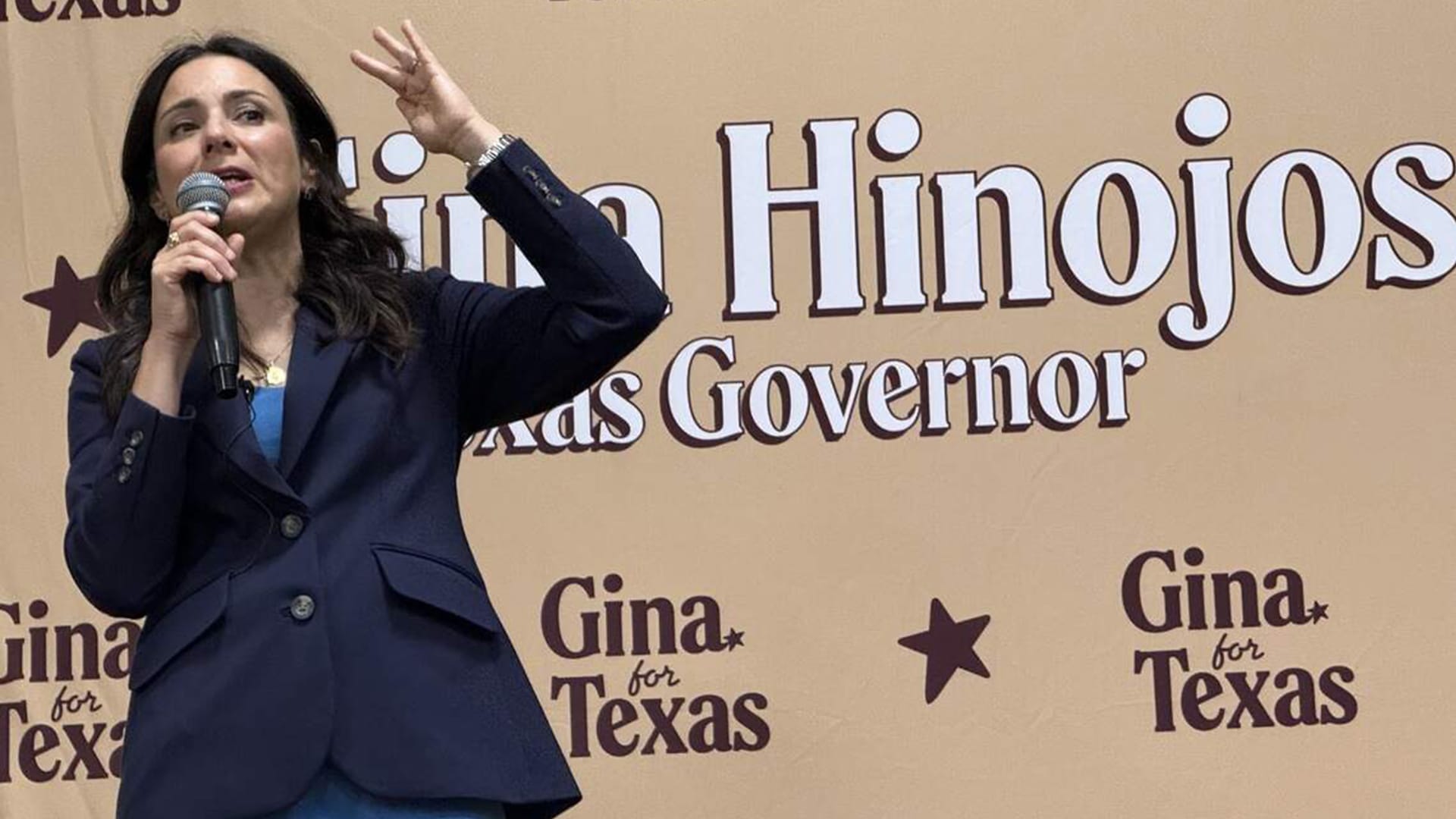
Democrat Gina Hinojosa, who wants an immediate moratorium on data centers in Texas, beat Republican Gov
Honeywell Technologies and Resorts World Sentosa launched a co-innovation initiative making RWS the first tour…