AIToday

AI will reshape how people consume news, says filter bubble pioneer

Semafor Tech2h ago
AI will reshape how people consume news, says filter bubble pioneer

Key takeaway

Eli Pariser, the researcher who popularized the concept of the "filter bubble"—the tendency of algorithms to show people content matching their existing beliefs—has released a new report on how artificial intelligence will reshape the way people consume news. In an interview, he discusses which media platforms are most vulnerable to AI disruption, how soon daily news habits will change, and whether centralizing attention through algorithmic feeds was ultimately a strategic mistake.

Summaries like this, in your inbox every morning.

Sign up free →

3 Key Points

  • What happened

    Eli Pariser, New_Public co-director and originator of the "filter bubble" concept, has published a report examining how AI will transform news consumption habits. He discussed the findings in an interview covering timelines, platform vulnerability, and the consequences of attention centralization.

  • Why it matters

    As AI systems begin to mediate how people access information, the shift could reshape morning routines and the media landscape itself. Pariser's filter bubble concept—the idea that algorithms show people content aligned with their existing views—becomes newly relevant if AI systems inherit or amplify this dynamic, potentially deepening information fragmentation.

  • What to watch

    The report signals which platforms face the greatest disruption from AI-driven news consumption and whether the industry's past bet on centralizing user attention through algorithmic feeds was ultimately counterproductive. How quickly this transformation occurs remains an open question, but Pariser suggests the shift is imminent enough to warrant immediate attention.

In Depth

Eli Pariser, co-director of New_Public, has long been associated with analyzing how technology shapes the way people encounter information. In 2011, he coined the term "filter bubble" to describe how algorithmic systems show each user content tailored to their existing preferences and beliefs, potentially limiting exposure to diverse viewpoints. Now, with artificial intelligence beginning to play an increasingly central role in how people access and consume news, Pariser has released a new report that examines the implications of this shift.

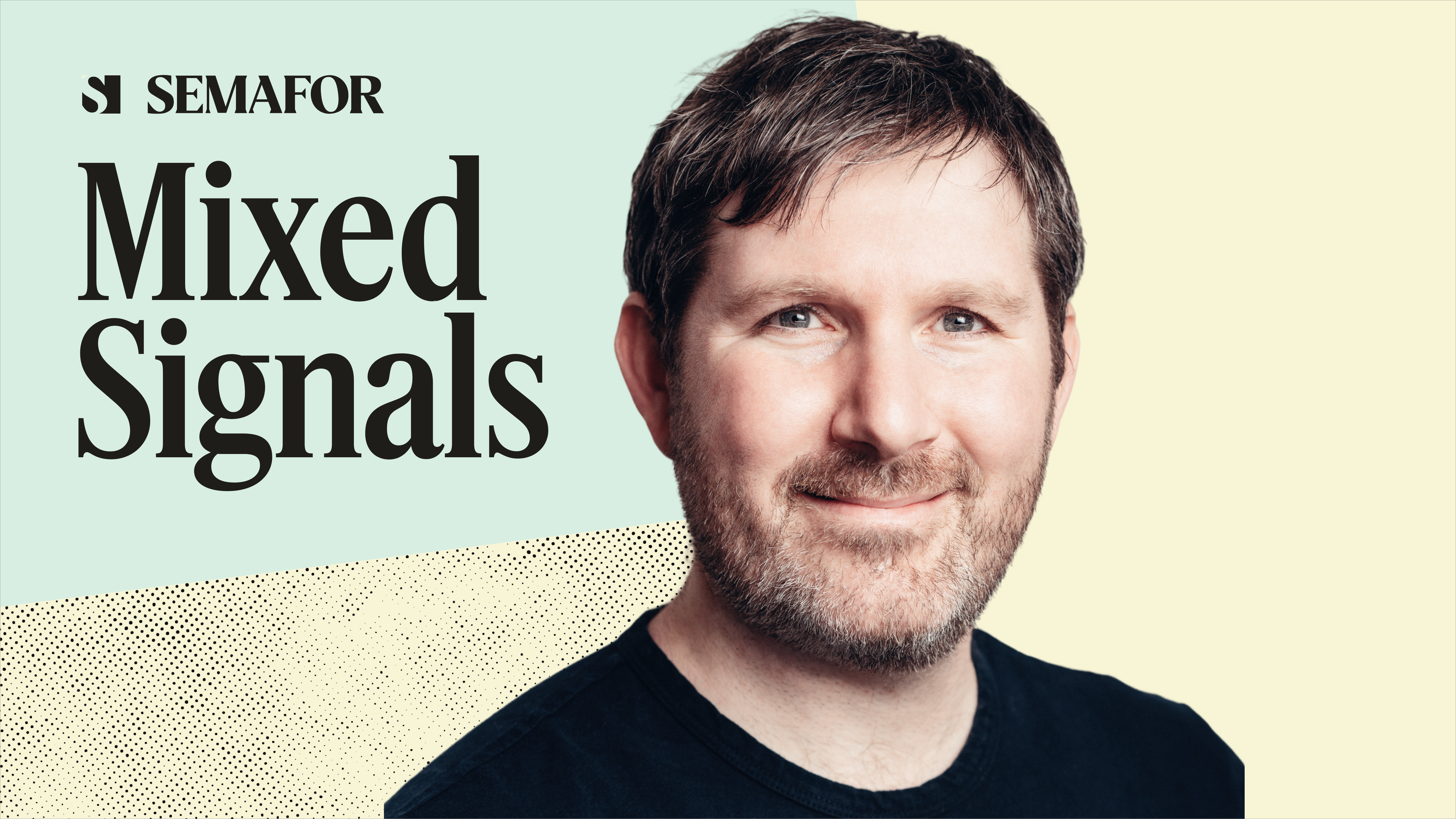
In an interview for the Mixed Signals program, Pariser walks through his findings on what news consumption will look like when AI takes over the role currently played by algorithmic feeds and human editors. The conversation covers three main lines of inquiry: how soon the shift will occur (and when people's morning routines might change), which media platforms and business models are most exposed to disruption from AI systems, and a broader question about whether the industry's decision to centralize everyone's attention through algorithmic feeds was ultimately a strategic mistake. These questions point to fundamental uncertainties about whether AI will deepen existing fragmentation or disrupt the dominance of centralized platforms altogether. Pariser's analysis, grounded in his decade of work on how digital systems shape information access, offers a framework for understanding these stakes as the technology rollout accelerates.

Context & Analysis

Eli Pariser's entry into the AI-news-consumption conversation carries particular weight because he helped define how the digital media landscape operates. His "filter bubble" concept, introduced years ago, warned that algorithmic feeds showing users content aligned with their pre-existing views could fragment public discourse. Now, as AI systems begin to mediate information access at a new scale—potentially summarizing, curating, or personalizing news even more aggressively than current platforms—Pariser's framework becomes directly applicable again. The report he has published tests whether AI will deepen filter bubbles or disrupt the centralized attention model that platforms have relied on.

The framing of the interview itself—asking whether "centralizing everyone's attention was actually a mistake"—suggests Pariser's analysis may question the foundational design choices of the past decade's dominant platforms. If AI systems inherit the algorithmic logic that powers today's feeds, the consequences could compound. Alternatively, if AI disrupts the gatekeeping role of centralized platforms, it might fragment the information landscape further or create new bottlenecks elsewhere. The timing of this report reflects the urgency many observers feel: the shift to AI-mediated news consumption is not a distant hypothetical but something close enough that people's daily routines may change soon.

FAQ

Who is Eli Pariser and why is his opinion on this topic significant?
Eli Pariser is co-director of New_Public and the originator of the "filter bubble" concept, which describes how algorithms show people content aligned with their existing views. His historical work on how technology shapes information consumption gives him credibility in analyzing AI's impact on news.
What is the main focus of Pariser's new report?
The report examines what news consumption will look like when AI takes over, analyzing timelines for change, which platforms face the most disruption, and the consequences of having centralized everyone's attention through algorithmic feeds.

Get AI news like this every morning

AI-summarized, only the topics you pick — one digest a day via Email, Slack, or Discord.

Free · takes 30 seconds · unsubscribe anytime

Discussion

No discussion yet for this article

Stay ahead with AI news

Get curated AI news from 200+ sources delivered daily to your inbox. Free to use.

Get Started Free

Free · takes 30 seconds · unsubscribe anytime

1 minute a day. The AI essentials.

200+ sources · Email / LINE / Slack

Get it free →