
What happened
Anthropic agreed to pay book authors $1.5 billion(約2400億円) to settle a copyright lawsuit over downloading roughly 482,460 works from piracy databases LibGen and PiLiMi between 2021 and 2022. A federal court in San Francisco approved the settlement, with authors claiming about $3,000 each—four times the statutory minimum. Anthropic must destroy the pirated files.
Why it matters
The settlement is the largest copyright settlement in class action history, but it covers the piracy itself, not AI training. Judge Alsup previously ruled that training AI on legally obtained books is "transformative—spectacularly so" and falls under fair use. This distinction means AI labs that trained on web-scraped content without website owners' consent may face reduced legal exposure, since the core question of whether that scraping was lawful remains unsettled.
What to watch
Authors retain claims over AI outputs that reproduce their original works and over Anthropic's future conduct. The fair use debate over mass scraping of internet content without consent is likely far from over, so the legal landscape for AI training data remains in flux.
Summaries like this, in your inbox every morning.
The settlement represents a watershed moment framed very differently depending on where you stand. For authors and publishers, it is vindication: $1.5 billion(約2400億円) is the largest copyright settlement in class action history, and the per-work payout of roughly $3,000 is four times the statutory minimum, signaling judicial seriousness about author harm. For Anthropic and other AI labs, however, the ruling contains a protective aperture. Judge Alsup's prior determination that AI training on legally obtained books is "transformative—spectacularly so" and constitutes fair use creates a legal scaffold that insulates many training practices. The settlement itself does not target training; it targets piracy—the act of downloading unlicensed works. This distinction is material. If training on lawful data is fair use, then the bottleneck for AI labs shifts from the training step itself to the question of whether their data acquisition was lawful. That question, the article makes clear, remains open. Most AI labs have sourced training data by scraping the web and internet archives without owner consent. The ruling does not resolve whether that scraping is legal; it only clarifies that once the data is lawfully in hand, using it for AI training is likely permissible. The fair use debate is "likely far from over," the article notes, suggesting that litigation over the legality of the scraping itself could emerge separately and test the boundaries further.
For example, today's edition would include:
AI-summarized, only the topics you pick — one digest a day via Email, Slack, or Discord.
Free · 30 seconds with Google · unsubscribe anytimeWhat is AIToday? →
Ask AI anything about this article. Q&As are published on this page for other readers too.
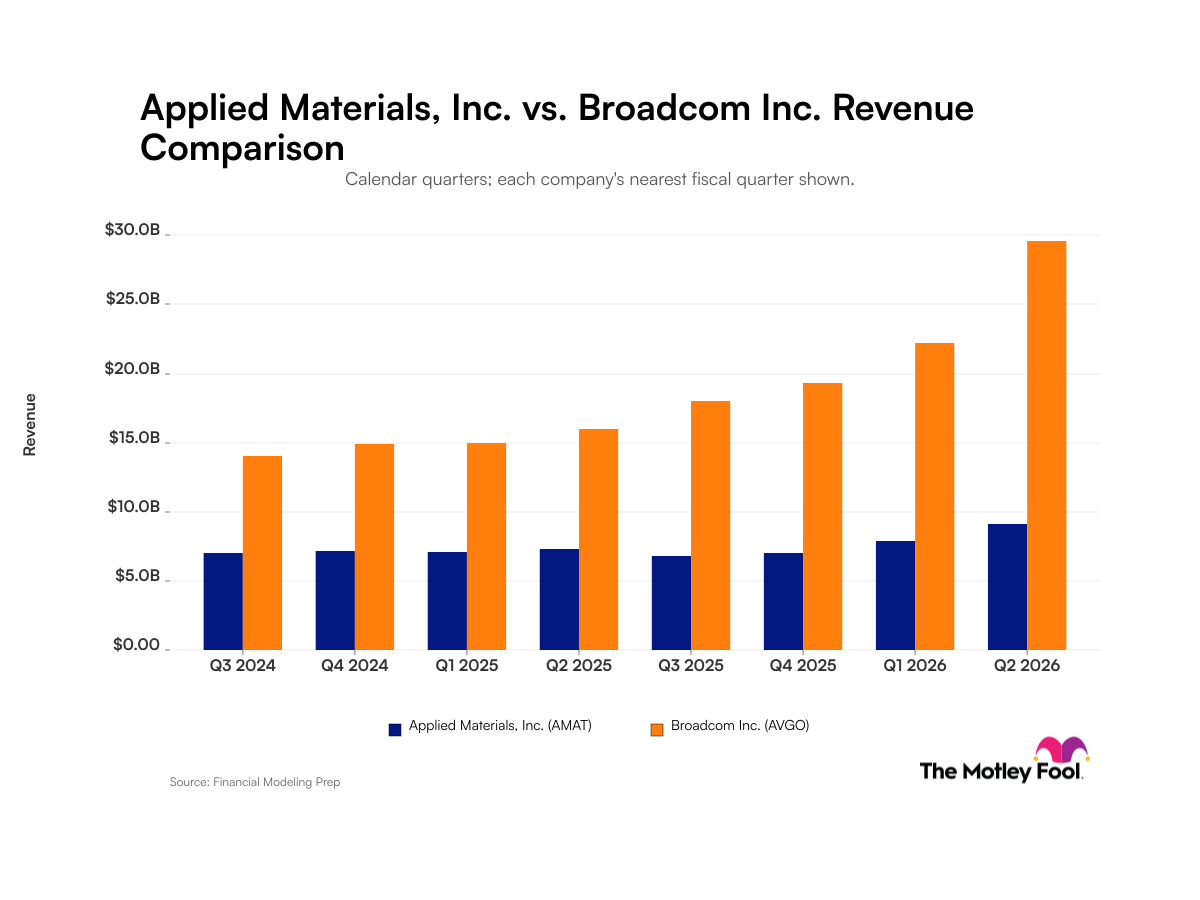
Broadcom reported record quarterly revenue of $29.6 billion for its fiscal Q3 ended Aug
A Yahoo Finance article says news that Google's Gemini can autonomously hack real companies moves cyber insura…

OpenAI introduced the Australian Youth Safety Blueprint, a six-pillar roadmap covering AI literacy, age-approp…

At Tokyo Game Show 2026, HEROZ pitched AI adoption support to mid-size and small game firms, while Zeal showed…

A contributor compared Aehr Test Systems and Super Micro Computer and picked Super Micro, whose FY 2026 revenu…
Supply chain players say most AI data center cost models in China and the West count only electricity consumpt…