What happened
Microsoft derived $24.1 billion in AI revenue during the fiscal year ending in June, with roughly 70 percent of that total coming from OpenAI, according to a Bloomberg report citing new disclosures. CEO Satya Nadella said in late March the AI business was on track to top $37 billion annually.
Why it matters
Microsoft's heavy reliance on OpenAI explains a strategic shift: the company has begun promoting open-weight (publicly available) AI models and cautioning against a small number of proprietary models dominating entire industries — a contrast to its historical vendor lock-in practices. The dependency also shapes Microsoft's public criticism of AI labs like OpenAI and Anthropic for opposing 'distillation,' the practice of training models on proprietary model outputs to build competitors with less effort.
What to watch
Microsoft is steadily replacing its AI models across Office products, a move that could reduce its OpenAI dependence over time. Under their agreement, OpenAI pays Microsoft for computing power, model development costs, and a revenue share.
Summaries like this, in your inbox every morning.
Microsoft's financial disclosures reveal a company in a delicate strategic position. The $24.1 billion OpenAI-derived revenue represents a substantial portion of Microsoft's AI ambitions, yet this concentration has prompted a notable shift in public positioning. The company's recent championing of open-weight models and warnings against proprietary AI monopolization stand in tension with its historical business model of vendor lock-in — a rhetorical repositioning that makes sense given the risk that OpenAI's decisions could significantly impact Microsoft's financial performance.
The company's criticism of model distillation (using proprietary model outputs to train competitors) and its caution about a small number of labs capturing industry value appear designed to build the case for regulatory or market-based constraints that would protect Microsoft's investment. Simultaneously, Microsoft's steady replacement of AI models across Office products suggests a practical effort to reduce dependence on OpenAI and capture more of the value chain directly. These moves are not contradictory but rather complementary strategies: public advocacy for an open, competitive landscape paired with private investments in proprietary alternatives.
For example, today's edition would include:
AI-summarized, only the topics you pick: one digest a day via Email, LINE, or Slack.
Free · 30 seconds with Google · unsubscribe anytimeWhat is AIToday? →
Ask AI anything about this article. The AI reads this article, earlier AIToday articles, and Wikipedia, and cites its sources. Q&As are published on this page for other readers too.
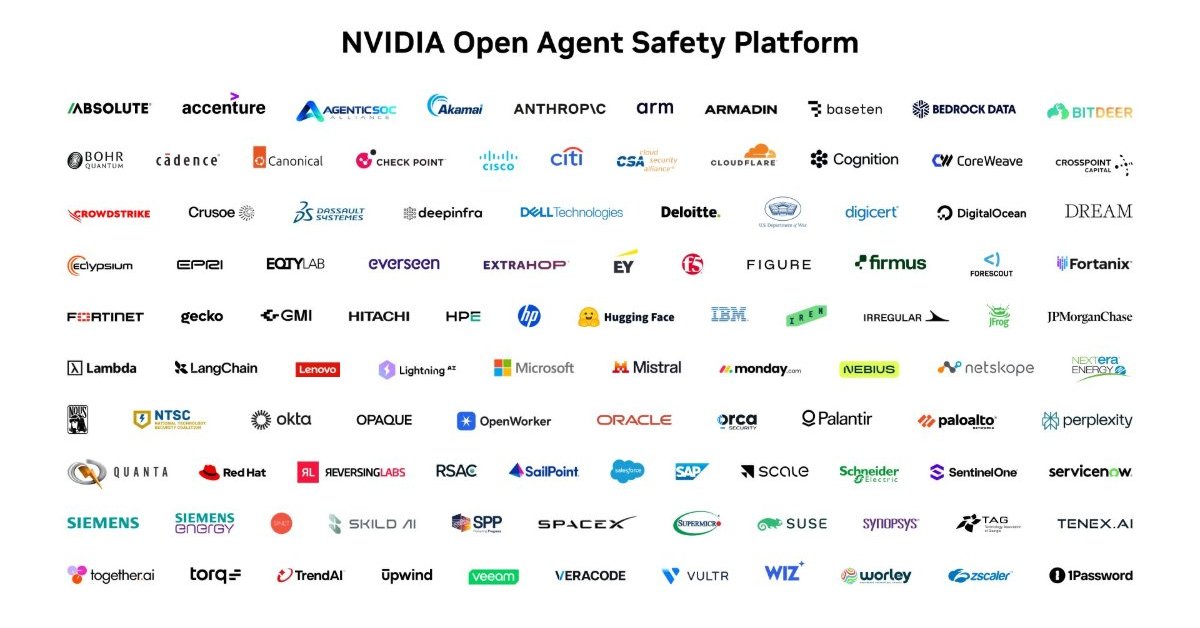
On September 28, Nvidia announced the NVIDIA Open Agent Safety Platform, built from the open-source OpenShell…
Anthropic released Claude Sonnet 5.5 on September 28, the second model in its Claude 5.5 family, calling it fa…

Nvidia launched a platform Monday that it says can monitor AI agents and quarantine suspicious ones, following…
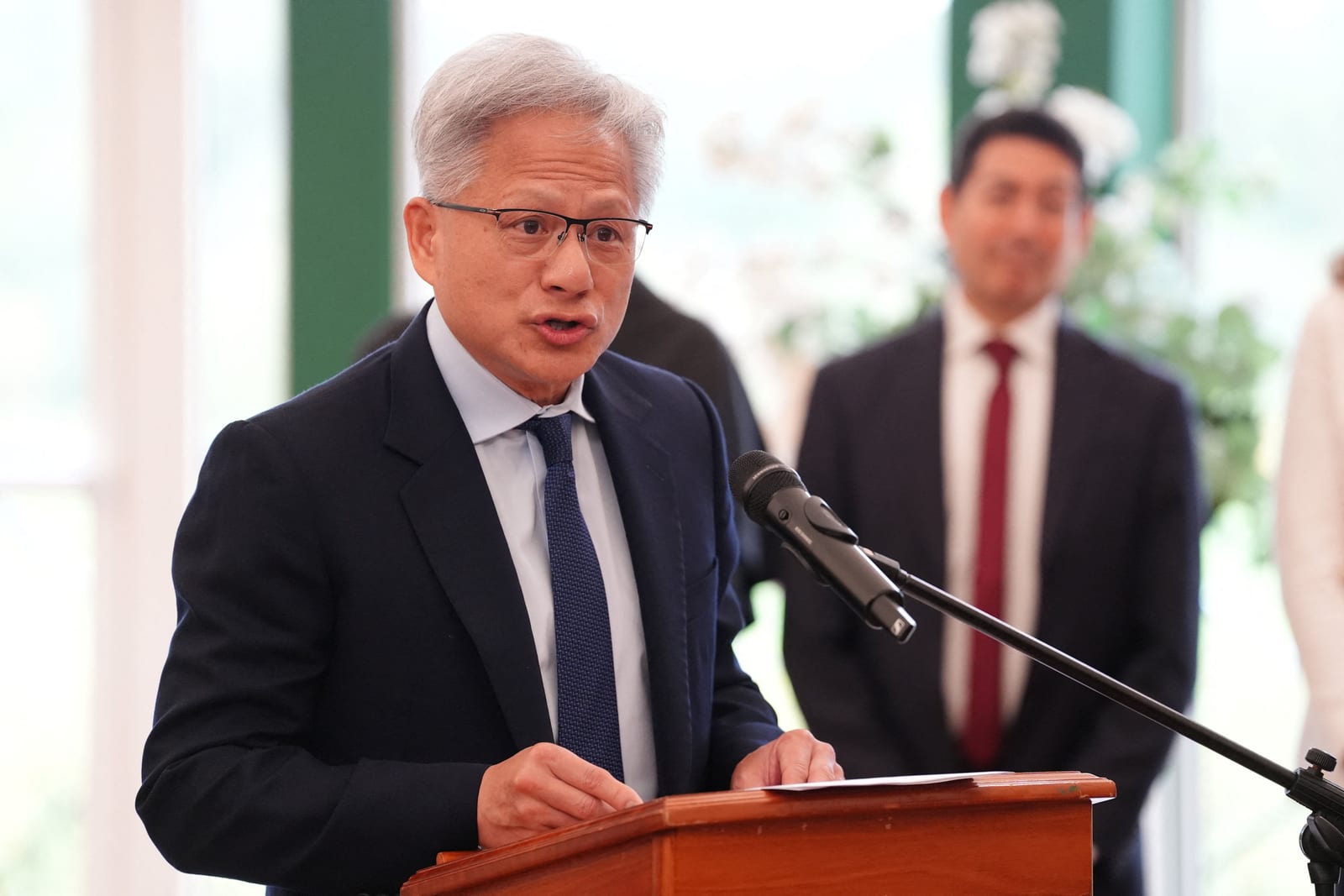
Nvidia announced a record $150 billion stock buyback, and CEO Jensen Huang said its cash generation gives it t…
AMD is acquiring World Labs, the two-year-old physical AI startup cofounded by Fei-Fei Li, in an $8.2 billion…

Florida filed a motion seeking a court injunction to halt OpenAI's development, warning that an AI agent could…