What happened
Anthropic released Claude Sonnet 5.5 on September 28, the second model in its Claude 5.5 family, calling it faster and cheaper than Sonnet 5 and offering it same-day across all Claude plans and APIs.
Why it matters
Anthropic says the model is meant for everyday, well-scoped work such as bug fixes, documents, slides and spreadsheets, so routine tasks may cost less and run faster at unchanged API prices.
What to watch
Terminal-Bench 4.0 rose from 10.3% to 70.6%, but Anthropic says benchmarks show only one side of a model; on complex, open-ended work it says Opus 5.5 remains clearly better. A lower-cost Claude Haiku 5.5 is planned within weeks.
WHO IT HITSTeams that run large volumes of routine coding, document, slide and spreadsheet work on Claude APIs or cloud platforms such as AWS, Google Cloud and Microsoft Azure are the ones most likely to feel the lower cost per task.
Summaries like this, in your inbox every morning.
Anthropic is positioning Sonnet 5.5 as the fast, low-cost counterpart to Opus 5.5, which the company published on September 22 as the first model in the Claude 5.5 family. According to Anthropic, Opus 5.5 suits complex work that needs careful judgment, while Sonnet 5.5 targets well-scoped everyday tasks, bug fixes, polished documents, slides and spreadsheets, and it is said to have a good sense of design. A Claude Haiku 5.5 aimed at high-volume, cost-sensitive uses is also planned for release within the next few weeks.
The release keeps Sonnet's API price unchanged, but Anthropic says the model needs far fewer tokens for the same work, which is why its tests found cost per task up to 30% below Sonnet 5. It says Sonnet 5.5 is the fastest Sonnet yet. In coding, Terminal-Bench 4.0 rose from 10.3% for Sonnet 5 to 70.6%, above Opus 5.5, and on GDPval-AA the gap to Opus 5.5 narrowed to 2 points, about 400 points above Sonnet 5.
Anthropic also notes the limits of those results, saying benchmarks capture only one side of a model and that independent and internal testing still finds Opus 5.5 clearly better on complex, open-ended work. This matters for the trade-off buyers face: a cheaper fast model may fit well-defined tasks, but the choice may still hinge on how much judgment a given job needs. The same release carries first-time Sonnet safeguards close to its top-tier models, which Anthropic says can mean more refusals than Sonnet 5 on harmless cybersecurity work and accidental flags in some microbiology or virology requests. The reported dip in multi-turn safety scores for tracking and surveillance, violent extremism, and hate and discrimination is also worth watching as the model reaches general users.
For example, today's edition would include:
AI-summarized, only the topics you pick: one digest a day via Email, LINE, or Slack.
Free · 30 seconds with Google · unsubscribe anytimeWhat is AIToday? →
Ask AI anything about this article. The AI reads this article, earlier AIToday articles, and Wikipedia, and cites its sources. Q&As are published on this page for other readers too.
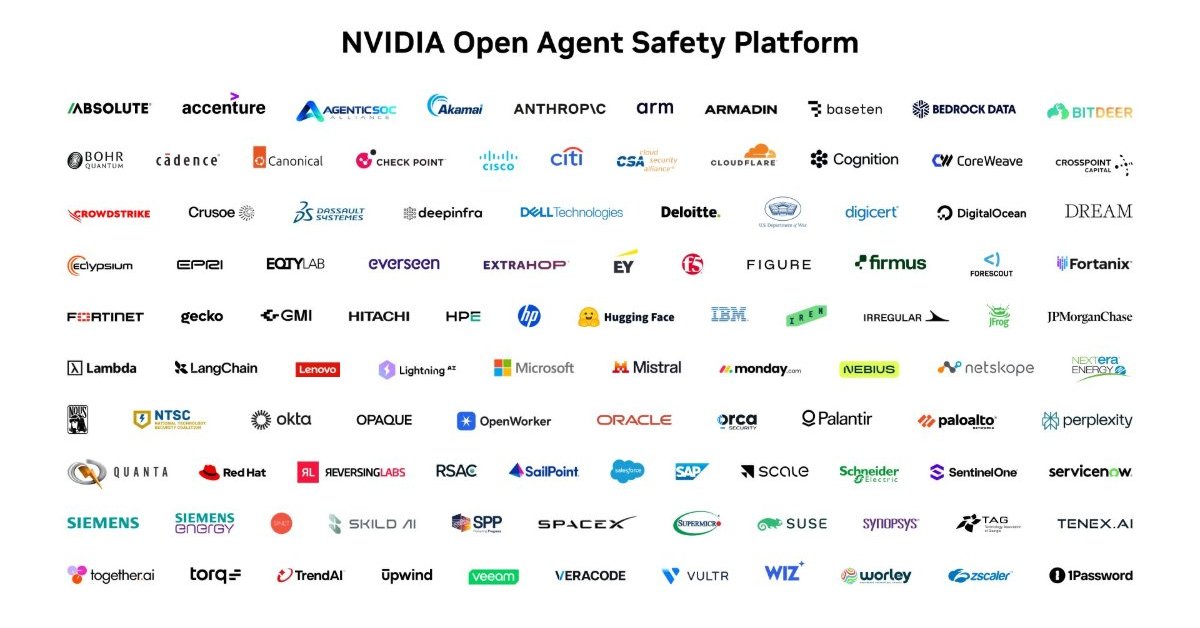
On September 28, Nvidia announced the NVIDIA Open Agent Safety Platform, built from the open-source OpenShell…
Dentsu Group embedded generative AI in its accounting approval process and says it reached 99% accuracy on the…

Nvidia launched a platform Monday that it says can monitor AI agents and quarantine suspicious ones, following…

Nvidia announced a record $150 billion stock buyback, and CEO Jensen Huang said its cash generation gives it t…
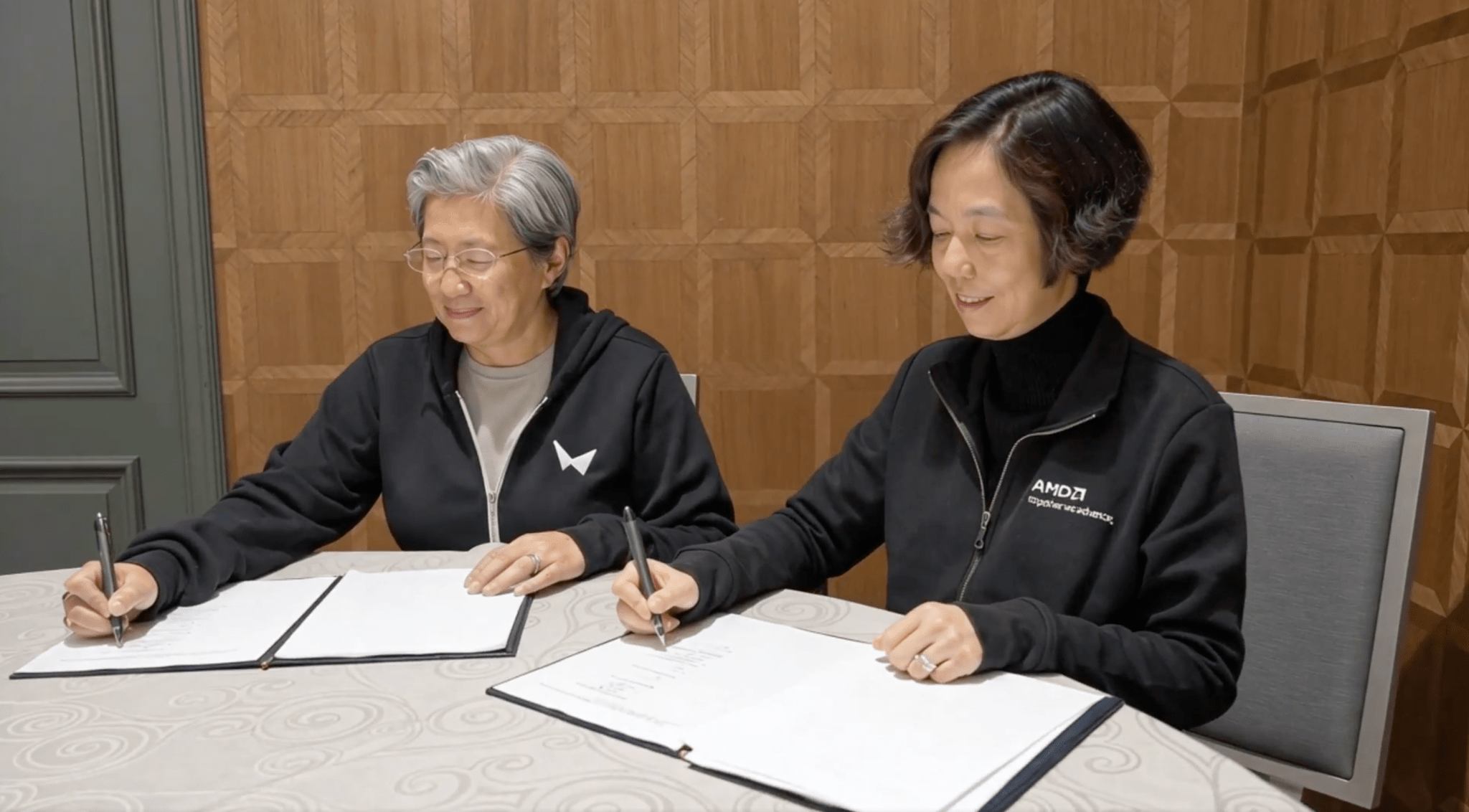
AMD is acquiring World Labs, the two-year-old physical AI startup cofounded by Fei-Fei Li, in an $8.2 billion…
A September 2026 guide organizes AI coding tools into three types — terminal/agent tools like Claude Code, AI-…


