What happened
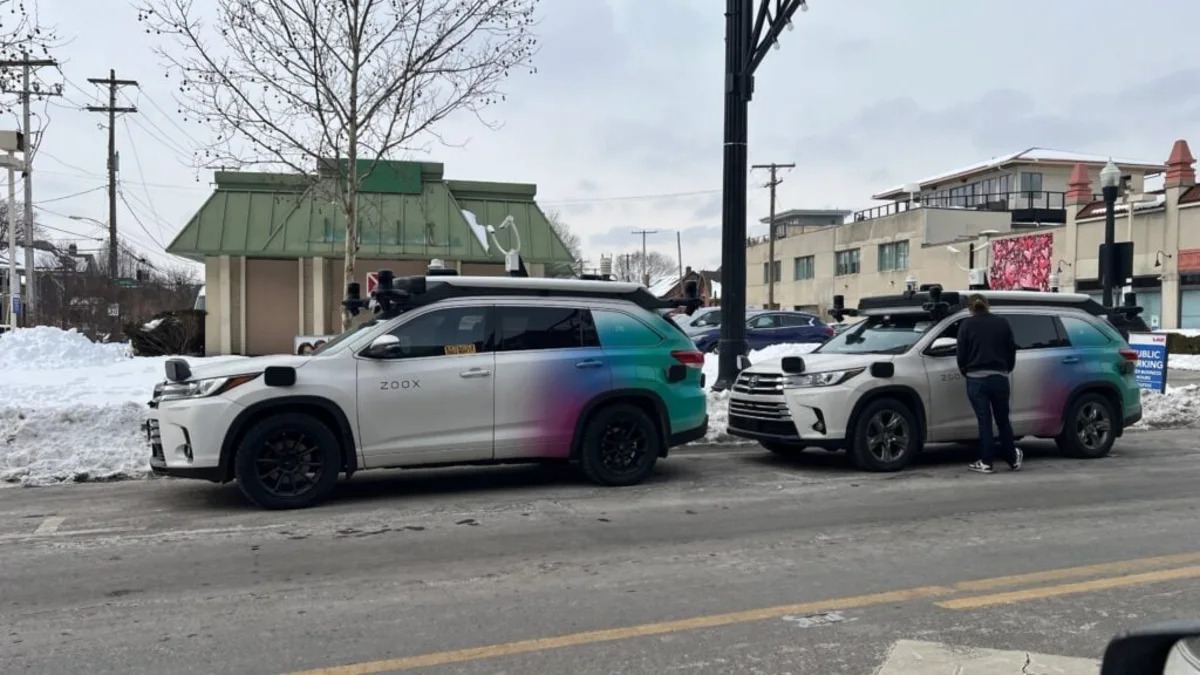
Zoox, Amazon's autonomous vehicle subsidiary, began charging passengers for driverless rides in Las Vegas on Monday, weeks after a June 20 incident in which an unoccupied vehicle entered heavy smoke at an active fire scene, braked sharply, and required remote guidance to leave. The company recalled 105 vehicles and updated software to better detect smoke following the incident.
Why it matters
Zoox became the first company to secure NHTSA approval for paid autonomous taxi service without steering wheels or pedals, operating under a temporary exemption allowing up to 2,500 purpose-built robotaxis annually for two years. CEO Aicha Evans publicly backed stronger federal regulation, stating 'we need to be regulated,' as the NHTSA warned that vehicles interfering with emergency personnel pose 'a danger to the general public.'
What to watch
Roughly 65 vehicles currently operate in Las Vegas with production ramping up. Zoox plans to expand into Atlanta and Los Angeles, and has completed more than 500,000 rides to date. The company is competing directly with Alphabet's Waymo and Tesla in the robotaxi race.
Summaries like this, in your inbox every morning.
Zoox's transition to paid service represents a significant inflection point in the autonomous vehicle industry, but it is shadowed by safety concerns that have prompted regulatory scrutiny. The June 20 smoke incident—in which the vehicle failed to navigate around an active fire scene without remote assistance—exposed a critical vulnerability in edge-case handling, particularly in scenarios involving emergency response. NHTSA administrator Jonathan Morrison has already flagged a "clear pattern" of autonomous vehicles interfering with emergency personnel, underscoring that this is not an isolated problem but a systemic issue the industry must solve before widespread deployment.
CEO Evans's explicit endorsement of stronger federal regulation is a notable strategic move, suggesting that Zoox views regulatory clarity and oversight as advantageous rather than burdensome. By backing the NHTSA and acknowledging the need for regulation, Zoox appears to be positioning itself as the responsible actor in a competitive landscape that also includes Waymo and Tesla. The company's willingness to recall 105 vehicles and iterate on software after a single incident demonstrates a commitment to safety-first development, though the fact that such a scenario required remote intervention raises questions about the maturity of autonomous decision-making in complex real-world conditions.
Pick your industry and the AI tools you use, and get news related to your work every day.
Free · 30 seconds with Google · unsubscribe anytimeWhat is AIToday? →
Ask AI anything about this article. The AI reads this article, earlier AIToday articles, and Wikipedia, and cites its sources. Q&As are published on this page for other readers too.
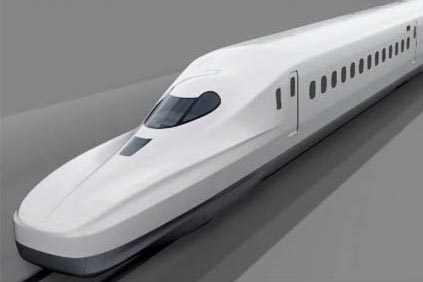
JR Central announced the S0系 on October 16, its first full model change since the N700S, with commercial servi…
Taiwan is considering much stricter export controls on AI chip sales to China, part of a greater alignment wit…

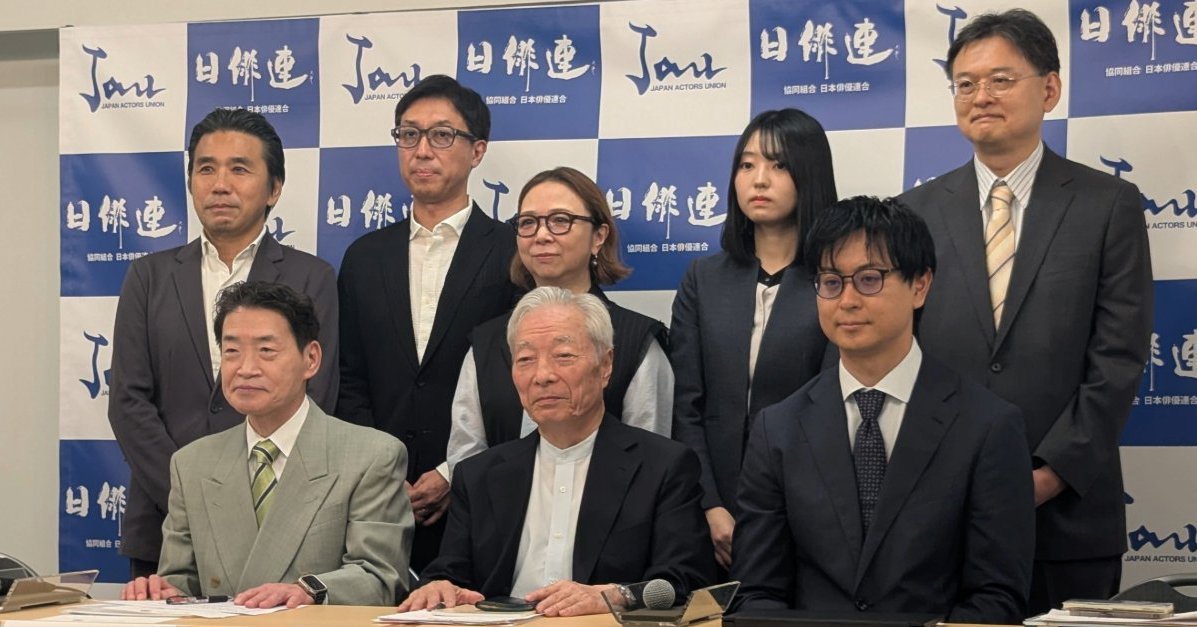
Nichiren announced its generative AI voice usage guideline on October 15, built on three pillars: prior notice…
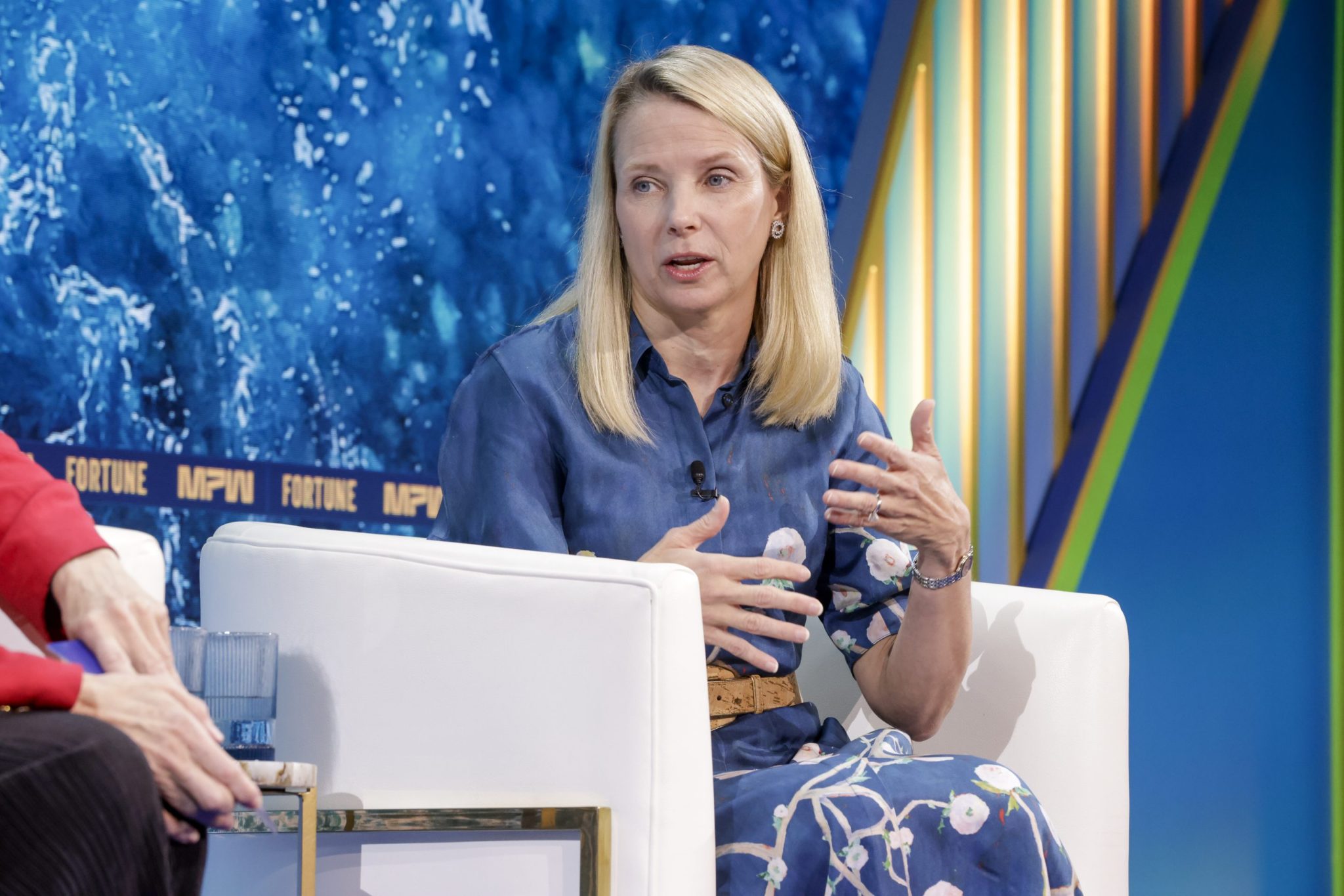
At the Most Powerful Women Summit, Marissa Mayer said anyone who claims to know how AI will play out is 'eithe…
SHIFT announced it began a project for the Acquisition, Technology & Logistics Agency (防衛装備庁) covering AI-rela…
After its first meeting Thursday, the White House AI task force formally adopted its charter, opening a 120-da…