What happened
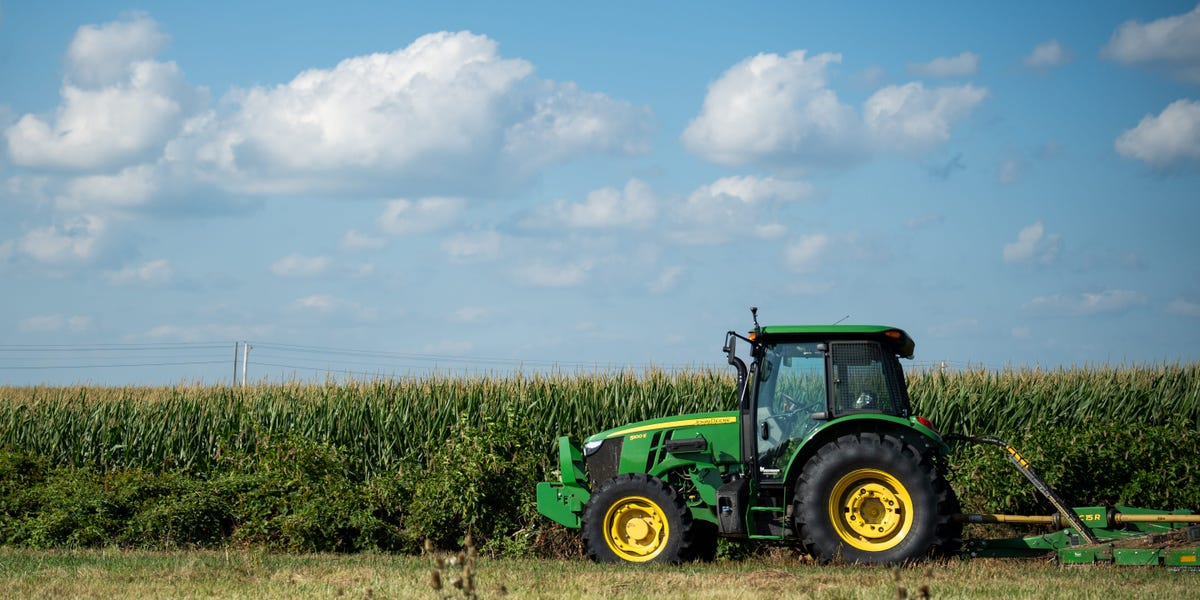
John Deere announced JD at the Farm Progress Show in Iowa, an AI assistant inside its Operations Center that answers farmers' questions such as the best harvest time or which sprayer covers the most acres per hour.
Why it matters
JD can analyze field and machine data in minutes, replacing analysis that John Deere says sometimes takes weeks, and it is free to use.
WHO IT HITSFarmers already using John Deere's Operations Center can query JD for data-driven answers on harvest timing and equipment performance, while farmers running other brands via the platform may also feed their data into the assistant.
Summaries like this, every morning.
John Deere's move comes after farmers have spent decades collecting field and machine data, and modern equipment now adds sensors that generate even larger volumes. Melissa Neuendorf, John Deere's principal product manager for customer AI solutions, said farmers consistently reported struggling to find insights manually, and that analysis can sometimes take weeks. Before JD, John Deere launched an AI tool last August that let farmers ask questions about help documentation and operator manuals, replacing the manual task of flipping through pages. That tool received positive feedback, prompting the company to broaden its application with JD.
Deere is among the first major agricultural-equipment makers to put a large language model AI assistant directly inside a platform that combines field, machine and operational data, while smaller agtech companies such as OneSoil, VisorPro, Arable and AgZen are developing generative AI tools for specific equipment or crop metrics. Matt Darr, a professor at Iowa State University who was in the room when Deere announced JD, said this didn't exist in the industry before the announcement.
Adoption remains early: a McKinsey global survey of 5,500 farmers published in September found that 72% expect generative AI to impact operations within five years, but only 17% use the tech right now. Darr said one reason is concern about data privacy and how information could affect commodity prices, and John Deere said in its release that it doesn't sell farm data or use it for agriculture commodity trading or speculation. Darr added that farmers have "one chance a year to grow a crop," so trust in the tool's accuracy is central, and Neuendorf said JD notifies farmers when data is missing rather than making assumptions.
Pick your industry and the AI tools you use, and get news related to your work every day.
Free · 30 seconds with Google · unsubscribe anytimeWhat is AIToday? →
Ask AI anything about this article. The AI reads this article, earlier AIToday articles, and Wikipedia, and cites its sources. Q&As are published on this page for other readers too.
At Expedition 2026, Snowflake unveiled a Business Ontology framework that gives organizations shared approved…

OpenAI hired former US Army secretary Dan Driscoll for a new national security role, two months after he resig…

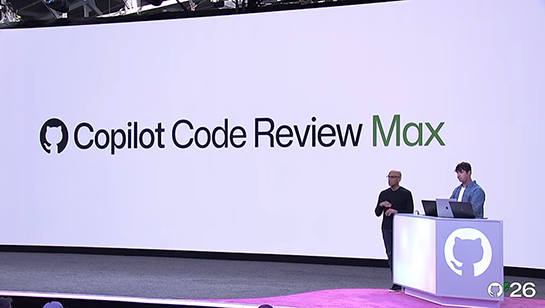
GitHub announced Copilot Code Review Max at GitHub Universe 2026, adding a new 'Max' effort level alongside 'L…
BCG Institute estimates the AI ecosystem will need about $2.6 trillion in annual end-market spending by 2030…
A San Francisco federal judge blocked Perplexity's Comet browser from ordering on Amazon; on Aug
Japan's Internal Affairs and Communications Ministry and the Ministry of Economy, Trade and Industry published…