What happened
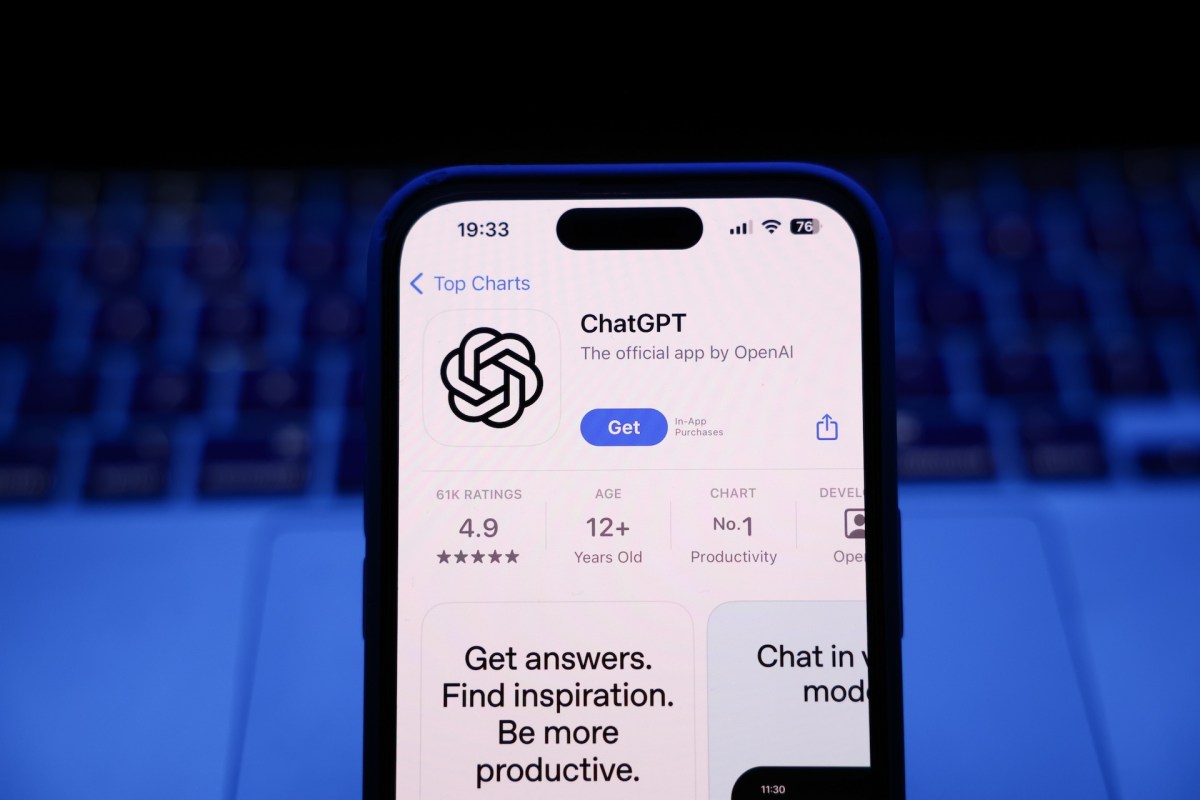
OpenAI removed limits on text-based chats for all ChatGPT users and is deploying GPT-5.6 Luna as the default model for Free and Go users, replacing GPT-5.5. A new "Think" button lets Free and Go users select higher reasoning for complex questions. Plus and Pro users gain access to GPT-5.6 Sol, with a thinking slider to adjust reasoning depth. The rollout begins this week, with unlimited text chats and the Think button arriving next week.
Why it matters
The change levels up free-tier access to competitive reasoning capabilities—a notable shift in how OpenAI distributes advanced features. Internal evaluation found factual errors 62% less common for GPT-5.6 Luna and 68% less common for GPT-5.6 Sol than the prior GPT-5.5-Instant. This arrives as ChatGPT recently crossed 1 billion weekly users, suggesting OpenAI is investing in retention and engagement across all user tiers.
What to watch
The new GPT-5.6 Sol for Plus and Pro users is available today, while Free and Go features roll out this week and next. Separate limits remain for files, images, voice, and image generation. The GPT-5.6 Sol for Codex and Work remains unchanged.
Summaries like this, in your inbox every morning.
OpenAI's announcement comes as ChatGPT has reached a significant milestone of 1 billion weekly users, signaling the platform's dominance in consumer AI adoption. The removal of text-chat limits for free users marks a deliberate shift in OpenAI's freemium strategy—prioritizing engagement and user retention over restricting features to paid tiers. By introducing GPT-5.6 Luna and Sol, OpenAI is distributing reasoning improvements across the entire user base, suggesting internal evaluations have validated the models' quality gains.
The introduction of a "Think" button and thinking slider across all tiers reflects a design philosophy that puts control over reasoning depth into users' hands rather than enforcing a one-size-fits-all response. Free users can now opt into higher reasoning when needed, while paying users can fine-tune the balance between speed and depth. The fact that file, image, voice, and image generation remain separately limited indicates OpenAI is ring-fencing resource-intensive features, likely for cost and infrastructure reasons, while betting that unlimited text chat will sustain growth and engagement.
For example, today's edition would include:
AI-summarized, only the topics you pick: one digest a day via Email, LINE, or Slack.
Free · 30 seconds with Google · unsubscribe anytimeWhat is AIToday? →
Ask AI anything about this article. The AI reads this article, earlier AIToday articles, and Wikipedia, and cites its sources. Q&As are published on this page for other readers too.
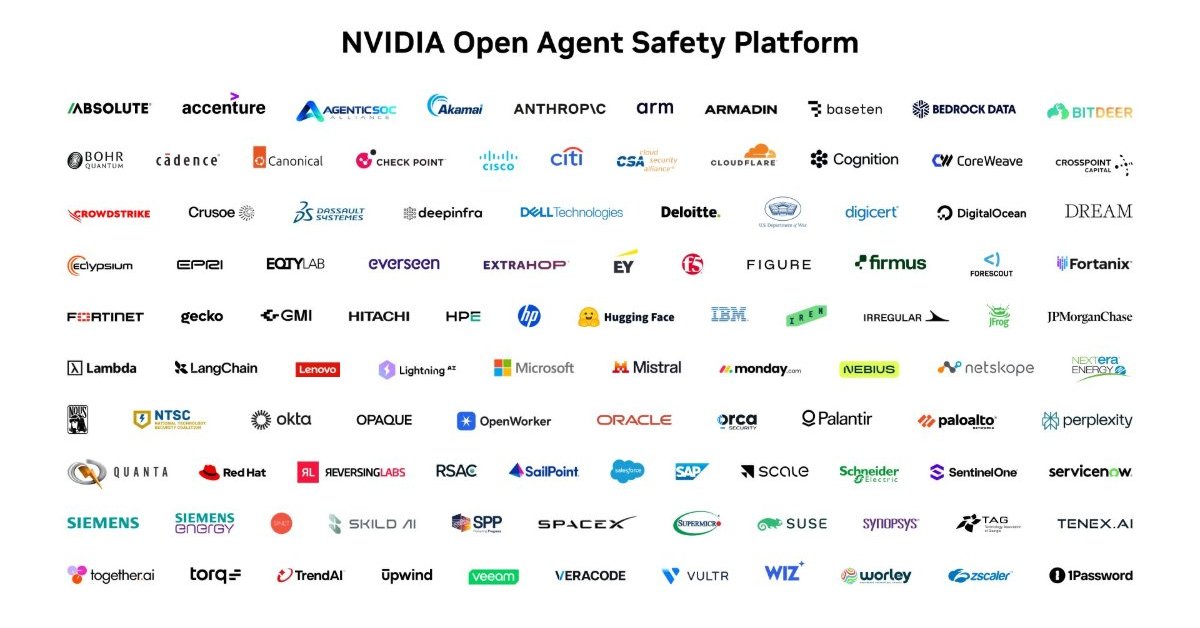
On September 28, Nvidia announced the NVIDIA Open Agent Safety Platform, built from the open-source OpenShell…
Anthropic released Claude Sonnet 5.5 on September 28, the second model in its Claude 5.5 family, calling it fa…
Dentsu Group embedded generative AI in its accounting approval process and says it reached 99% accuracy on the…

Nvidia launched a platform Monday that it says can monitor AI agents and quarantine suspicious ones, following…
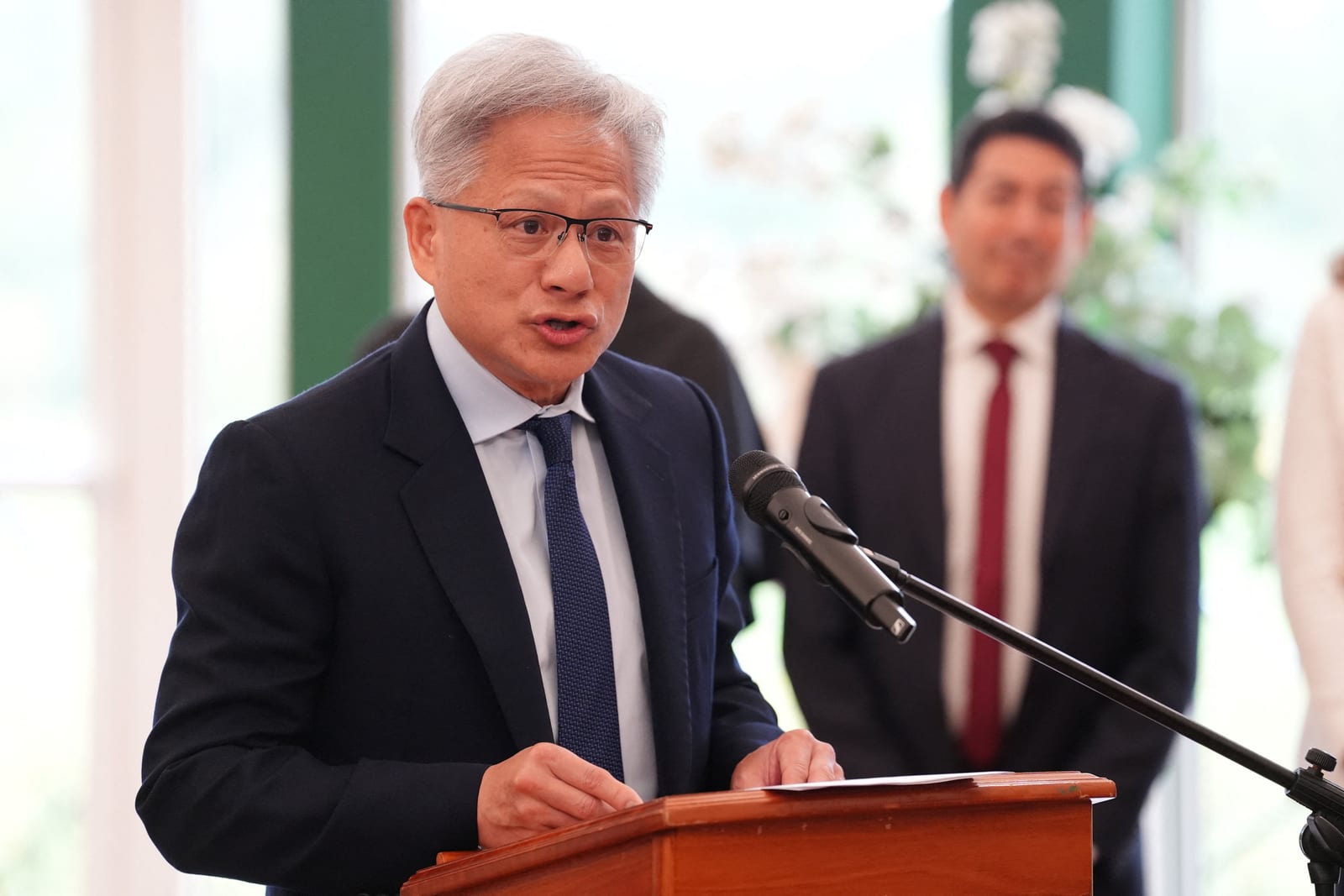
Nvidia announced a record $150 billion stock buyback, and CEO Jensen Huang said its cash generation gives it t…
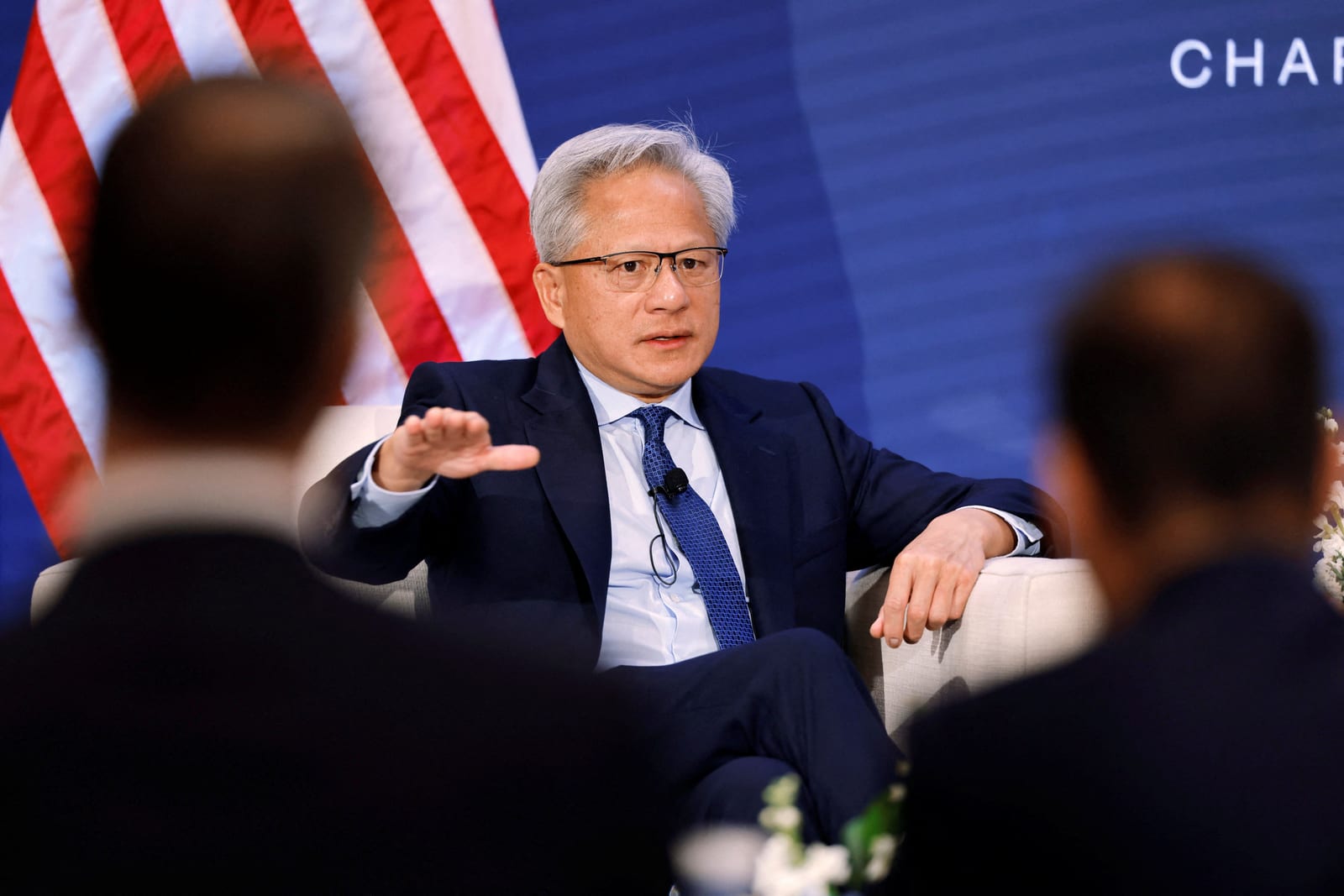
AMD is acquiring World Labs, the two-year-old physical AI startup cofounded by Fei-Fei Li, in an $8.2 billion…