
What happened
IBM X-Force said publicly disclosed CVEs across Microsoft, Oracle, Google Chrome and Apache rose from about 1,493 in January–September 2025 to more than 10,124 in the same 2026 period, roughly a 578% increase.
Why it matters
The surge, most pronounced from Q2 2026, suggests vulnerability discovery is scaling with AI-assisted research, so security teams will face larger patch cycles and compressed remediation timelines, by IBM's account.
WHO IT HITSSecurity teams and vulnerability management programs at organizations running Microsoft, Oracle, Google Chrome and Apache software are most directly affected, since they will need to triage and patch a far larger volume of findings within existing resource constraints.
Summaries like this, in your inbox every morning.
IBM X-Force's data shows vulnerability disclosure volumes stayed near historical baselines through the first quarter of 2026 before accelerating sharply in April and continuing through the summer. The pattern held across all four vendors tracked—Microsoft, Oracle, Google Chrome and Apache—which IBM says suggests the trend is not limited to a single product category or software ecosystem.
The timing coincides with broader adoption of frontier AI models for vulnerability discovery. Unit 42's August 2026 report on its NOVA platform, which found more than 14,000 previously undiscovered vulnerabilities across nearly 4,000 open-source projects in two months, illustrates the scale AI-assisted research can reach. IBM explicitly notes the data does not establish a direct causal link between AI-assisted research and the disclosure surge, but says the timing and scale raise that possibility.
For defenders, IBM frames the shift as one from discovery to prioritization. Its analysis of 223 AI-attributed vulnerabilities found most were serious and remotely accessible, meaning the operational burden is not just volume but severity. IBM recommends risk-based prioritization, faster patching, continuous visibility into internet-facing assets and compensating controls such as virtual patching where immediate fixes are not feasible.
Pick your industry and the AI tools you use, and get news related to your work every day.
Free · 30 seconds with Google · unsubscribe anytimeWhat is AIToday? →
Ask AI anything about this article. The AI reads this article, earlier AIToday articles, and Wikipedia, and cites its sources. Q&As are published on this page for other readers too.
ServiceNow unveiled AI Passport on Thursday, built on open specifications and integrated with runtime environm…
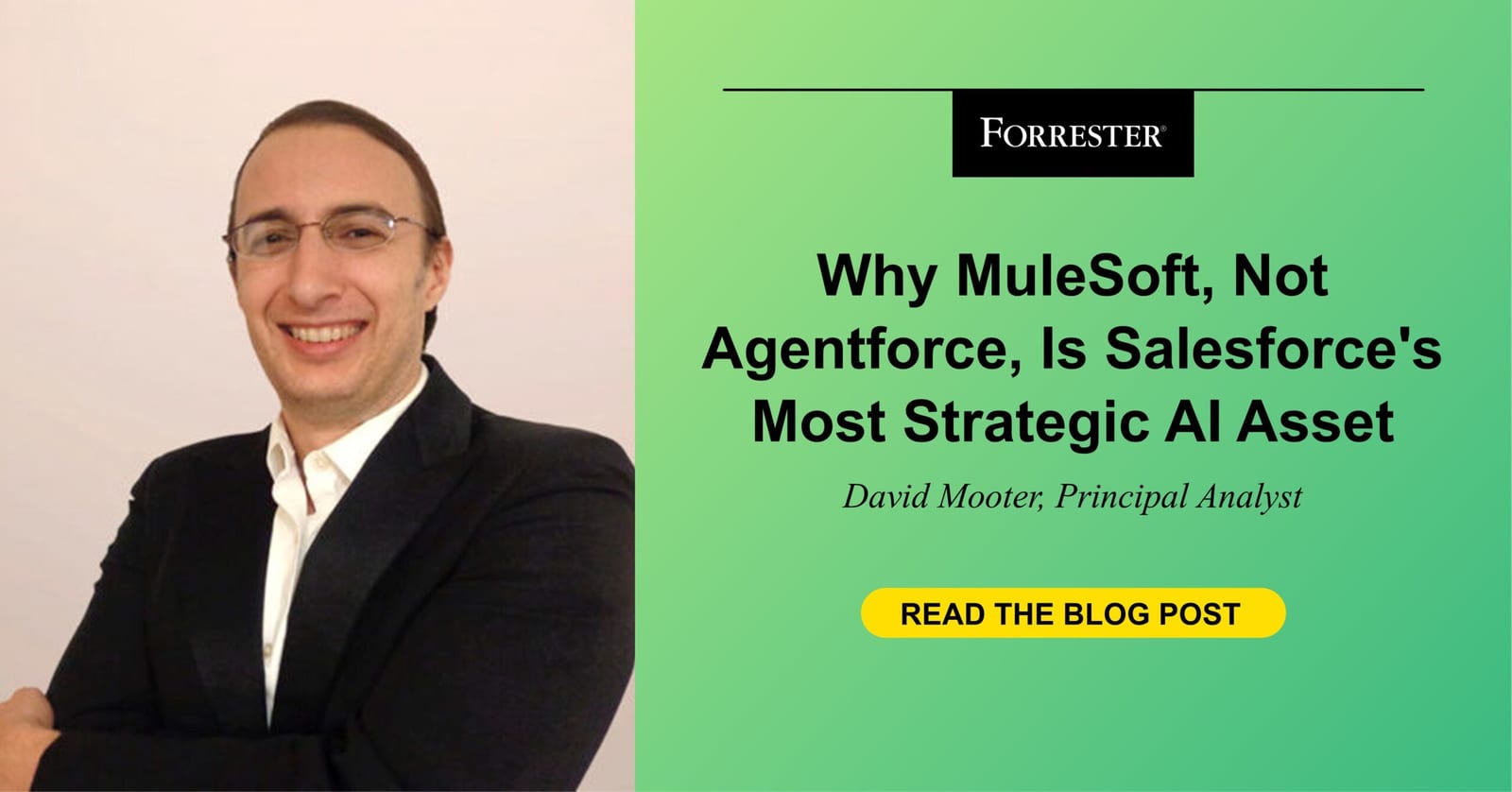
Forrester argues that MuleSoft's Agent Fabric, an agentic AI control plane for governing AI agents, is Salesfo…
Vertiv Holdings Co and the Deloitte Center for Integrated Research released an AI infrastructure deployment gu…

On October 12, CNBC's Jim Cramer said combining CrowdStrike, Palo Alto Networks and Okta makes an AI "kill swi…

Sam Jenkins of Punchcard Systems cites a 2025 Microsoft survey of 1,725 data security leaders finding nearly t…

S&P Global trades at 19.88x forward earnings, slightly below the roughly 20.93x average of Moody's, MSCI, Fact…