What happened
On October 19, 2026, GMO Prime Strategy and GMO AI Connect began connecting "GMO AI RAG" with "JOINT AI Flow by GMO," so answers drawn from internal documents can feed directly into workflow decisions and processing.
Why it matters
Companies using internal rules and manuals as decision criteria can aim to automate steps like application registration and notifications that still require manual work after an AI answer, without building a RAG system individually, though the body does not state a specific cost or deployment figure.
WHO IT HITSEnterprise teams that run internal approval and application workflows on top of rulebooks and manuals — such as HR, general affairs, and back-office operations staff — may be able to connect AI answers to actual filing and notification steps rather than copying them by hand.
Summaries like this, in your inbox every morning.
The starting point for this integration is a gap the companies describe plainly: even when a generative AI model can read internal rules and manuals and return an answer, the steps that follow — filing an application, registering data, notifying the people involved — often still fall to a person. Getting an answer and finishing the task are two different things.
The two products involved sit on either side of that gap. GMO AI RAG retrieves relevant passages from internal documents so the AI can answer with company-specific information. JOINT AI Flow by GMO is the workflow and AI agent layer where decisions and processing happen. Linking them is meant to let the output of one feed the other, so a response grounded in internal rules can drive the next action rather than stopping at text.
The companies also point to a maintenance burden that comes with rule-based automation: when internal rules or manuals are revised, the judgment criteria configured in the automation system may need updating too, adding operational load. How the integration handles that update work is not spelled out in the announcement, so whether it eases that burden in practice is likely to be a question for prospective users.
Pick your industry and the AI tools you use, and get news related to your work every day.
Free · 30 seconds with Google · unsubscribe anytimeWhat is AIToday? →
Ask AI anything about this article. The AI reads this article, earlier AIToday articles, and Wikipedia, and cites its sources. Q&As are published on this page for other readers too.
The US imposed sanctions on five Chinese entities tied to former Google engineer Linwei Ding, after his convic…
Pigment closed a $250 million Series E at a $2.3 billion valuation, led by Scaleup Europe Fund managed by EQT…

Nvidia is reportedly in talks to invest hundreds of millions of dollars in Firmus, and Maas Group — which owns…

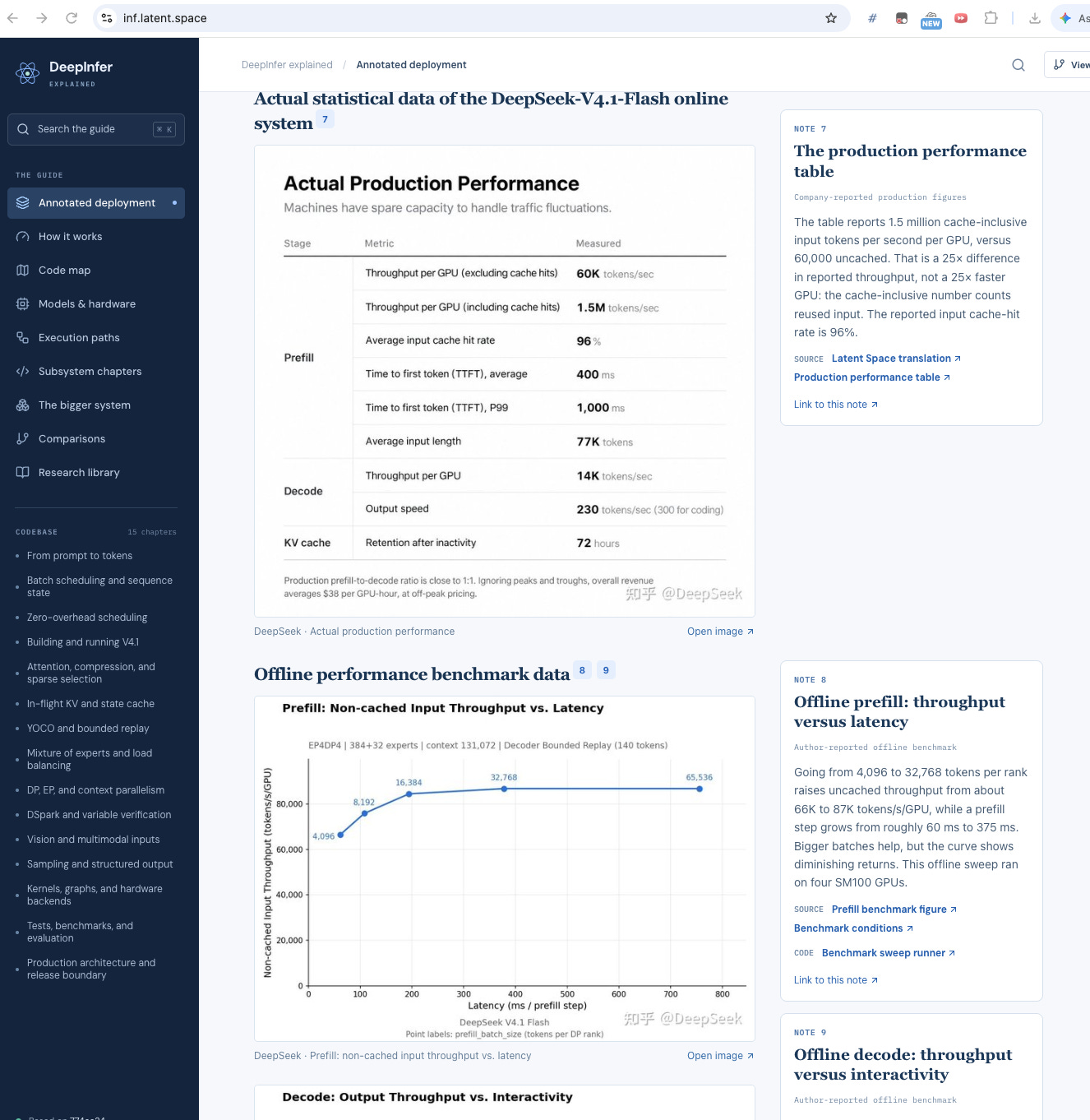
DeepSeek released DeepInfer, the inference engine behind V4.1-Flash, with production figures of 155 trillion t…
Tenex cofounder Alex Lieberman said at AIE New York that the firm has grown to 75 people, with 50% of customer…

OpenAI acquired Orchestra Bio on October 20 and is integrating its team and drug-development coordination tech…