What happened
Tenex cofounder Alex Lieberman said at AIE New York that the firm has grown to 75 people, with 50% of customers now Fortune 2000 companies and 50% mid-market firms doing 100 to 500 million in revenue.
Why it matters
That mix of large and mid-sized clients shows Tenex's output-based pay model has scaled beyond its startup roots into enterprise work.
Summaries like this, in your inbox every morning.
Tenex started 18 months ago as an AI-powered development shop, built around the idea that engineering is a canary in the coal mine for AI adoption. The founding impetus came partly from cofounder Armand, who saw peers still typing into their IDE without embracing coding agents, and Tenex set out to supercharge engineering organizations that were not adopting the technology.
As Tenex moved upmarket from startups and mid-market companies, customers began asking for AI transformation as a service, not just staff augmentation and AI engineering. That shift is reflected in the customer split Lieberman described, with half of clients now Fortune 2000 companies and half mid-market firms doing 100 to 500 million in revenue, while the team has reached 75 people.
Tenex still ties engineering compensation to story points, and Lieberman said the classic concerns about subjective estimates or shipping bad code to rack up points have not been the biggest problem. The harder issue has been compensating engineers for time not spent coding, such as architecting or meeting with clients, work that a system built around shipped tasks has to make room for.
Pick your industry and the AI tools you use, and get news related to your work every day.
Free · 30 seconds with Google · unsubscribe anytimeWhat is AIToday? →
Ask AI anything about this article. The AI reads this article, earlier AIToday articles, and Wikipedia, and cites its sources. Q&As are published on this page for other readers too.
The US imposed sanctions on five Chinese entities tied to former Google engineer Linwei Ding, after his convic…

Pigment closed a $250 million Series E at a $2.3 billion valuation, led by Scaleup Europe Fund managed by EQT…

Nvidia is reportedly in talks to invest hundreds of millions of dollars in Firmus, and Maas Group — which owns…

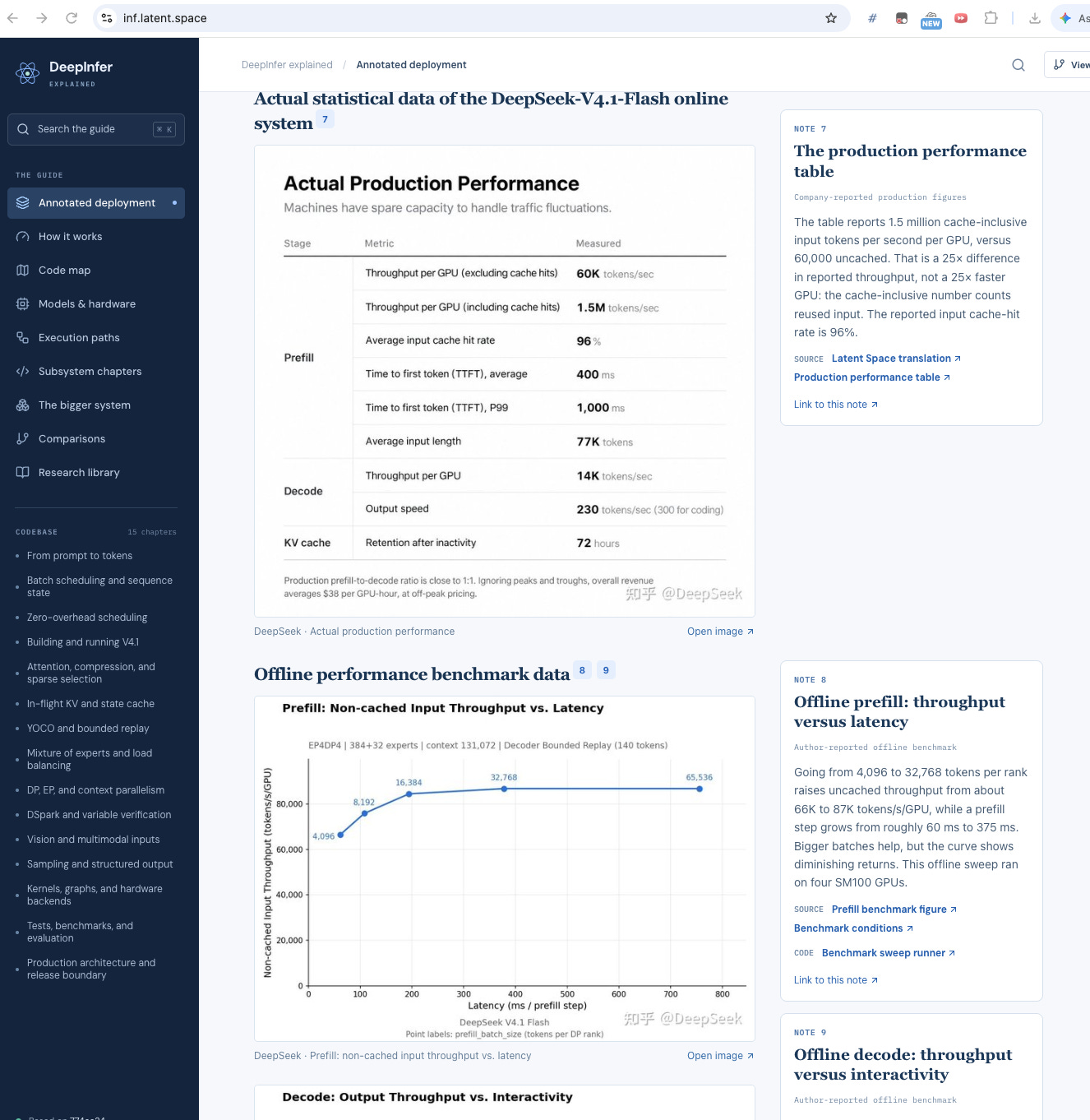
DeepSeek released DeepInfer, the inference engine behind V4.1-Flash, with production figures of 155 trillion t…
OpenAI acquired Orchestra Bio on October 20 and is integrating its team and drug-development coordination tech…
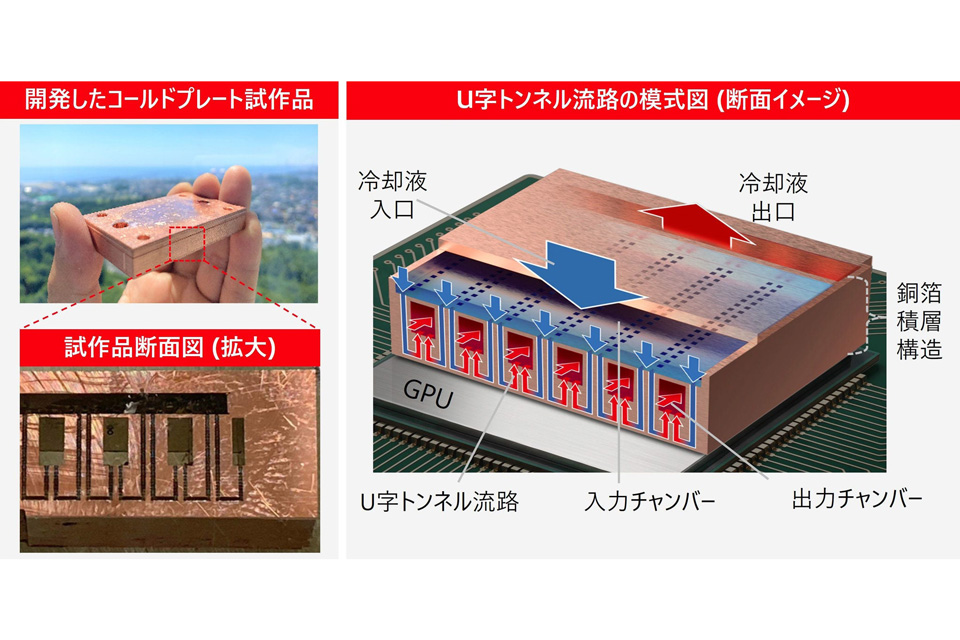
Hitachi unveiled a prototype GPU cold plate whose "U字トンネル流路" sends coolant straight at the GPU's hot spots, wi…