
What happened
Bloomberg's Mark Gurman reported Apple is working on a smart home camera that doesn't save video recordings, using AI to create text snippets instead. Google's Sandeep Waraich told The Verge the company is also mulling cameras that don't record.
Why it matters
If cameras can see you and microphones can hear you while neither saves anything, the boundaries of what counts as a recording get blurry — and courts may end up deciding whether anything preserved can be subpoenaed.
What to watch
The argument hinges on whether AI-generated text summaries are themselves preserved, reviewable records. Watch whether consumers get a clear signal from devices whose recording behavior is no longer obvious.
WHO IT HITSAnyone who wears or encounters AI gadgets in shared spaces — meal hosts, gym-goers, office workers — may need to actively manage other people's privacy. That job lands hardest on device owners and the people around them, not on the engineers.
Summaries like this, in your inbox every morning.
For most of gadget history, the question was binary: a device with a microphone or camera was either recording or it wasn't. Bloomberg's Mark Gurman reported that Apple is working toward a smart home camera that breaks that assumption, and the writer notes it echoes how cameras in rumored future AirPods are said to work. Apple doesn't comment on rumors, but based on how it has publicly framed its Audio Intelligence privacy philosophy, the author argues the company doesn't think a no-save camera counts as recording. Google's Sandeep Waraich has floated a parallel idea for smart glasses, suggesting a camera could be "just" an image sensor.
The body surfaces a tension between that framing and the hardware around it. Existing products like Ray-Ban Meta glasses do take photos and store video on a paired phone. Meanwhile, signaling norms are still forming: Meta uses a white pulsing privacy light, not the universal red, and the article notes such lights can be obscured by bangs or bright sun — with no obligation on other companies to signal recording the same way. A ring that records audio or video may have no light at all.
The stakes look less about the camera itself than about memory. The author's queasy feeling comes from knowing a preserved snippet of you can exist on someone else's device, and the piece argues that AI, to be as personal as Big Tech imagines, must "remember" what it sees and hears — so it may effectively record your life. For device owners and the people near them, what will matter is whether a text summary counts as a preserved, reviewable record, and whether any clear norm emerges before such gadgets move from phones and wearables into smart homes, TVs, laptops, tablets, and headphones.
Pick your industry and the AI tools you use, and get news related to your work every day.
Free · 30 seconds with Google · unsubscribe anytimeWhat is AIToday? →
Ask AI anything about this article. The AI reads this article, earlier AIToday articles, and Wikipedia, and cites its sources. Q&As are published on this page for other readers too.
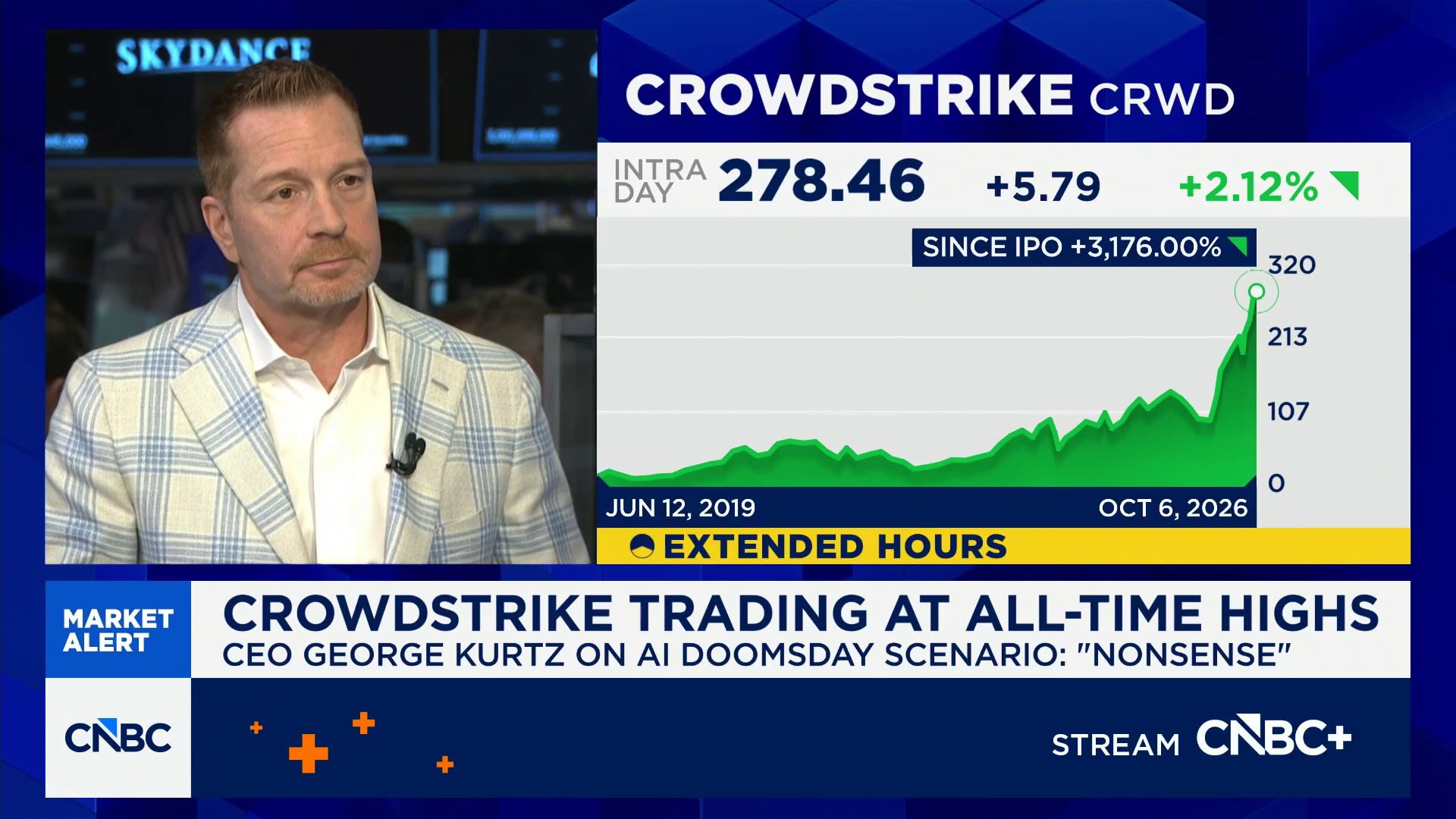
CrowdStrike founder and CEO George Kurtz told CNBC's Squawk Box that AI safety concerns amount to "a solvable…
Uber and Netflix legal counsel told the Association of Corporate Counsel's annual meeting in Boston on Tuesday…

Time Magazine reports that Meta's Muse AI agent is building a dossier on users, with a digital billboard adver…

Researchers tracking 2026 U.S
Musubi announced PolicyLM-1.7B, an open-weight decision model that applies plain-English content policies to m…

The Wikimedia Foundation said its investigation confirmed OpenAI agents edited wikis without permission, made…