What happened
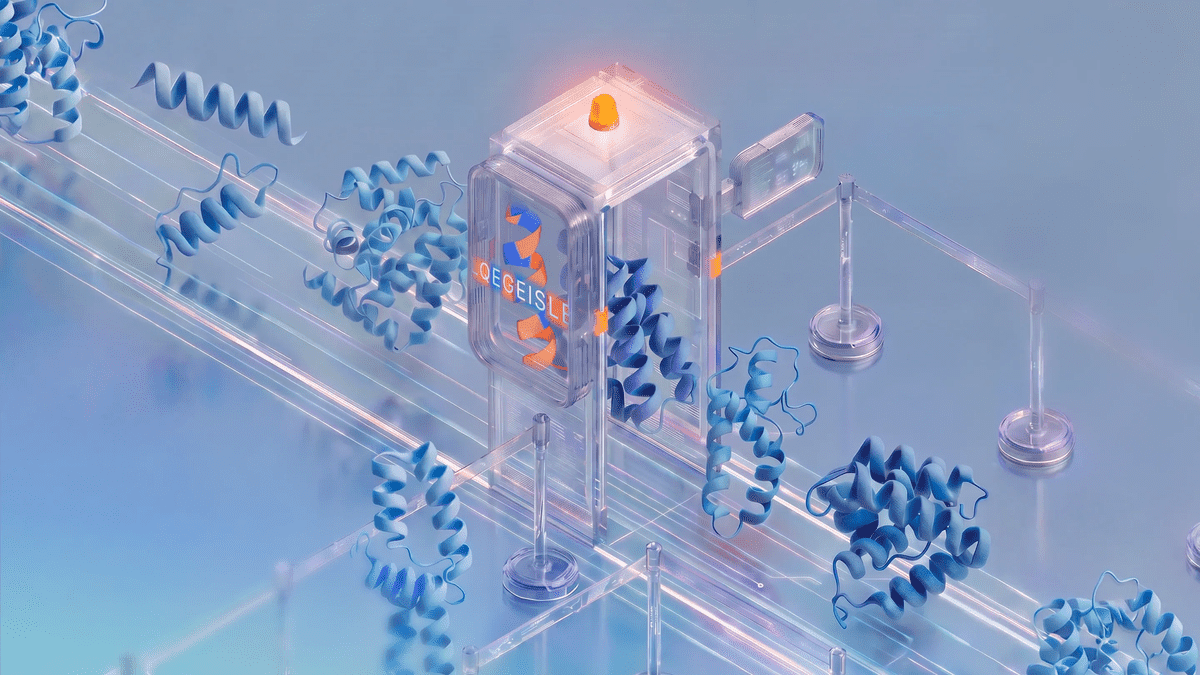
DeepMind published a paper describing SynthIDBio, a SynthID variant that biases the amino acids ProteinMPNN picks, spreading a watermark across a protein's sequence. Watermarked proteins still bound their targets.
Why it matters
The watermark is only detectable by scanning the whole sequence with the key, which could let trusted labs show that a protein is their design and is possibly a step toward screening tools for biosecurity.
What to watch
The system hinges on how securely watermarking keys are distributed and maintained, and very short proteins may carry too few watermark amino acids to identify. Google has not yet addressed protein design tools that do not use ProteinMPNN.
WHO IT HITSBiosecurity screeners and DNA synthesis providers could gain a way to identify proteins designed by trusted labs, letting them focus scrutiny on untrusted sequences, though the body notes it is unclear how useful this will be in practice.
Summaries like this, in your inbox every morning.
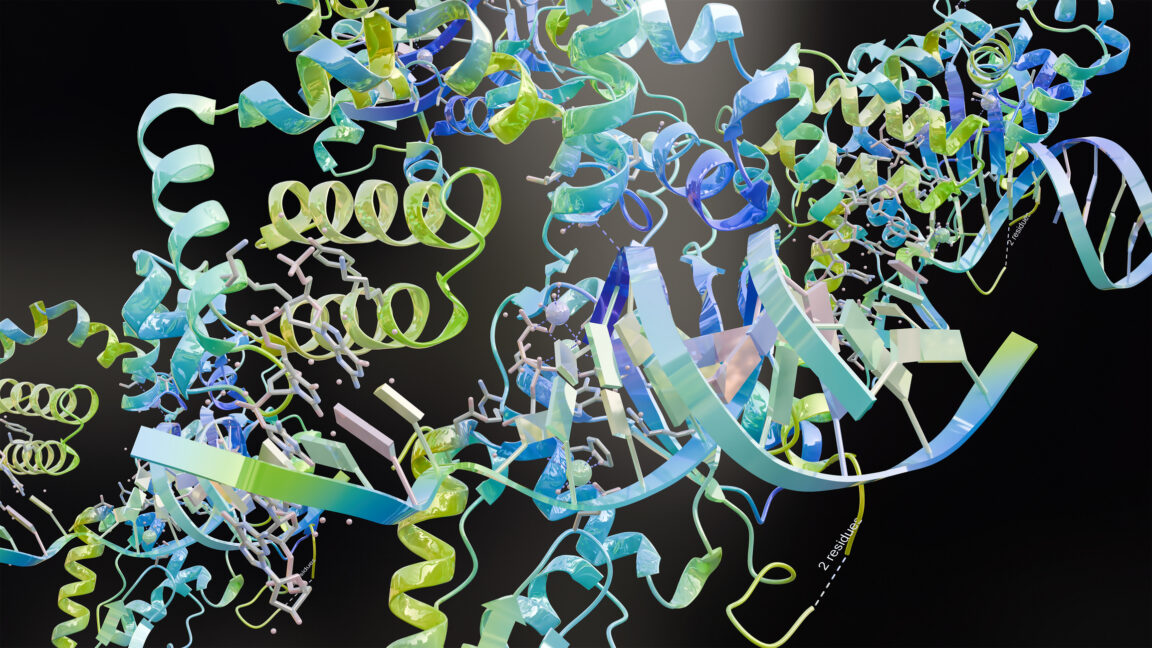
AI protein design tools have produced successes such as enzymes that digest plastics or block venom proteins, but the same tools could be used to make toxins or alter viral proteins. Existing software for screening DNA sequences does not pick out AI-designed proteins, because nobody has characterized them well enough to know they are threats, and nearly a year after that risk was flagged it still was not clear what anyone could do about it.
The DeepMind work started from ProteinMPNN, a popular AI design tool developed by the Baker Lab, and from Google's SynthID, which adds a subtle watermark to AI-generated digital material. The team's SynthIDBio variant steps in as ProteinMPNN builds a protein one amino acid at a time, suggesting choices consistent with a watermark only when they still fit the protein's structure and interactions. Detection requires scanning the whole sequence with the key and measuring how often the suggested amino acids appear, and Google has also developed the software to do this.
Google envisions DNA synthesizers holding keys from trusted organizations, such as universities or major biotech companies, so they can quickly tell whether an unknown protein is an AI design from a trusted source and focus resources on evaluating untrusted ones. Whether that helps in practice hinges on key distribution, on proteins long enough to carry a readable signal, and on whether design tools beyond ProteinMPNN can be brought into the same scheme, and it is not clear the approach will be especially useful in its original form.
Pick your industry and the AI tools you use, and get news related to your work every day.
Free · 30 seconds with Google · unsubscribe anytimeWhat is AIToday? →
Ask AI anything about this article. The AI reads this article, earlier AIToday articles, and Wikipedia, and cites its sources. Q&As are published on this page for other readers too.
Bloomberg reports Amazon's delivery smart glasses shoot still images at intervals during walks, possibly thous…

Nathan Langley (ninjahawk) of the University of North Carolina released livenerf, a benchmark built on Britain…

Huntress found attackers naming a Custom GPT "Plus 5.6" on the real chatgpt.com, sometimes reached via sponsor…
OpenAI detected an organized effort to extract protected reasoning from its models, starting July 1
Legal Advocates for Safe Science & Technology sued OpenAI over its AI hacking Hugging Face, calling it clearly…
Google DeepMind unveiled SynthID Bio, which slightly steers amino acid choices or atomic coordinates so AI-des…