
PwC's 29th Global CEO Survey found that only 12% of chief executives reported both revenue growth and cost reductions from AI, and 56% reported no significant financial benefits. PwC U.K. partner Matt Cook said firms that win turn AI into repeatable, measurable outcomes.
Summaries like this, in your inbox every morning.
The interview, conducted by theCUBE Research's Scott Hebner with PwC U.K.'s Matt Cook and Certinia's Prasad Narasimhan Sulur, frames AI's impact on professional services around a persistent gap between adoption and measurable returns. Cook cites PwC's 29th Global CEO Survey showing only 12% of chief executives report both revenue growth and cost reductions from AI, while 56% report no significant financial benefits. That finding, he says, reflects the limits of treating AI as a standalone productivity tool rather than integrating it into core operations.
Sulur points to software development as an example: AI-assisted coding may shorten development cycles without removing delays in testing, integration or release. This leads both executives to argue that firms must redesign entire workflows. They identify workflow orchestration and enterprise data management as essential components, with unstructured information such as meeting transcripts and previous project documents being valuable but requiring controls for relevance and access.
A recurring theme is that human accountability remains distinct from AI output. Cook says AI can accelerate evidence gathering and scenario development but does not carry professional accountability. He also references PwC research showing AI-exposed junior positions increasingly demand skills associated with senior roles. Looking ahead, both expect firms to shift human resources toward complex client challenges.
Pick your industry and the AI tools you use, and get news related to your work every day.
Free · 30 seconds with Google · unsubscribe anytimeWhat is AIToday? →
Ask AI anything about this article. The AI reads this article, earlier AIToday articles, and Wikipedia, and cites its sources. Q&As are published on this page for other readers too.
Apple told the European Commission it agreed to make employment offers to "certain employees of Huxe AI" and t…

Meta's Muse personal AI agent, launched Sept

Bank of America projected the data center CPU market will grow from around $61.4 billion this year to $210.6 b…

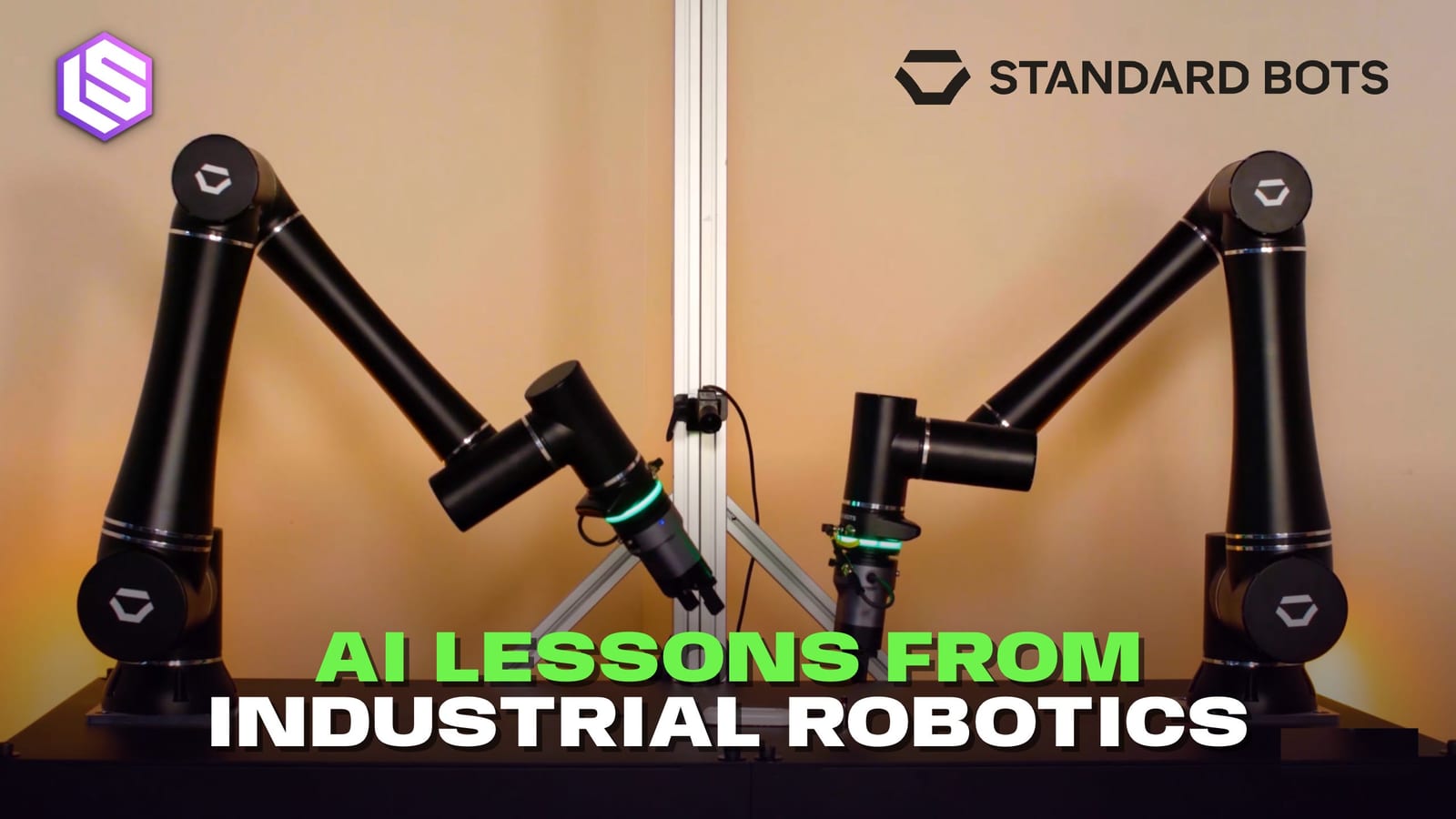
Standard Bots, an AI-native industrial robot maker, raised $200 million at a $1 billion valuation in a series…
OpenAI released more than 700 manuscripts on October 6, 2026, claiming solutions to hundreds of open math prob…

In a Fortune commentary piece, Serve Robotics chief Ali Kashani told his college-age daughters not to let hype…