What happened
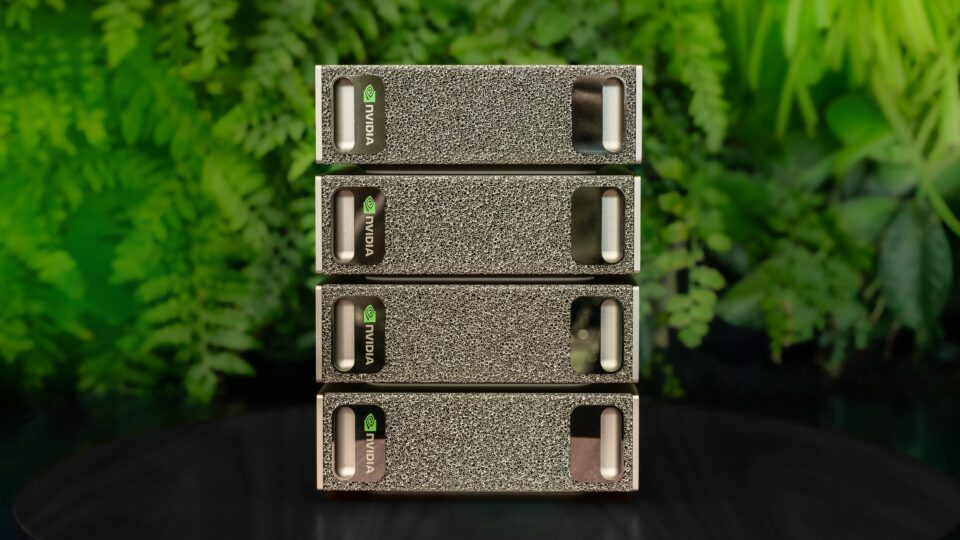
Perplexity AI Inc. today introduced Portable Computer, an on-device AI agent for desktops with Nvidia silicon, such as the DGX Spark. It runs on the open-source Qwen 3.8 27B model or Perplexity's optimized PPLX 27B, and includes a context compaction feature to handle long prompts.
Why it matters
This follows reports that Nvidia may invest in Perplexity at a valuation over $30 billion and has floated licensing its technology. The launch extends Perplexity's multi-step task automation to local hardware, potentially reducing reliance on cloud processing.
What to watch
An upcoming update will expand support to Windows PCs with Nvidia RTX graphics cards and add Nvidia's Nemotron 3.5 Lightning model. Perplexity also plans to let the agent request cloud help when the on-device model struggles.
Summaries like this, in your inbox every morning.
The launch of Portable Computer is a strategic move for Perplexity, aligning with reported talks of Nvidia investing at a valuation over $30 billion and potentially licensing its technology. By bringing its cloud-based Perplexity Computer agent on-device, Perplexity aims to offer similar multi-step task automation with local processing, which could appeal to users prioritizing data privacy or low latency. The integration with Nvidia's DGX Spark and future support for RTX Windows PCs suggests a deepening partnership with Nvidia, while the ability to offload tasks to the cloud when needed provides a fallback for complex operations. Perplexity's focus on guardrails, such as sandboxing and permission controls, indicates an effort to address security concerns in on-device AI. The planned addition of Nvidia's Nemotron 3.5 Lightning model further underscores this collaboration, potentially enhancing performance on devices with limited processing power.
Pick your industry and the AI tools you use, and get news related to your work every day.
Free · 30 seconds with Google · unsubscribe anytimeWhat is AIToday? →
Ask AI anything about this article. The AI reads this article, earlier AIToday articles, and Wikipedia, and cites its sources. Q&As are published on this page for other readers too.
Qualcomm trades at 26 times next year's earnings, versus 15 for Nvidia and 22 for Broadcom, even though its st…

SpaceX shares rose more than 5% on Friday after Starship's first trip to Earth orbit and a week of launches, a…

AMD closed at $608.10 on October 9, down 6.36% from its October 6 record close of $649.42, after a Financial T…
Vals AI tested GPT-6 Sol and Claude Opus 5.5 on the Vibe Code Bench, solo and as teams, at medium and maximum…

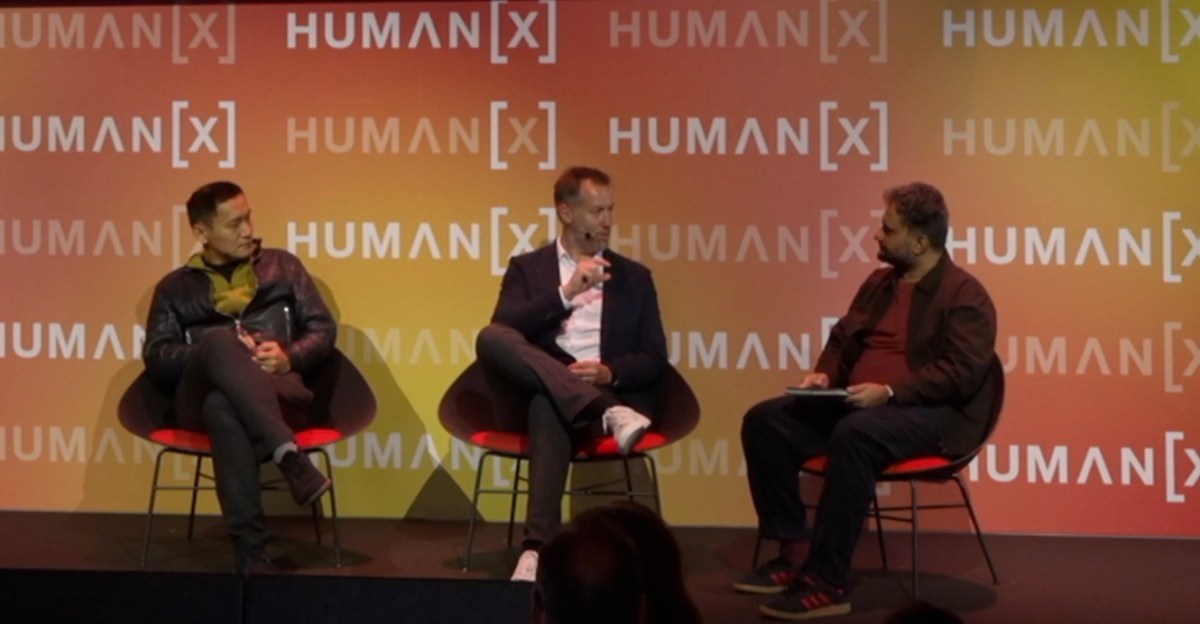
PolyAI CTO Shawn Wen told the HumanX conference that full-duplex models — which can speak while listening — no…
In a SiliconANGLE essay, Imagine Art's M