
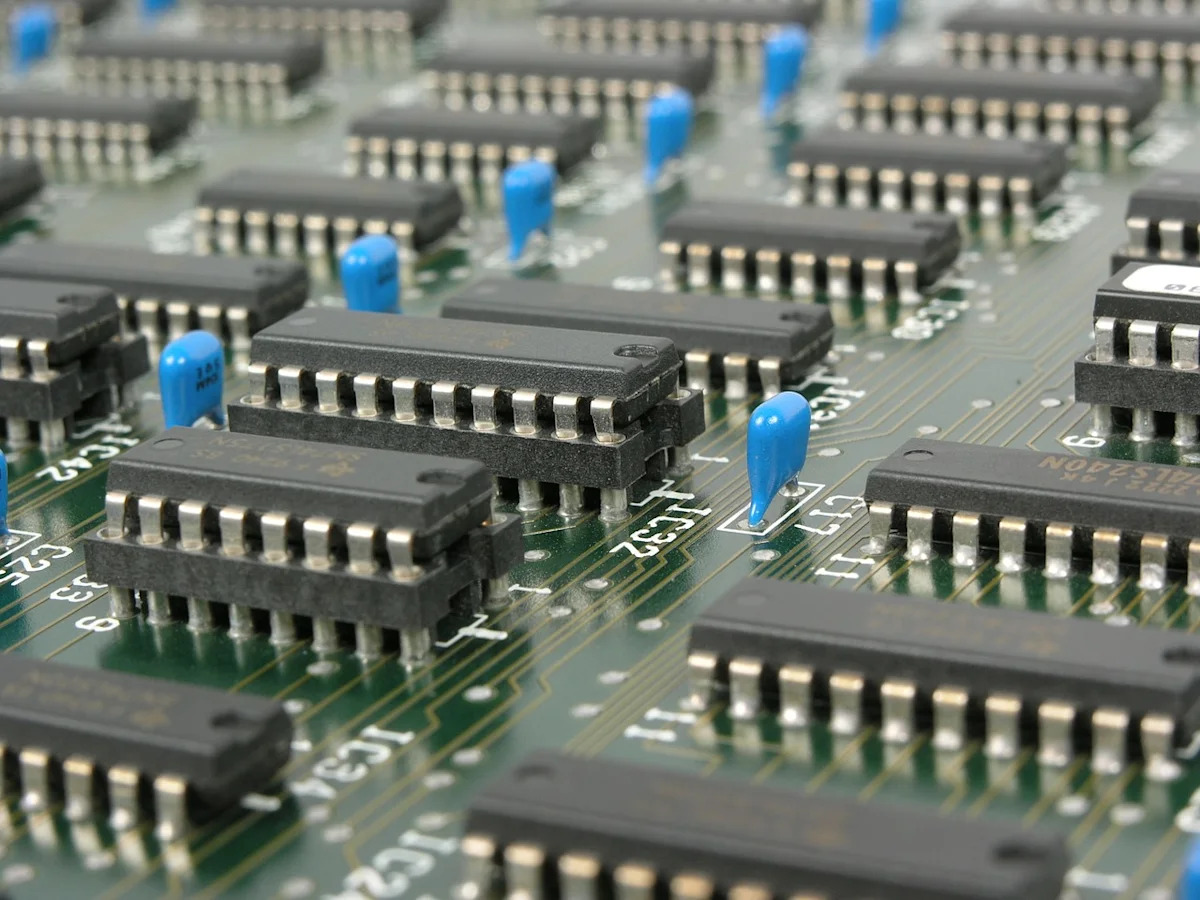
Alphabet is designing a new internal AI chip called Frozen v2 to make its Gemini models run more efficiently, with plans to release it in 2028. The chip could deliver 6–10 times better efficiency than Google's current AI chips, measured by tokens per unit of power. As AI companies face pressure to cut costs and reduce dependency on Nvidia, custom chips have become a key competitive lever; the news helped lift Google's stock roughly 3%.
Summaries like this, in your inbox every morning.
Sign up free →What happened
Alphabet is designing an internal AI chip called Frozen v2, set for release in 2028, that could be between six and 10 times more efficient than Google's existing AI chips when measured by tokens generated per unit of power, according to The Information.
Why it matters
AI companies are racing to build custom chips to reduce reliance on Nvidia and cut operating costs—a key concern as investor enthusiasm for AI spending has cooled. Google has committed $180 billion(約29兆円) to $190 billion(約30兆円) to its AI strategy, so proving that investment drives real efficiency gains is critical to maintaining investor confidence.
What to watch
The chip's actual performance when it arrives in 2028. Google did not directly confirm the report but said it is constantly researching innovations through a "full stack approach" of co-designed hardware and software. Stock markets reacted positively to the news, with Google's shares climbing roughly 3% on the day The Information published the report.
Alphabet, Google's parent company, is designing a new server chip internally codenamed Frozen v2 to help its Gemini models operate more efficiently. According to The Information, citing anonymous sources, the chip is slated for release sometime in 2028 and could deliver between six and 10 times better efficiency than Google's existing AI chips when measured by tokens generated per unit of power.
When asked about the report by TechCrunch, Google declined to directly confirm or deny the project but issued a statement emphasizing its commitment to research and innovation. The company said: "Our teams are constantly researching and experimenting with new innovations to deliver maximum performance and efficiency for our users and customers. While not every project moves into production, this rigorous exploration is central to our full stack approach. By co-designing our hardware and software from the ground up, we ensure our systems are integrated and highly optimized for real-world workloads."
The push for custom chips reflects broader industry dynamics. AI companies have grown increasingly focused on building their own silicon to improve efficiency and reduce reliance on Nvidia, which has historically dominated the AI chip market. This shift has intensified as concerns about AI spending dampened market enthusiasm. OpenAI announced its first custom chip, an inference processor called Jalapeño, in June, and Anthropic was reported to be in discussions with Samsung about a new chipmaking partnership earlier this month.
For Alphabet, the timing carries particular weight. The company announced earlier this year that it plans to spend between $180 billion(約29兆円) and $190 billion(約30兆円) to build out its AI strategy, and investors have expressed concern about the scale of those outlays. News of a more efficient Frozen v2 chip appears to have reassured the market; following publication of The Information's report, Google's stock climbed roughly 3% on Monday morning, suggesting investors interpreted the development as evidence that the company's investments are translating into tangible technological advances.
Alphabet's work on Frozen v2 reflects a broader industry shift away from dependence on Nvidia's hardware. As the body notes, AI companies have increasingly sought to produce their own chips to address supply constraints and improve operational efficiency—concerns that have only grown as investor enthusiasm for AI spending has moderated. OpenAI announced its first custom chip, Jalapeño, in June, and Anthropic has been in talks with Samsung about a new chipmaking partnership, signaling that custom silicon is becoming table stakes for major AI makers.
For Google, the timing is strategic. The company committed $180 billion(約29兆円) to $190 billion(約30兆円) to its AI strategy and faces investor pressure to prove those outlays will yield concrete returns. A chip that delivers 6–10 times better efficiency would go some way toward justifying that spend by showing that internal R&D can drive real operational improvements. The market responded positively: Google's stock climbed roughly 3% following The Information's report, suggesting investors viewed the news as validation that the company's hardware-software integration approach is paying off.
AI-summarized, only the topics you pick — one digest a day via Email, Slack, or Discord.
Free · takes 30 seconds · unsubscribe anytime
No comments yet. Be the first to share your thoughts!
Log in to join the discussion


Get curated AI news from 200+ sources delivered daily to your inbox. Free to use.
Get Started FreeFree · takes 30 seconds · unsubscribe anytime
1 minute a day. The AI essentials.
200+ sources · Email / LINE / Slack
