
What happened
In Anthropic's IPO roadshow video, co-founder Tom Brown said Claude trains and serves across AWS Trainium, Google TPUs, NVIDIA GPUs and AMD GPUs, and that Claude ported or wrote almost 100% of the kernels to get running on AMD in three days.
Why it matters
Brown presents that multi-chip bet, plus stacked compute multipliers, as a hard-to-replicate edge—suggesting Anthropic can get more effective compute from the same physical capacity, a claim investors may weigh as the IPO roadshow unfolds.
WHO IT HITSInvestors evaluating Anthropic's IPO get a rare public look at how the company sources compute across four chip vendors, while engineers weighing multi-chip software stacks see a claimed precedent of porting work done largely by Claude itself.
Summaries like this, every morning.
The roadshow video is notable less for the IPO mechanics than for what Anthropic chose to disclose about its compute stack. Brown frames the early multi-chip bet as unconventional—many people thought running AI models on different chips wasn't worth the effort, since each chip needs its own tailored software and inference stack—and says the company has been doing it for years. The AMD example is the concrete proof point: where bringing on a new chip platform had taken dozens of engineers months, Claude got it running in three days with basically no human intervention.
Brown pairs that with a second driver: the rate at which Anthropic discovers compute multipliers, which he describes as multiplying physical capacity to raise total effective compute. He argues these multipliers stack—each new one has a positive effect on the earlier ones—and that the process could accelerate toward recursive self-improvement, with Claude discovering multipliers entirely by itself. That is a forward-looking claim from Anthropic's co-founder, not an established result.
A prior hint: last September's postmortem of three recent issues described bugs that affected just Anthropic's TPU deployments, an early sign of the multi-chip approach in practice.
Pick your industry and the AI tools you use, and get news related to your work every day.
Free · 30 seconds with Google · unsubscribe anytimeWhat is AIToday? →
Ask AI anything about this article. The AI reads this article, earlier AIToday articles, and Wikipedia, and cites its sources. Q&As are published on this page for other readers too.
Anthropic set a proposed IPO valuation of up to roughly $1.4 trillion, below earlier reported expectations of…
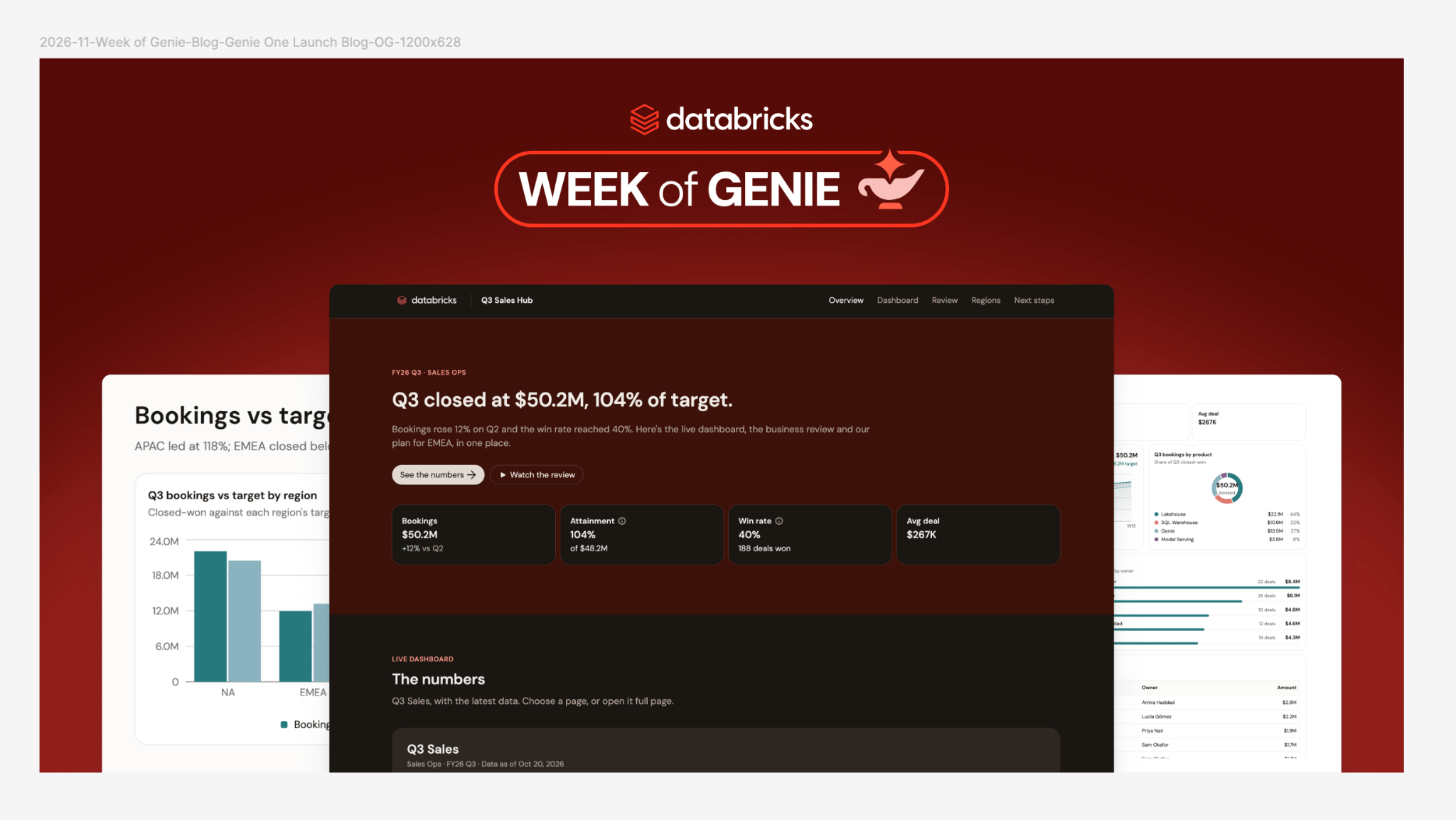
Databricks said Genie One now combines Genie Search across tools like Google Drive, Jira and Confluence, in-co…
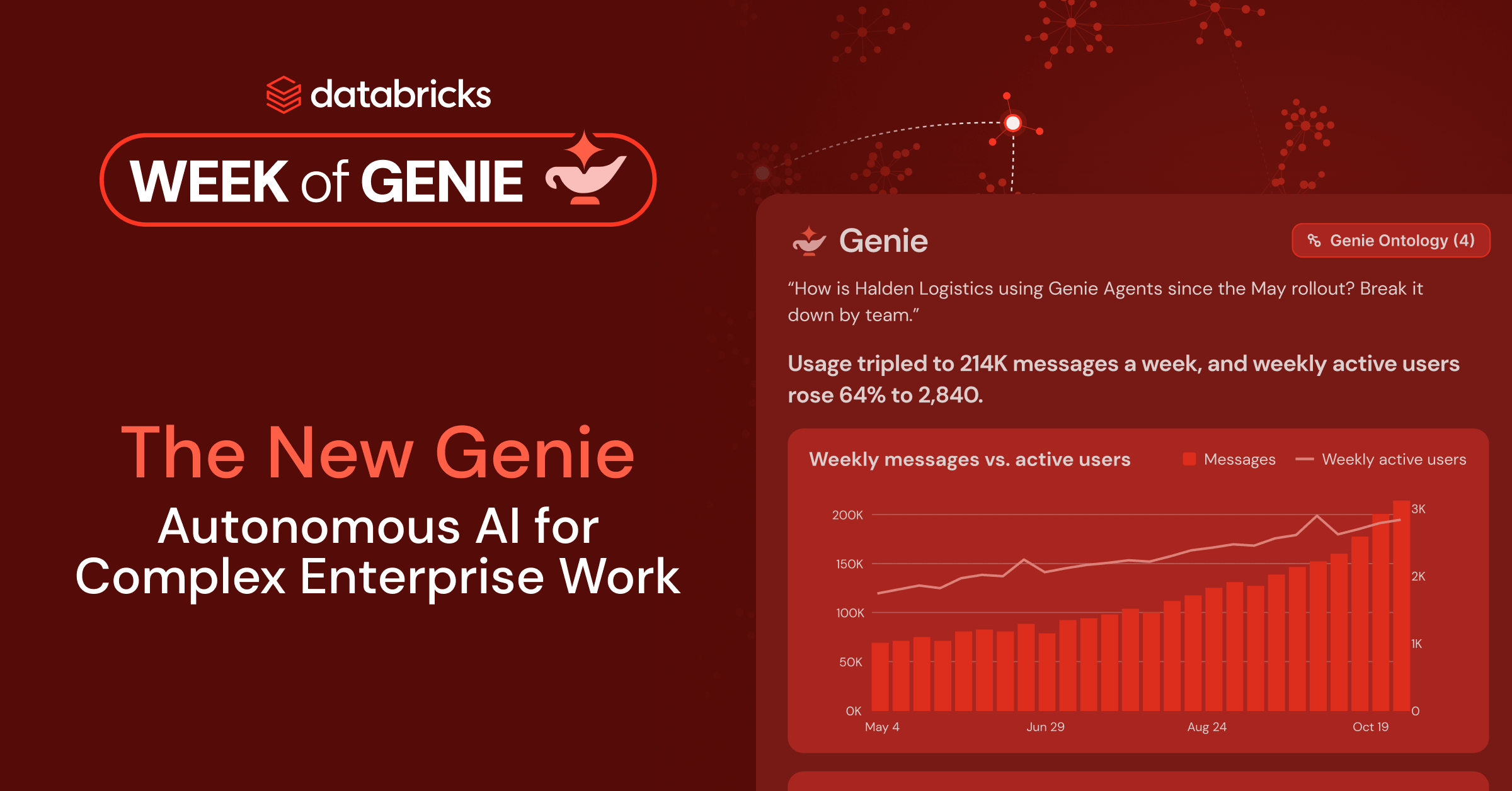
Databricks introduced the new Genie, an autonomous AI coworker that stays on the job continuously, tracking pr…
The New York Times reported Jensen Huang allegedly had an affair with Alice Huang, a one-time Megaspeed execut…
Google DeepMind unveiled AlphaGenome 2, trained on more than 100 million individual cell profiles across 68 ti…

Databricks unveiled an updated Genie agent that completes multi-step jobs unsupervised, using an ontology buil…