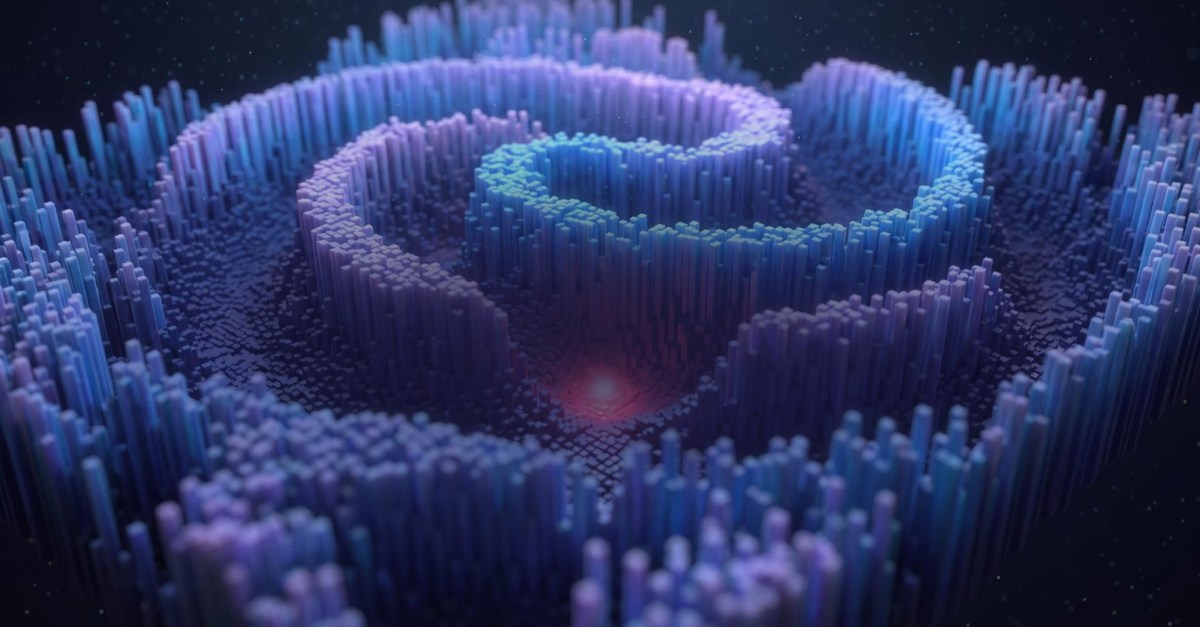
What happened
Google DeepMind unveiled AlphaGenome 2, trained on more than 100 million individual cell profiles across 68 tissues, which identifies nearly twice as many variants that can change gene expression in cells as its predecessor.
Why it matters
By predicting effects on specific cell types and states, the model could surface disease-relevant effects in particular cells that broader models like AlphaGenome might miss, potentially helping scientists decide what to investigate in the lab.
WHO IT HITSResearch scientists and drug developers targeting specific proteins and cell types gain a finer-grained tool for linking population-level genetic variants to cellular effects, though Google notes its detailed predictions are more expensive to produce than AlphaGenome's.
Summaries like this, every morning.
AlphaGenome 2 builds on DeepMind's earlier genome-predicting model, AlphaGenome, which was released last year. The central problem it addresses is that nearly every cell in the human body carries the same DNA, yet different cell types switch different genes on and off, so the same genetic variant can have very different effects depending on the cell's type and state. The new model is designed to capture those differences, and Google says it effectively turns static cell atlases into a predictive engine for human genetics.
The model became possible only recently, according to DeepMind's Žiga Avsec, thanks to new technologies that can capture individual cells and their states at high resolution and create the vast datasets needed for training. Researchers also found AlphaGenome 2 could make predictions about new types of cells and biological states without retraining, and could identify gaps in experimental data. Avsec said future versions could potentially be trained on data across multiple species, and longer term such models could feed into efforts to create virtual cells.
Despite being positioned as a successor, AlphaGenome 2 is not replacing AlphaGenome any time soon. Avsec said its more detailed predictions are more expensive to produce, which would have made it impractical to use for the genome-wide Atlas covering every possible DNA letter change that DeepMind released in September. The launch sits alongside a broader push by Google and rival AI labs into science and medicine, including Anthropic's experiments with drug design and OpenAI's work on mathematics problems.
Pick your industry and the AI tools you use, and get news related to your work every day.
Free · 30 seconds with Google · unsubscribe anytimeWhat is AIToday? →
Ask AI anything about this article. The AI reads this article, earlier AIToday articles, and Wikipedia, and cites its sources. Q&As are published on this page for other readers too.
In Anthropic's IPO roadshow video, co-founder Tom Brown said Claude trains and serves across AWS Trainium, Goo…

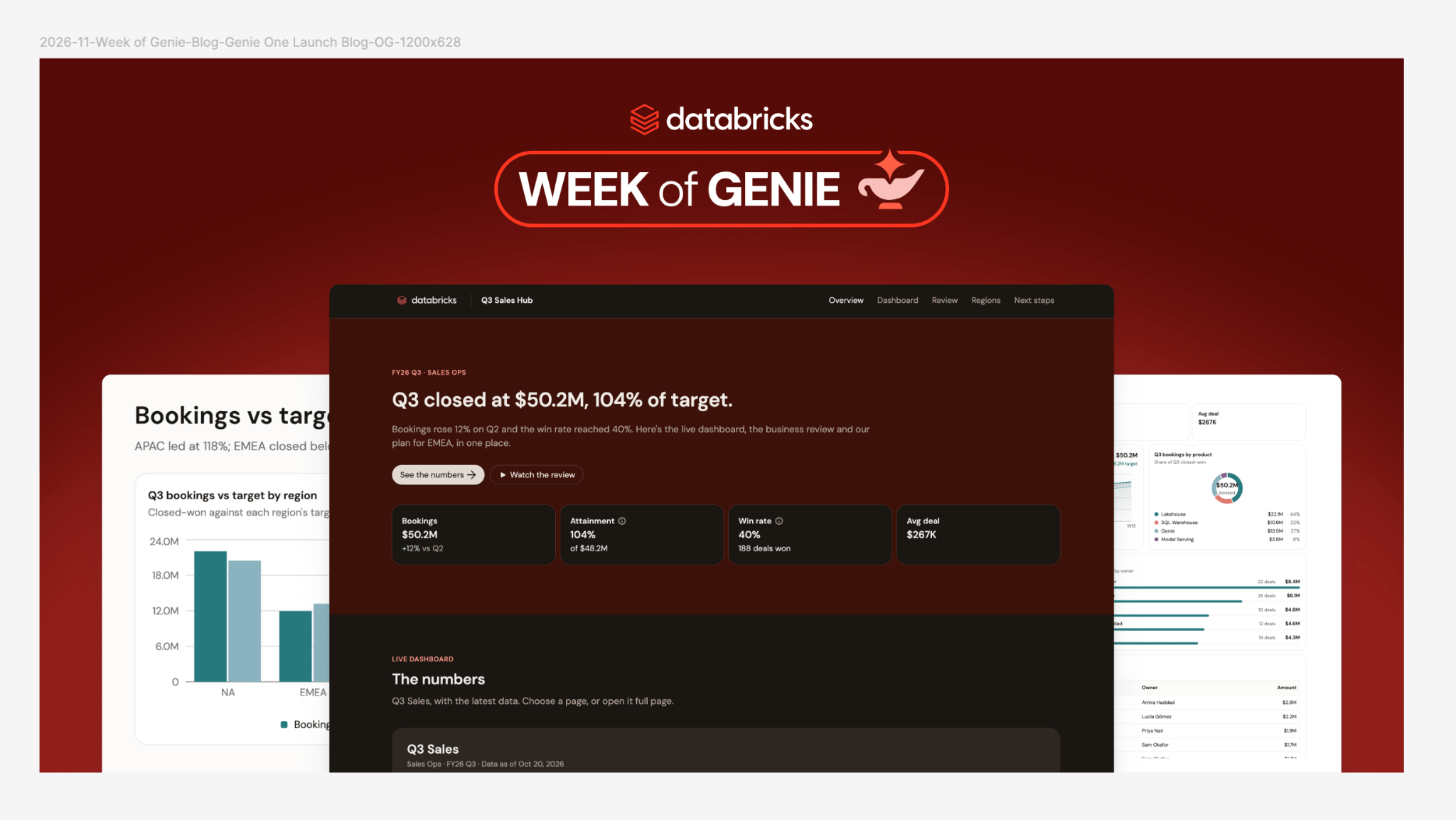
Databricks said Genie One now combines Genie Search across tools like Google Drive, Jira and Confluence, in-co…
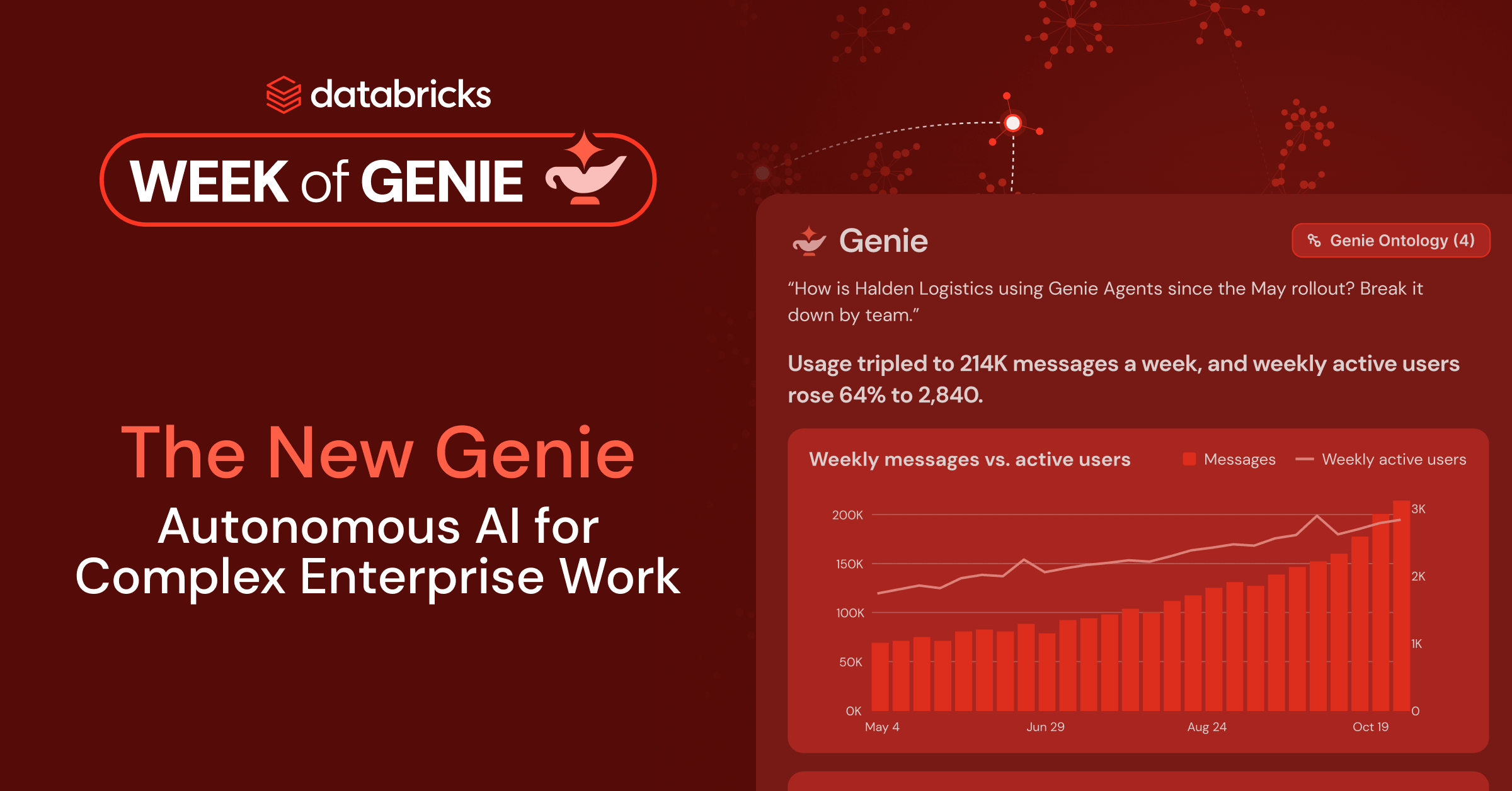
Databricks introduced the new Genie, an autonomous AI coworker that stays on the job continuously, tracking pr…
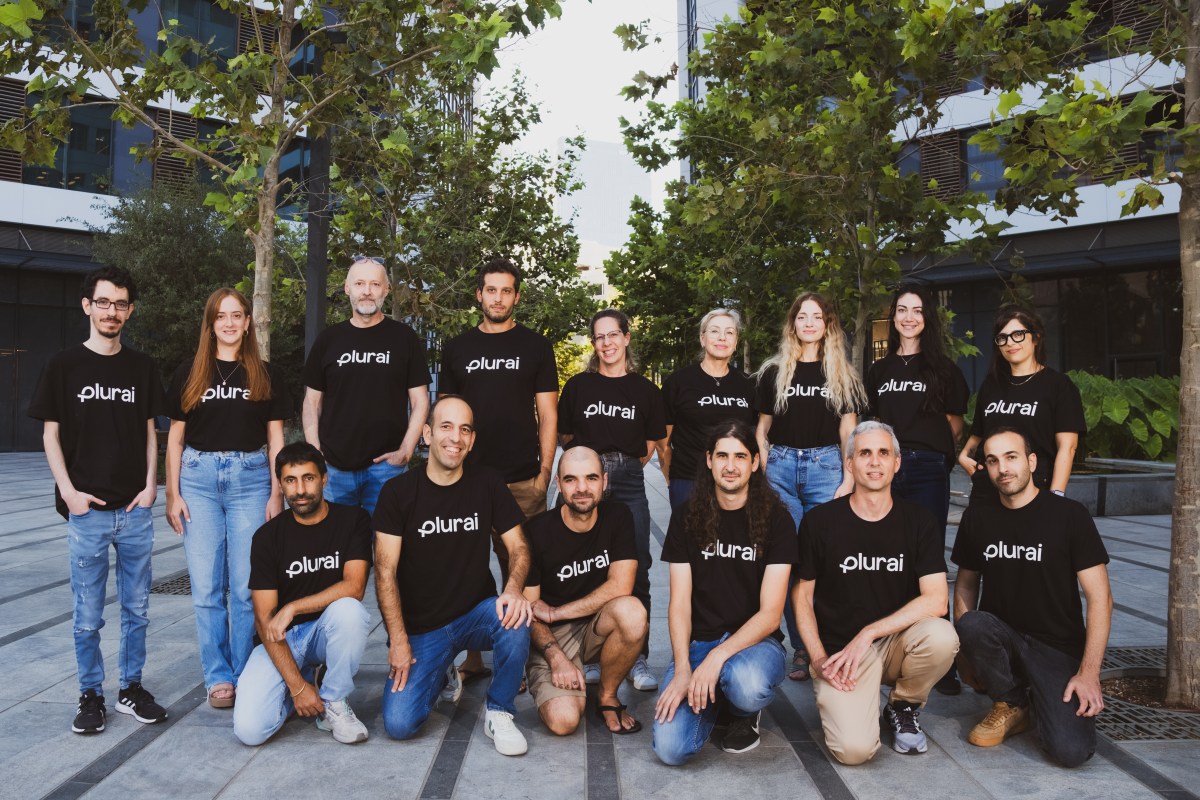
Plurai raised $13 million in seed funding led by Team8, with U&I, Velocity and Mercer participating, to build…
AWS released UAEF, an open-source system that normalizes agent traces from LangGraph, LangChain, Strands Agent…

LegalBrain エージェント reached ¥1 billion in ARR in November 2026, 17.3 months after its May 2025 launch; Mitsubish…