Microsoft shares surged 15% after earnings showed 43% revenue growth paired with modest capex reduction, becoming the first major AI infrastructure investor to convince the market its spending will pay off.
Meta's 8.8% decline reflected investor concern that its heavy AI spending lacks a clear path to future revenue growth, highlighting a critical divide in how the market judges AI investments: Microsoft demonstrated a diversified, grounded business model, while Meta's concentrated bet on AI's uncertain payoff left questions unanswered.
What happened
Microsoft shares jumped 15% after reporting 43% revenue growth and trimming full-year capex projections (due to accounting changes in data center useful-life assumptions), while Meta shares fell 8.8% after missing profitability estimates, maintaining Q3 revenue guidance unchanged, and keeping capex forecasts flat. The contrast reflects divergent investor confidence in how each company is deploying AI spending.
Why it matters
Microsoft is the first major AI capex spender to report earnings and receive a positive stock reaction—demonstrating to the market that heavy infrastructure investment can coexist with solid near-term returns and visible business growth. Meta's inability to show when or how its AI spending will generate sales growth left investors without a clear narrative for future value, whereas Microsoft's diversified revenue streams (software, cloud, and ASR AI expansion) offered a more complete picture of a two-year outlook.
What to watch
Microsoft is now trading at approximately 25 times trailing earnings and is considered the best bargain among the Magnificent Seven, with both Microsoft and Alphabet standing out as diversified alternatives to peers dependent on single revenue sources. Enterprise software provides what analysts call a "bulletproof" foundation, free from dependency on moonshot bets like robotaxis or sustained chip pricing power.
Microsoft shares rose approximately 15% on July 31, 2026 (recorded during a podcast taping on July 30, 2026), following earnings that showed 43% year-over-year revenue growth and a modest reduction in full-year capex expectations. The capex reduction stems primarily from an accounting change in how the company calculates the useful life of its AI data centers, but it signals a willingness to moderate spending—a posture that contrasts sharply with other major AI investors. Notably, Microsoft is described as "the first major AI capex spending company to announce earnings and see a positive earnings reaction in the quarter."
Meta, by contrast, saw its stock fall approximately 8.8%. The company missed profitability estimates, maintained its Q3 revenue guidance at prior levels, and did not reduce its capex forecast—a move many investors had anticipated given market skepticism about AI ROI. While Meta's social media advertising business remains strong and is growing, the bulk of the company's capital is now directed toward AI initiatives with no announced timeline for revenue generation or return metrics. As Matt Frankel notes, Meta has not yet "shown investors that their money is being well spent."
Analysts framing the comparison emphasize that the divergence stems not from raw financial strength but from narrative clarity. Microsoft offers what Lou Whiteman describes as "a diversified business"—strong software results, accelerating cloud revenue growth, and real ASR AI expansion across the business. The company is not dependent on a single moonshot bet; enterprise software provides a stable foundation. Meta, by contrast, excels at one thing: social media advertising. The capital being deployed elsewhere within the company lacks a clear near-term or medium-term payoff story.
Prior to the earnings jump, Microsoft had traded roughly flat since January 2024 despite the AI boom—concerns about capex and ROI had weighed on the stock. After earnings, shares traded at approximately 25 times trailing earnings, a valuation that analysts now view as attractive relative to growth. Microsoft and Alphabet are singled out as the only two Magnificent Seven companies that "really interest" investors because they offer "a lot more ways to win" than peers such as Nvidia, which derives strength from a single dominant product or capability. Microsoft's combination of relatively low valuation, accelerating growth in cloud and AI, and a durable enterprise software business is described as "probably the most bulletproof business in the Mag 7" and a rare combination in the current market environment.
The earnings divergence between Microsoft and Meta highlights a fundamental shift in how investors assess AI capital spending. Throughout 2024–2025, the market has struggled with a core question: when will massive AI infrastructure investments produce tangible revenue and profit growth? Microsoft's earnings report provided what Lou Whiteman calls a clear answer to the market's biggest question—by demonstrating accelerating growth across multiple business units (software, cloud, and ASR AI) while *reducing* near-term capex expectations. This reassured investors that heavy AI spending can coexist with disciplined capital allocation and visible returns.
Meta faced the opposite narrative. Despite strong social media advertising (its core competency), the bulk of its capital is now flowing into AI bets with no announced timeline for commercial payoff. By maintaining both revenue guidance and capex expectations without offering a clearer timeline or ROI path, Meta left investors without the story Microsoft provided: a diversified portfolio insulating the company from single-point-of-failure risks. Alphabet, which reported similar cloud acceleration, initially saw its stock fall despite solid results—underscoring that mere financial strength is not enough; the market requires a convincing narrative about AI's role in the company's future. Microsoft delivered that narrative more effectively than either peer.
AI-summarized, only the topics you pick — one digest a day via Email, Slack, or Discord.
Free · takes 30 seconds · unsubscribe anytime
Ask AI anything about this article. Q&As are published on this page for other readers too.
TSMC has roughly doubled its CoWoS and SoIC packaging capacity annually for several years and is now running C…
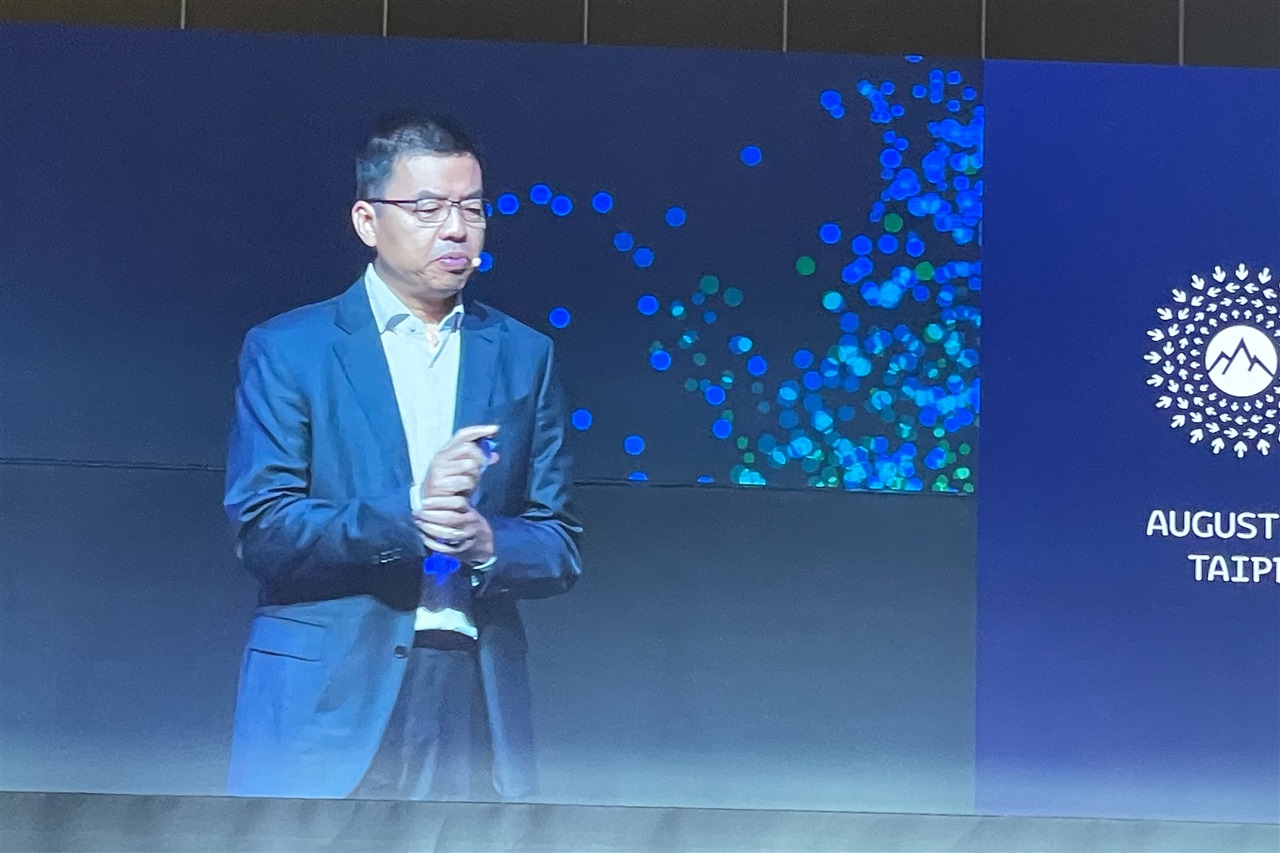
Tech companies are raising unprecedented sums for AI infrastructure—$194 billion so far in 2026 by just four f…

Broadcom CEO Hock Tan reaffirmed in early June that the company expects fiscal 2027 AI semiconductor revenue o…
Nvidia has partnered with Apollo, BlackRock, Blackstone, Brookfield, Goldman Sachs, and KKR to raise $500bn in…
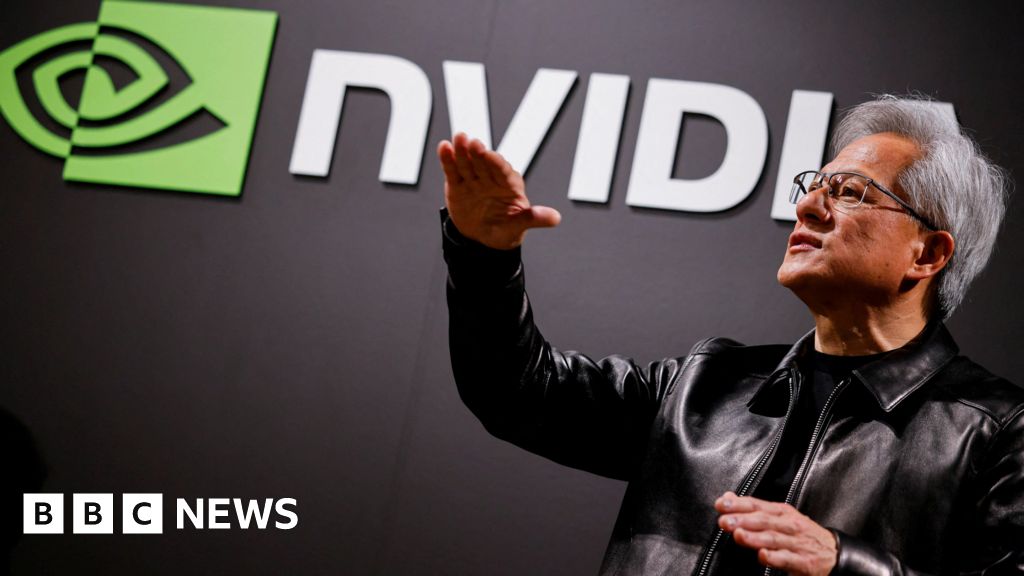
Nvidia has signed letters of intent with Apollo, BlackRock, Blackstone, Brookfield, Goldman Sachs, and KKR to…

Anthropic has signed the EU AI Act Code of Practice and will embed invisible watermarks in Claude-generated te…

The AI news that matters, in one minute each morning.
Sign up free