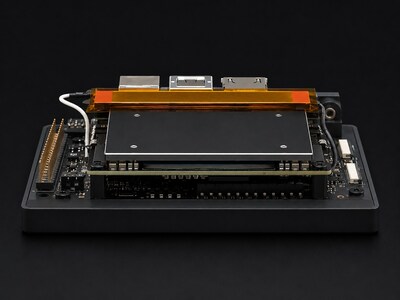
YPlasma integrated and tested a dielectric barrier discharge (DBD) plasma cooling module on the NVIDIA Jetson Orin Nano, replacing the rotary fan with a 200 micrometer flexible actuator film that is 40 to 60 times thinner than the 8 to 12 mm micro-fans it replaces. The technology was on display at Booth I0601, Hall 1, TaiNEX 1.
The cooling solution generates ionic wind (directed airflow produced by ionizing air under high-voltage AC excitation) without moving parts, audible noise, vibration, or dust ingestion paths, enabling operation inside a Z-height envelope that conventional rotary cooling cannot reach.
This is YPlasma's second public proof point following a noiseless laptop unveiled at CES 2026, and addresses thermal demands of continuous, 24/7 Agentic AI (self-directing AI) workloads in sealed, vibration-sensitive, and acoustically constrained edge deployments where passive heatsinks throttle and rotary fans are a dominant field-failure mode.
Ask the AI about this article →
For example, today's edition would include:
AI-summarized, only the topics you pick — one digest a day via Email, Slack, or Discord.
Free · takes 30 seconds · unsubscribe anytimeWhat is AIToday? →
Ask AI anything about this article. Q&As are published on this page for other readers too.
Phonely Ltd. launched Alma, a large language AI model built for voice agents and trained on over 10 million re…

Aranya Inc., a startup founded last year, launched today with $11 million in funding

CBTS Technology Solutions LLC launched Forge Agents, a platform that turns a plain-language job description in…

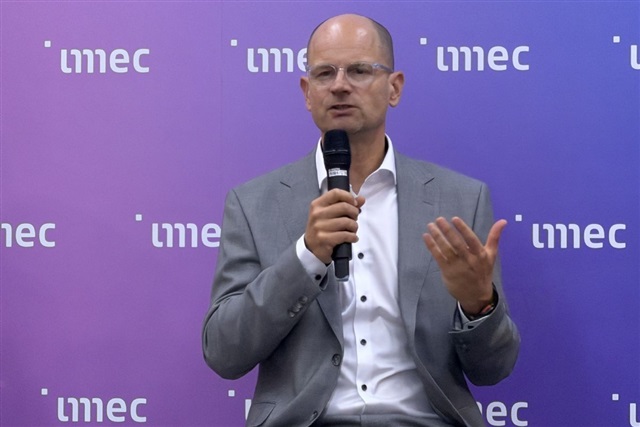
Imec CEO Patrick Vandenameele said at SEMICON Taiwan 2026 that the Belgian research center is broadening its c…
Alphabet's AI Overviews now reach over 2.5 billion monthly users through Google Search, and its ad business ge…

Sarah O’Connor's book 'We Are Not Machines' explores how mechanization and AI have transformed the workforce…