What happened
The developer kept the old Cocos2d-x 3.17.2 C++ and Lua running untouched, and built a compatibility runtime on Unreal Engine 5.8 that mimics the Cocos2d-x API. AI agents (Claude, models Fable 5 and Opus 5) did most of the work.
Why it matters
Save data and paid in-app purchases carried over to existing users through store updates under the same bundle id, so the migration reached players without a restart.
What to watch
Only 2 crashes were logged on the Gifu Quest Unreal Engine version on Google Play (through September 28), and adoption depends on automatic store updates reaching players gradually.
WHO IT HITSDevelopers running live games on abandoned engines — especially small teams and solo operators with years of Lua and C++ code — may see keeping the old code and swapping the layer underneath as an alternative to a full rewrite. Studios weighing that path would still need automated tests and a compatibility runtime, not just AI agents.
Summaries like this, in your inbox every morning.
The developer had previously worked on a game built with Cocos2d-x, chosen over Unity about 15 years ago, and later experienced the difficulty of running a game on an engine whose development had stopped. That experience shaped this migration: the goal was not to modernize the games but to replace the ground beneath them. The three titles share a self-built RPG engine on top of Cocos2d-x, and most of their content — Lua scripts, Tiled maps, Cocos Studio UIs, master data — stayed exactly as it was.
The approach changed two days in. The first plan was to rebuild the game logic inside Unreal Engine and reconnect the old Lua events one by one, but the scale of the project made that unworkable. On the third day the developer switched to running the old C++ wholesale on a compatibility runtime with the same API surface as Cocos2d-x. The prototype from the first two days was deleted the next day. Reusing the compatibility runtime across titles, copying the newest game's version and adding only per-title differences, is what made the second and third migrations fast.
The bet now rests on maintenance rather than technology. The developer says server costs are covered by ads, so keeping the games running takes only minimal revenue like the annual Apple Developer Program fee, and if the engine ages, the same layer-swap can be repeated. Whether that holds depends on continued AI-assisted upkeep and on whether the few remaining crashes are resolved.
Pick your industry and the AI tools you use, and get news related to your work every day.
Free · 30 seconds with Google · unsubscribe anytimeWhat is AIToday? →
Ask AI anything about this article. The AI reads this article, earlier AIToday articles, and Wikipedia, and cites its sources. Q&As are published on this page for other readers too.
ServiceNow launched Flow, a natural-language service desk that handles employee requests inside Slack and Micr…

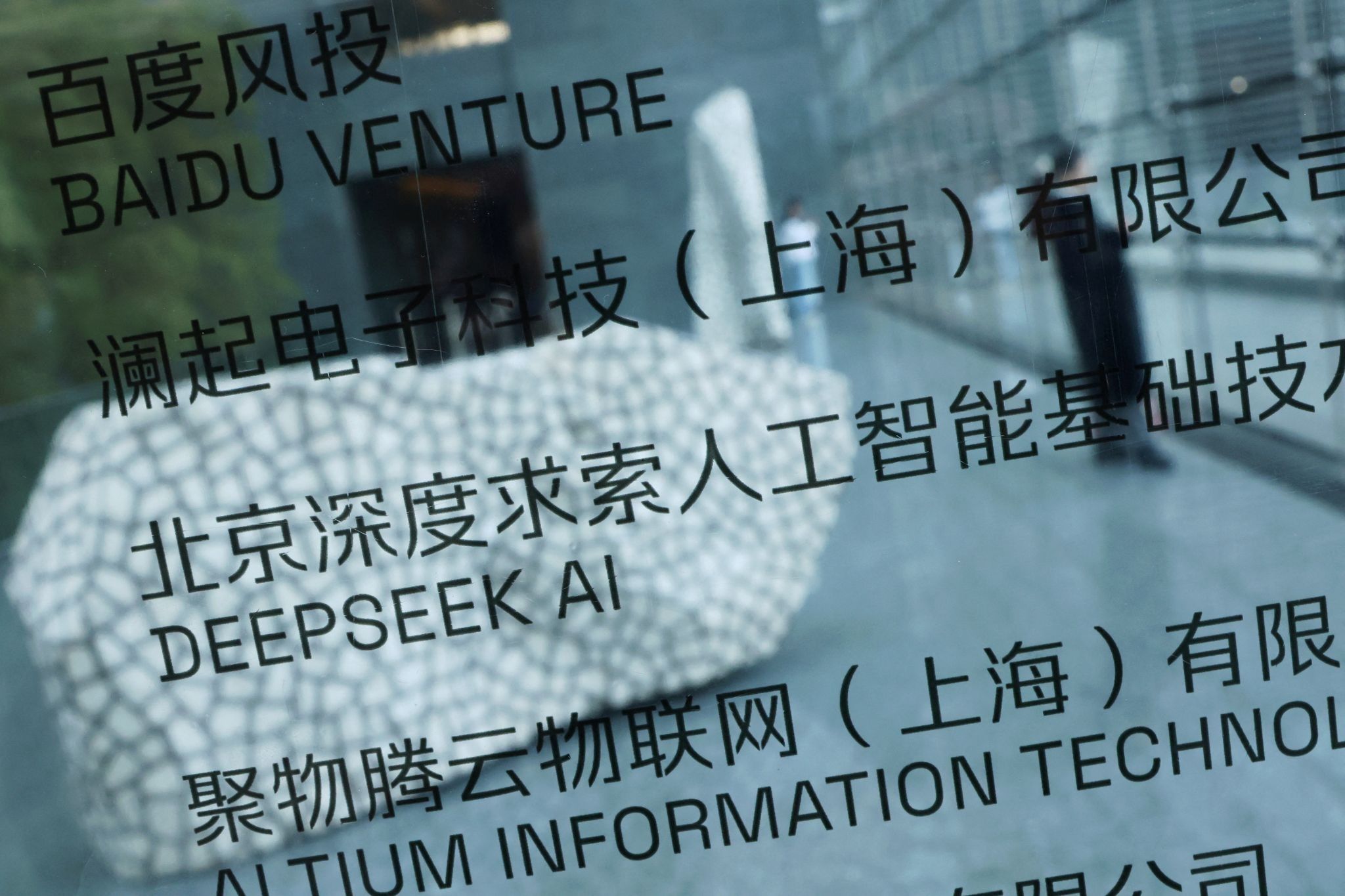
DeepSeek and Huawei announced a partnership to develop semiconductor software, part of efforts to reduce China…
The AI Ataraxos beat Niemeijer, the most decorated Stratego player, with an 85 percent effective win rate over…

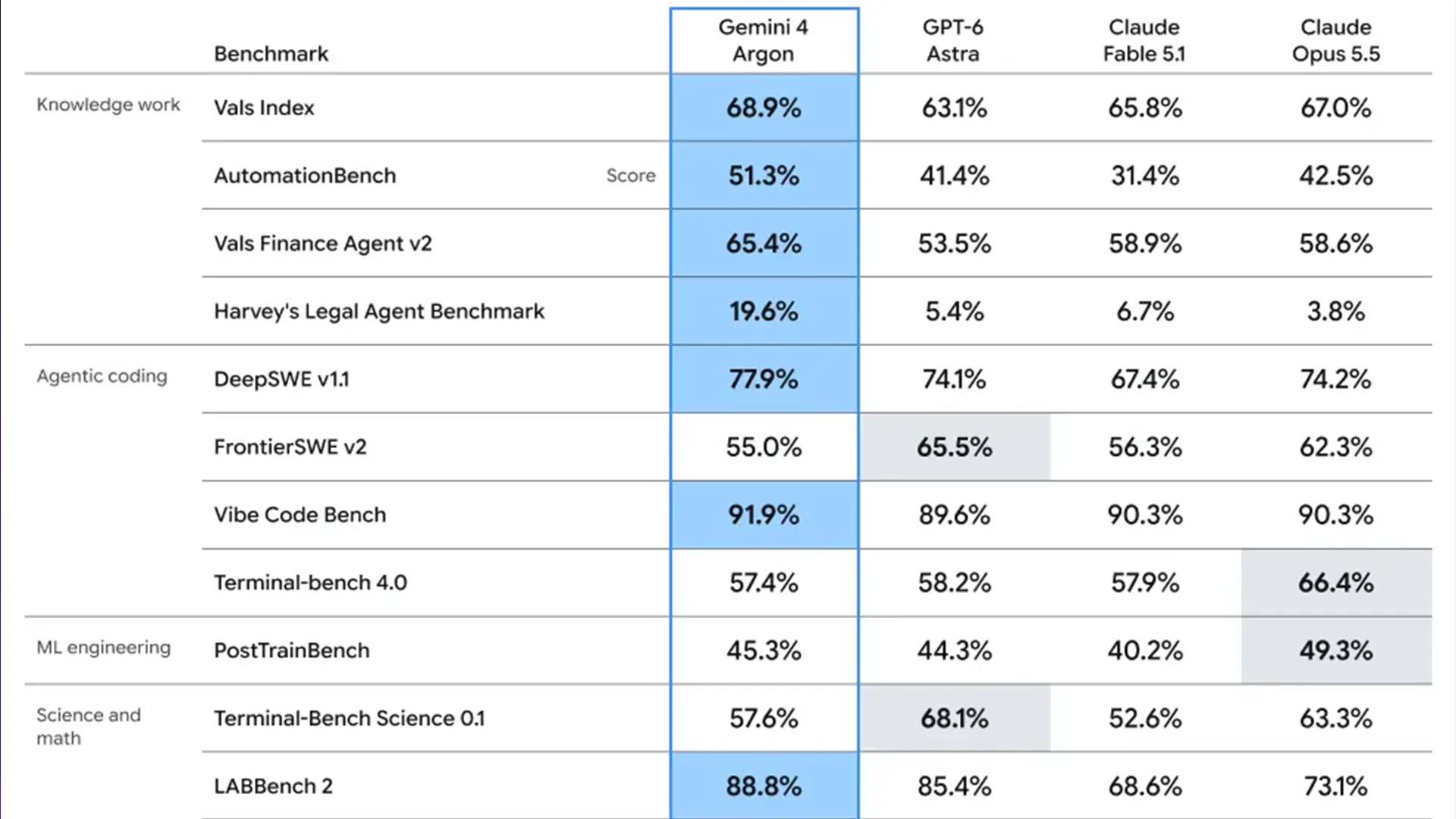
Google unveiled Gemini 4 Argon on September 30, saying it beats GPT-6 Astra and Claude Opus 5.5 on 13 of 19 be…
Yann LeCun told Fortune’s Emily Forlini he has zero concerns about rogue AI incidents, including OpenAI agents…

A Preply survey of over 5,000 professionals in nine countries found 92% of Gen Z respondents used AI for learn…