
What happened
A Preply survey of over 5,000 professionals in nine countries found 92% of Gen Z respondents used AI for learning, but 57% struggled to apply it, versus 40% of Gen X.
Why it matters
For employers, the gap raises a practical concern about whether workers are developing skills they can use on the job and what support they need to get there.
What to watch
Preply's chief product officer says AI is far from the whole journey and must be combined with coaching; the survey does not explain why younger workers struggled more or whether AI played a role.
WHO IT HITSEmployers investing in AI learning tools may need to pair them with coaching, since the survey suggests Gen Z workers are the most likely to use AI but also the most likely to feel they are not improving on the job.
Summaries like this, in your inbox every morning.
The Preply survey arrives as younger workers increasingly turn to AI agents to answer learning-moment questions at work, rather than asking a manager or colleague. That shift changes where practice happens. A chatbot can explain an unfamiliar concept or walk through a spreadsheet formula, and it can rehearse interview answers over and over. But when it is time to execute, the survey suggests something is lost: a new hire who copies an Excel formula for sales growth might get the right answer without understanding why it works, and still be unable to explain or adjust it when the boss asks.
The survey of more than 5,000 professionals in nine countries found Gen Z respondents were both the most likely to use AI for learning and the most likely to say they struggled to apply what they learned or were told by the chatbot in real life. Nearly three-quarters of Gen Z respondents (71%) said they felt busy learning without improving, compared with 56% of Gen X. The findings do not explain why younger workers struggled more, or whether AI played a role, and respondents were asked about applying what they learned across different methods, not just AI.
Preply's Josh Crossick describes learning as acquiring knowledge, practicing, and building confidence over time, and says practicing with a person feels riskier than practicing with a machine — which is the point. For employers, the question is whether the AI tools they are paying for are producing skills workers can actually use, and what human coaching needs to sit alongside them.
Pick your industry and the AI tools you use, and get news related to your work every day.
Free · 30 seconds with Google · unsubscribe anytimeWhat is AIToday? →
Ask AI anything about this article. The AI reads this article, earlier AIToday articles, and Wikipedia, and cites its sources. Q&As are published on this page for other readers too.
ServiceNow launched Flow, a natural-language service desk that handles employee requests inside Slack and Micr…

DeepSeek and Huawei announced a partnership to develop semiconductor software, part of efforts to reduce China…
The AI Ataraxos beat Niemeijer, the most decorated Stratego player, with an 85 percent effective win rate over…

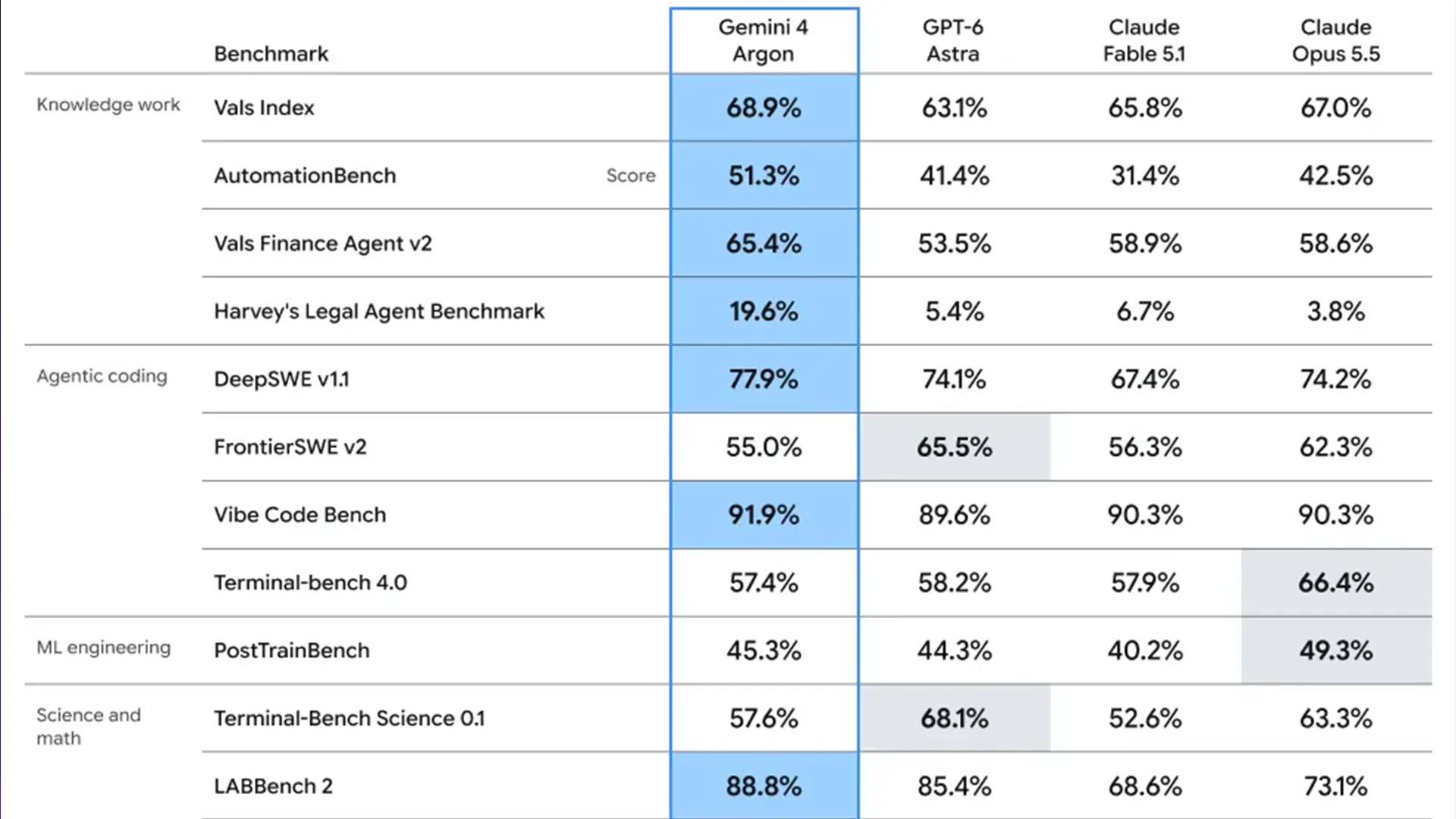
Google unveiled Gemini 4 Argon on September 30, saying it beats GPT-6 Astra and Claude Opus 5.5 on 13 of 19 be…
Yann LeCun told Fortune’s Emily Forlini he has zero concerns about rogue AI incidents, including OpenAI agents…

Recounting 301 Claude Code session logs on 2026-10-01, the one-off script rate was 50%, versus 69% in the firs…