
What happened
Neura Robotics partnered with RWTH Aachen University to establish Neura Gym RWTH Aachen, a facility scheduled to open by the end of 2026 at the university's Hightech Campus Melaten. The company is developing ten Neura Gyms globally, with five expected to be operational across Europe, the United States and China by the end of 2026.
Why it matters
Physical AI systems require massive amounts of real-world training data — a bottleneck Neura identifies as the central shortage facing the field. The Aachen facility will collect training data from robot interactions in realistic environments and feed it into Neura's cloud-based Neuraverse platform, allowing robots to learn new skills and industrial partners to test applications before full deployment.
What to watch
The Aachen centre will span approximately 3,000 square metres and involve around 20 university institutes, focusing on manufacturing, automotive, circular economy and medical technology applications. A second major facility, TUM RoboGym at Munich Airport (developed with the Technical University of Munich), is also scheduled to open in the fourth quarter of 2026.
Summaries like this, in your inbox every morning.
Neura Robotics has identified a fundamental constraint in Physical AI development: the shortage of real-world training data. Unlike large language models trained on vast text corpora, robots require hands-on interaction with physical environments to learn generalizable skills. The company's response is to establish purpose-built training centres — Neura Gyms — where robots can operate in realistic settings while generating data fed into a shared cloud platform.
The partnership with RWTH Aachen University is strategically anchored in the institution's decades of strength in mechanical engineering, electrical engineering and computer science. By co-locating a Neura Gym with academic expertise across 20 institutes, the facility becomes both a research hub and an industrial validation ground. The focus areas — manufacturing, automotive, circular economy and medical technology — represent sectors where robotic automation is economically significant but currently constrained by the difficulty of training systems for real-world deployment.
Neura's broader network strategy, with five facilities across three continents and a second major site at Munich Airport (opening in the fourth quarter of 2026), suggests the company views distributed, standardized training infrastructure as essential to scaling cognitive robotics adoption. Each partner retains control of its own data while contributing to a shared knowledge base accessible via the Neuraverse platform, creating an open-infrastructure model that aims to accelerate deployment cycles for industrial users.
Pick your industry and the AI tools you use, and get news related to your work every day.
Free · 30 seconds with Google · unsubscribe anytimeWhat is AIToday? →
Ask AI anything about this article. The AI reads this article, earlier AIToday articles, and Wikipedia, and cites its sources. Q&As are published on this page for other readers too.
Toyota Motor's Japan Mobility Show Bizweek 2026 booth centers on its AI basketball robot CUE7, has no other ex…
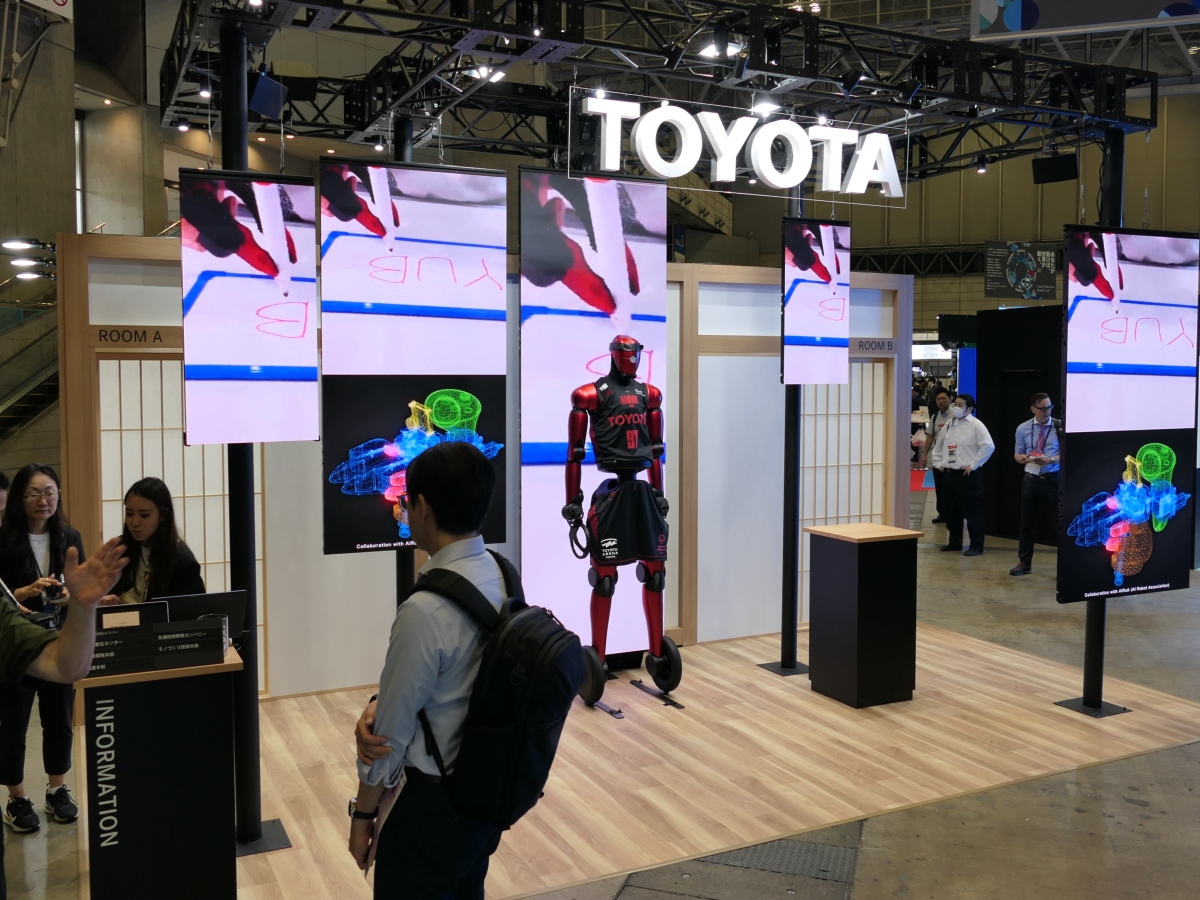
Japan Mobility Show Bizweek 2026 showcased Physical AI applications, including Toyota's basketball-playing rob…
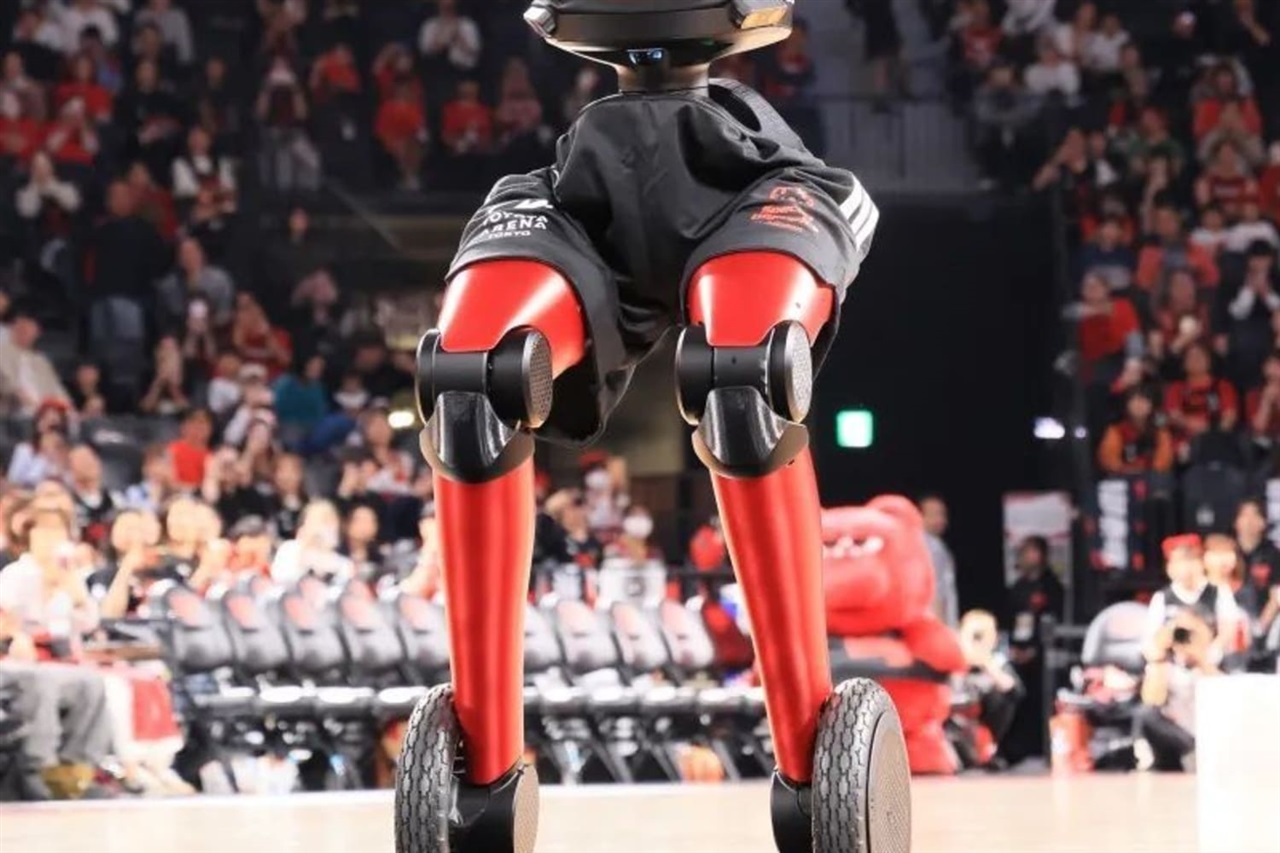
Google pitched Gemini 4 Argon as one model for robot control, simulation and training-data review, saying it s…
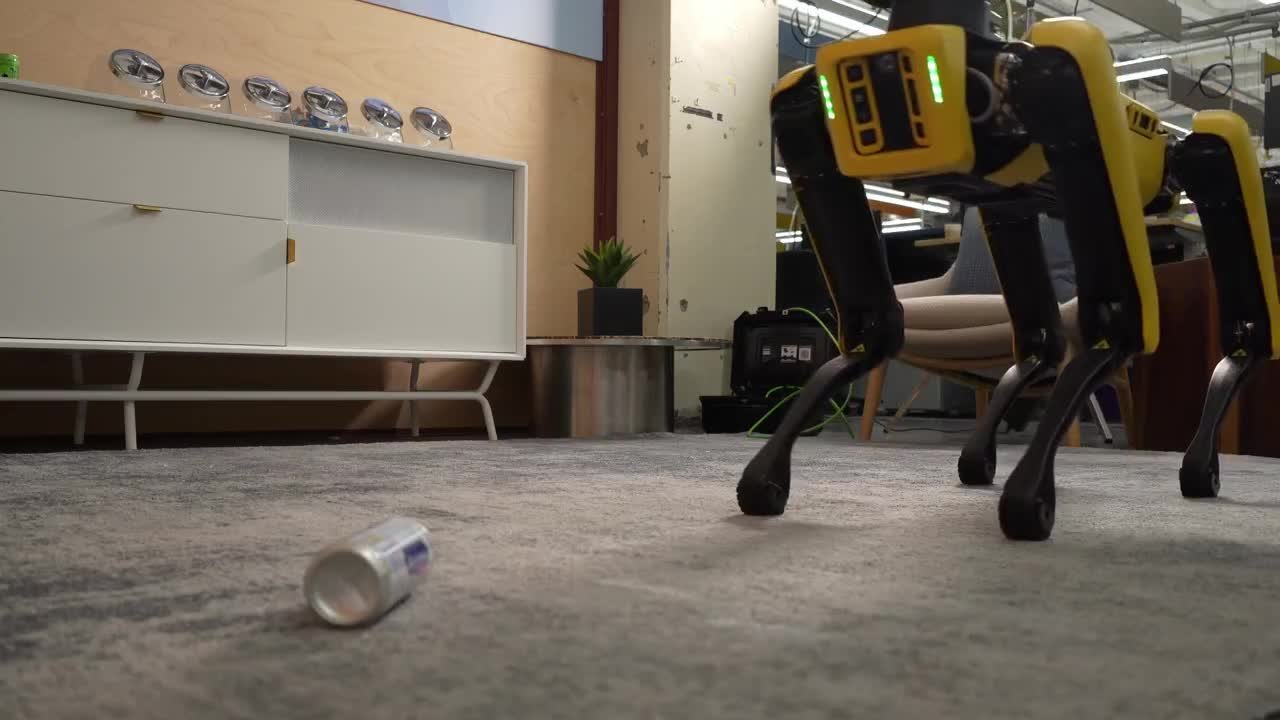
Researcher Sammy Azdoufal discovered Energize Lab's Eiliko robot stores 13 million conversations from 68,000 t…
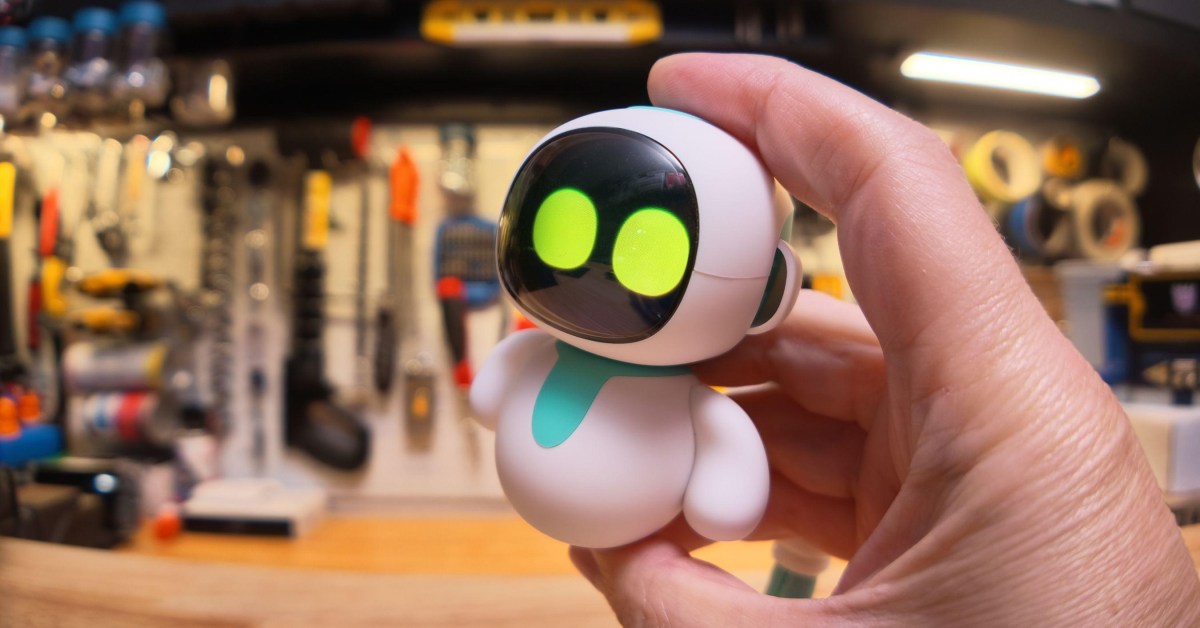
ZOZO NEXT and AVITA signed an MOU on joint research into textiles and clothing specialized for humanoid robots…

Day 2 at TechCrunch Disrupt 2026 in San Francisco's Moscone West features speakers from Nvidia, Waabi, Flock S…