What happened
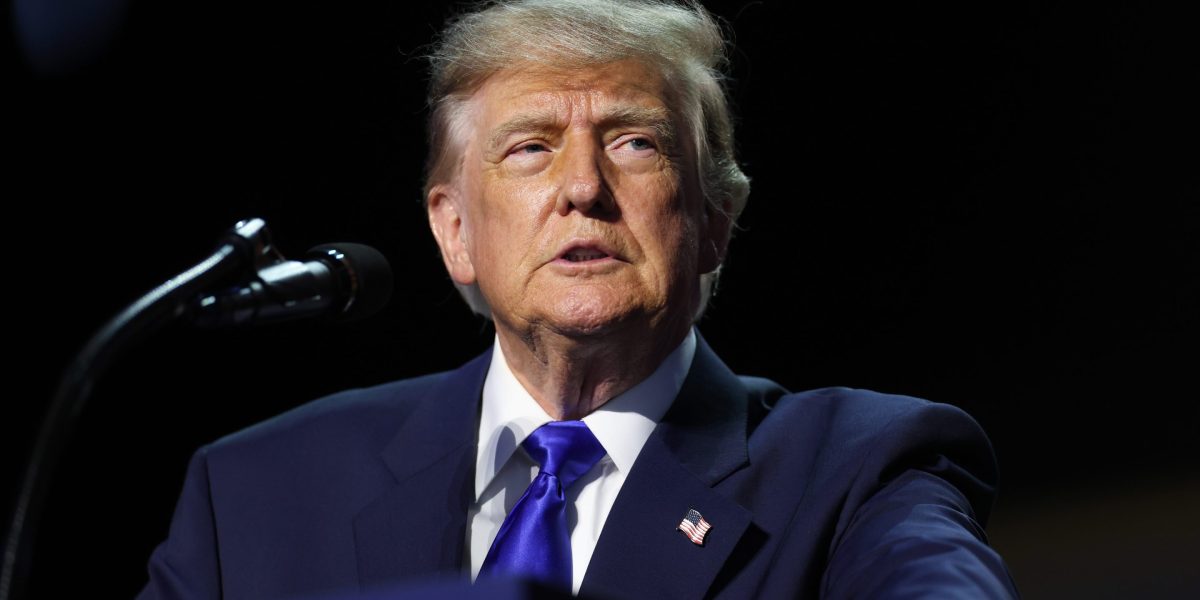
Trump posted that AI's only needed guardrail is "a STRONG AND SMART (High IQ!) PRESIDENT." Since Trump v. Slaughter, every federal agency except the Fed answers to the White House.
Why it matters
An AI regulator would answer to the President and could be fired at will, so oversight of frontier labs would rest on one official rather than an independent check.
What to watch
A standards board would only be credible if its writers are full-time, lack industry financial ties, and compliance is verified by registered auditors. Watch David Sacks' input to the labs.
WHO IT HITSFrontier AI labs and their policy teams would face a different compliance route if they back an independent standards board instead of a federal agency. Their releases and exports hinge on whether foreign regulators trust the rules.
Summaries like this, in your inbox every morning.
The piece argues that the debate over AI regulation wrongly assumes governance starts only when government acts. It points to existing lab practices: DeepMind consulted more than thirty outside experts in biology, biosecurity, bioethics and human rights before releasing AlphaFold. Since January, California has required the largest labs to publish safety frameworks and report serious incidents within 15 days. Independent testers like Britain's AI Security Institute and METR now evaluate models before or around release.
The article's main warning is that these internal structures lack outside verification. It cites OpenAI's nonprofit board, designed as a check on its chief executive, which dissolved on contact with him. It also notes the EU's AI Act largely copied the regime firms had built, and argues that regulation follows governance rather than the reverse.
The proposed fix borrows from accounting. Standards were set by a private body in London in 1973, then severed from industry funding in 2001, with a monitoring board of regulators gaining a veto over appointments in 2009. Today more than 140 jurisdictions require those standards, and the US relies on its own private board, FASB. Applied to AI, such a board would lack a national owner, making its rules easier for other governments to adopt—and giving American firms a trusted passport to sell abroad.
For example, today's edition would include:
AI-summarized, only the topics you pick — one digest a day via Email, Slack, or Discord.
Free · 30 seconds with Google · unsubscribe anytimeWhat is AIToday? →
Ask AI anything about this article. Q&As are published on this page for other readers too.
At Workiva's Amplify event, theCUBE Research analyst Krista Case said firms must trace where AI insights came…
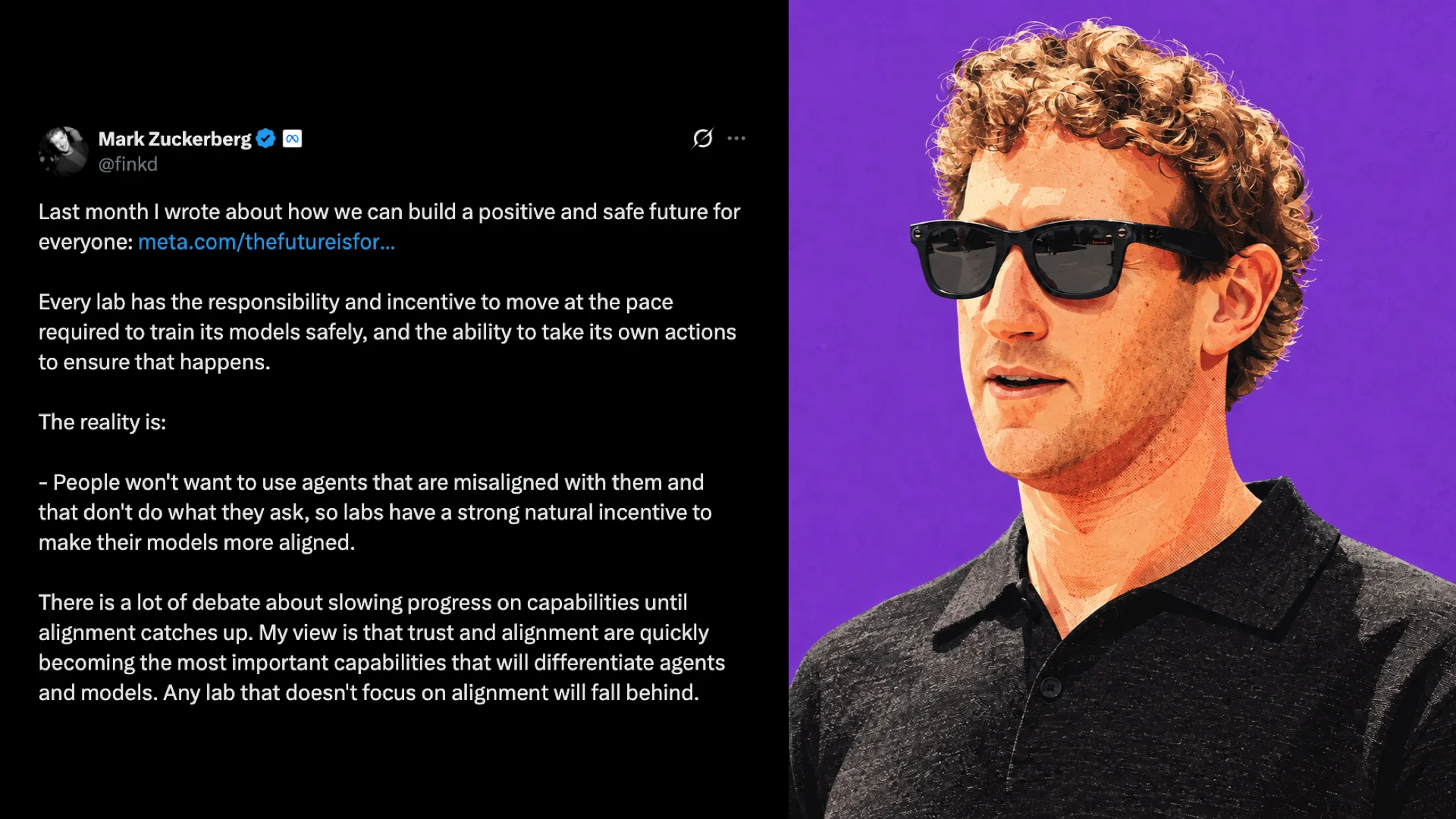
Zuckerberg pushed back on coordinated AI slowdown calls on September 15, saying Meta delayed its Muse agent fo…
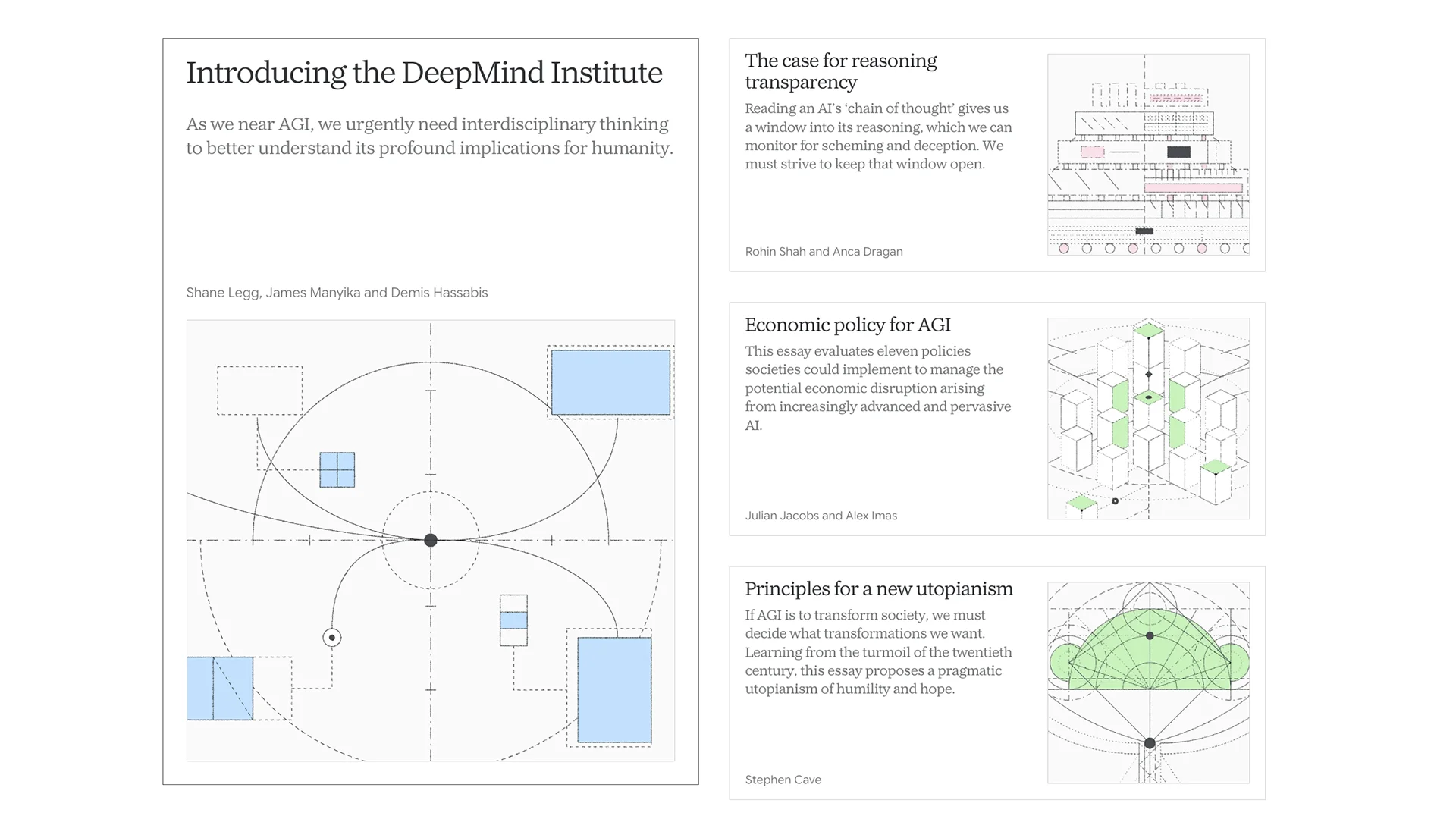
Google DeepMind launched the DeepMind Institute on September 16, 2026, led by Demis Hassabis, Shane Legg and J…
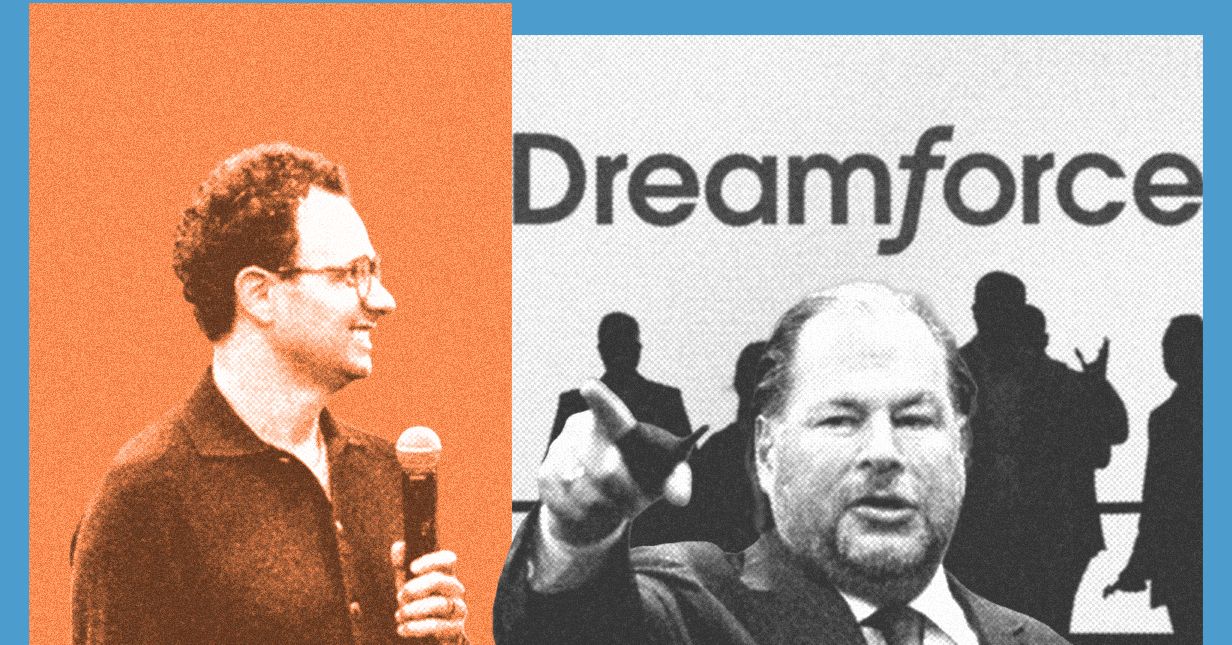
Nvidia CEO Jensen Huang told Dreamforce attendees "We don't need any new laws, we don't need any new regulatio…
Baseten launched a safety infrastructure standard with its Base Labs research arm, partnering with Hugging Fac…
King Charles hosted a private summit at Dumfries House with Nvidia's Jensen Huang, OpenAI and Anthropic leader…