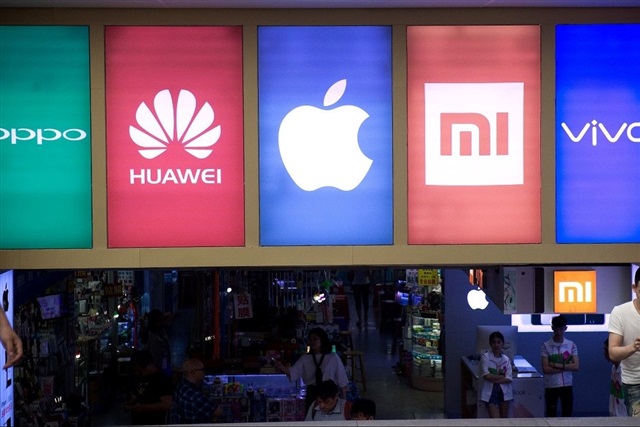
Xiaomi and Huawei are publicly arguing over large language models in China's smartphone AI market, signaling growing competition to control how users access AI agents on their phones.
This clash reveals that Chinese phone makers view AI positioning as critical to their market strategy, even as Apple, Google, and Samsung Electronics pursue different paths to the same goal.
What happened
Xiaomi and Huawei have engaged in a public dispute over large language models in China's smartphone market, reflecting broader tension over how phone makers position AI features to users.
Why it matters
The conflict exposes anxiety among Chinese phone manufacturers about capturing the AI agent entry point — the first place users interact with AI-powered workflows — while global competitors Apple, Google, and Samsung Electronics are pursuing their own distinct AI strategies.
What to watch
The outcome will likely shape how Chinese smartphone makers differentiate their AI offerings and whether they can compete with Apple, Google, and Samsung's integrated AI approaches.
Ask the AI about this article →
For example, today's edition would include:
AI-summarized, only the topics you pick — one digest a day via Email, Slack, or Discord.
Free · takes 30 seconds · unsubscribe anytimeWhat is AIToday? →
Ask AI anything about this article. Q&As are published on this page for other readers too.
Phonely Ltd. launched Alma, a large language AI model built for voice agents and trained on over 10 million re…

Aranya Inc., a startup founded last year, launched today with $11 million in funding

CBTS Technology Solutions LLC launched Forge Agents, a platform that turns a plain-language job description in…

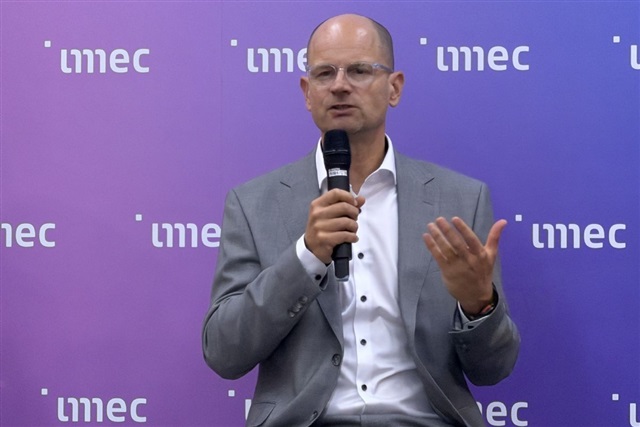
Imec CEO Patrick Vandenameele said at SEMICON Taiwan 2026 that the Belgian research center is broadening its c…
Alphabet's AI Overviews now reach over 2.5 billion monthly users through Google Search, and its ad business ge…

Sarah O’Connor's book 'We Are Not Machines' explores how mechanization and AI have transformed the workforce…