What happened
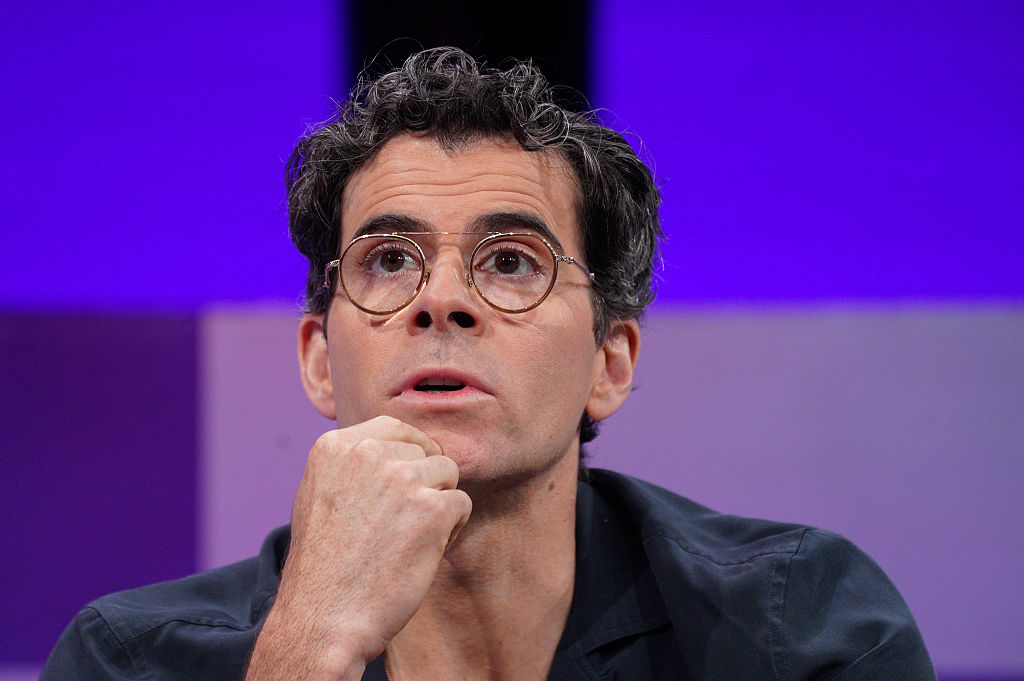
Instagram head Adam Mosseri said in a recent interview that Meta will probably need to impose per-engineer caps on AI token spending within a year or two, as the cost of processing AI prompts could soon match or exceed an engineer's salary. Meta shut down an internal AI token spend leaderboard after costs put the company on track for billions of dollars in 2026.
Why it matters
AI token costs—the price of running AI prompts and responses—have become a material business expense across major tech firms. Uber exhausted its 2026 AI coding budget by April, and Microsoft cancelled Claude Code licenses to consolidate engineers around its own Copilot tool. Mossori frames token budgets as a resource allocation problem similar to payroll or operating expenses, suggesting that managing AI spend is becoming as critical as managing traditional cost centers.
What to watch
Mossori expects token costs to decline as AI model makers enter a pricing war, but believes caps will need to be proportional to each engineer's track record of ROI-positive use. Meta currently has no token caps in place for employees.
Summaries like this, in your inbox every morning.
AI token spending has emerged as a material operational challenge for major technology companies in 2025–2026. Meta's shutdown of its internal token spend leaderboard—a metric that gamified resource consumption—signals that unconstrained AI experimentation can quickly become expensive. Mossori's framing of token budgets alongside payroll, GPU allocation, and operating expenses reflects a broader industry shift: AI is no longer a nascent experimental domain but a cost line item requiring disciplined resource management, much like traditional infrastructure and labor.
The timing Mossori suggests—one to two years before caps become necessary—appears grounded in the observation that token costs are rising faster than engineer salaries. However, he also expects competitive pricing pressure among AI model providers to eventually bring costs down, which could delay or reduce the need for hard caps. In the interim, Meta has already taken steps by eliminating internal token-burning activities, a pragmatic approach to cost control without formal caps.
Pick your industry and the AI tools you use, and get news related to your work every day.
Free · 30 seconds with Google · unsubscribe anytimeWhat is AIToday? →
Ask AI anything about this article. The AI reads this article, earlier AIToday articles, and Wikipedia, and cites its sources. Q&As are published on this page for other readers too.
A non-engineer operator says one person ships four smartphone apps on Google Play, three on the App Store, wit…

The walkthrough points the CLI at a local mock via the ANTHROPIC_BASE_URL environment variable
A Zenn guide explains systems to install before letting AI agents, bots or scheduled jobs post, send, publish…
A developer released agent-guardrails, a one-script Python standard-library plugin that guards Bash, Write, Ed…
Researchers at Microsoft published a paper titled "Adoption and Impact of Command-Line AI Coding Agents: A Stu…
Meta released open weights for Muse Spark Open, an 816B-parameter model built for coding and long-running agen…