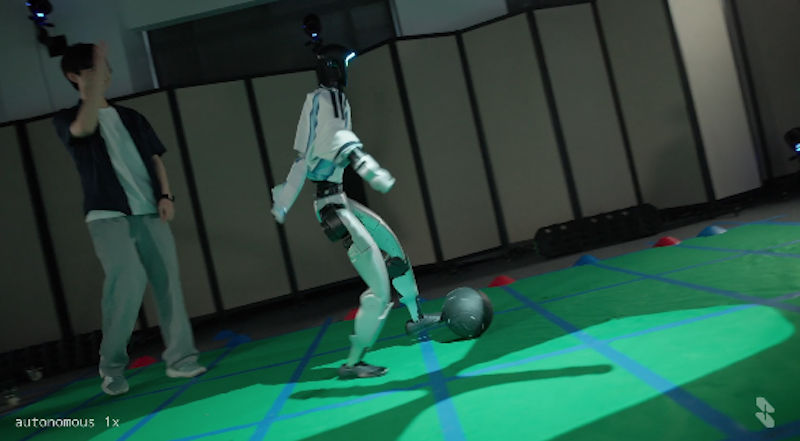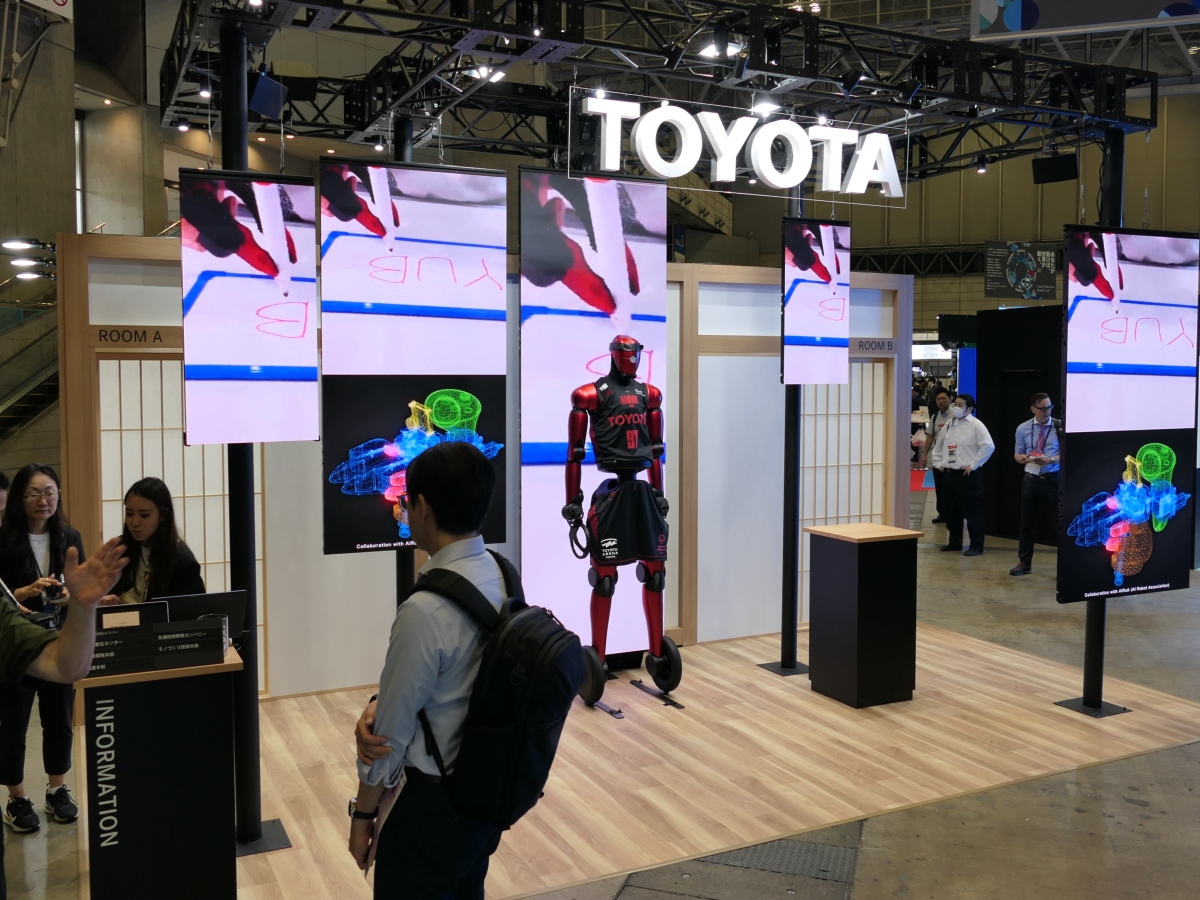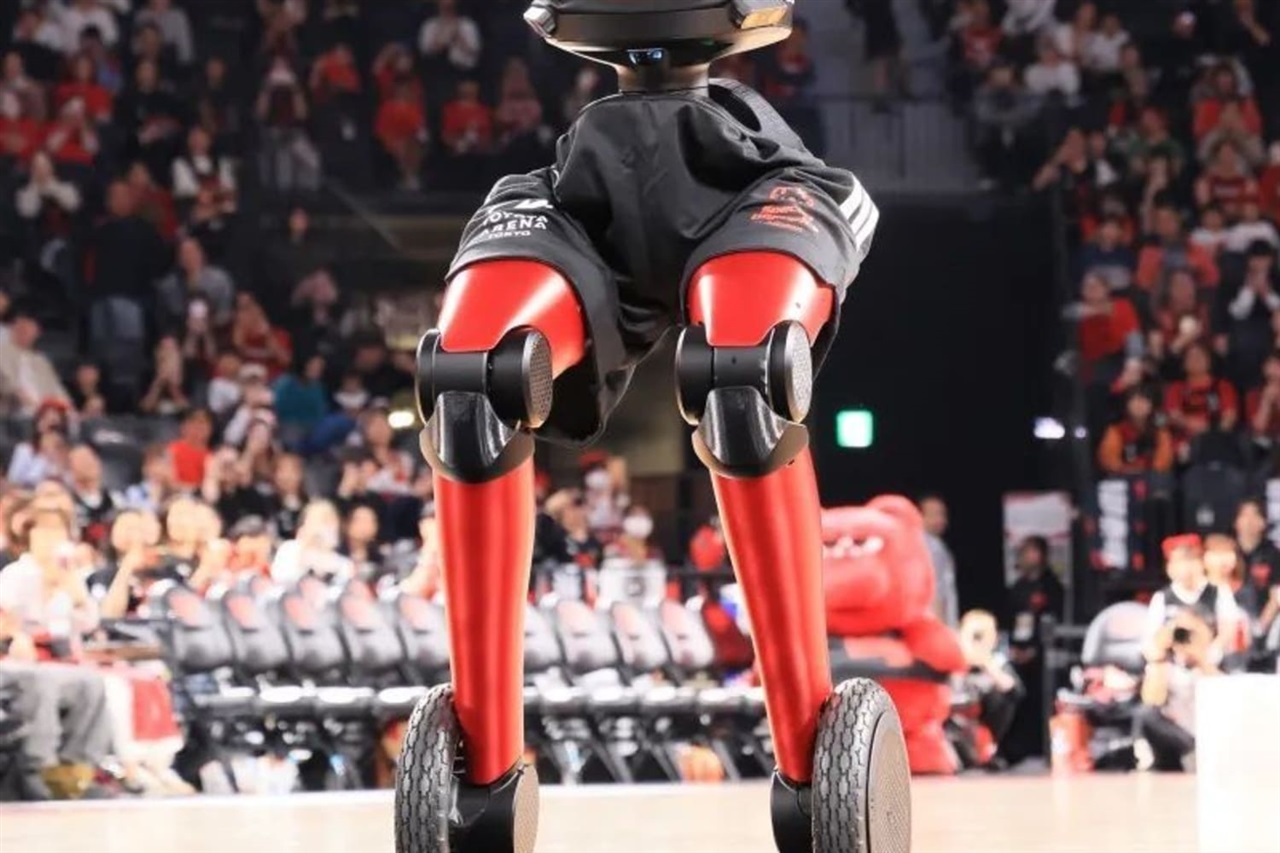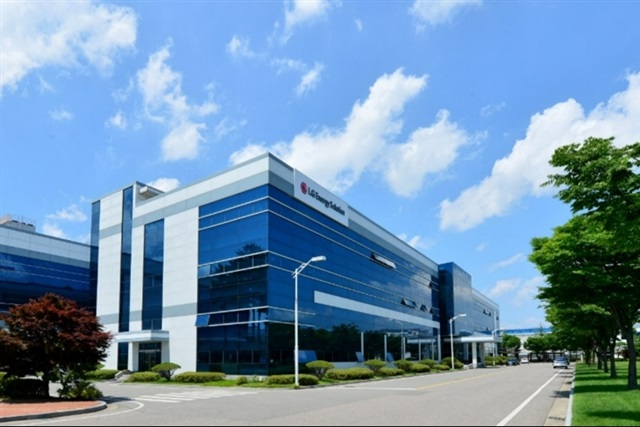
LG Energy Solution is positioning itself as a battery supplier for humanoid robots, shifting its focus from electric vehicles to systems that demand high-performance batteries with tighter space, weight, and runtime constraints. The move reflects a broader market transition as companies like Tesla begin deploying humanoid robots, creating new demand for specialized battery technology.
Summaries like this, in your inbox every morning.
Sign up free →What happened
LG Energy Solution is positioning itself as a key battery supplier for humanoid robots, shifting focus from the electric vehicle market to physical AI systems that have different space, weight, and runtime requirements.
Why it matters
Humanoid robots demand high-performance batteries with tighter constraints than traditional EV batteries, meaning battery makers must adapt their technology and supply chains to capture this emerging segment—particularly as major players like Tesla begin deploying robots at scale.
What to watch
The body does not specify a timeline, pricing, or confirmed robot models LGES will supply; the significance hinges on whether LGES can secure supply agreements before Tesla Optimus and other humanoid platforms establish their own battery partnerships.
The battery market is undergoing a structural shift away from electric vehicles toward physical AI systems—specifically humanoid robots—that impose fundamentally different engineering constraints. LG Energy Solution's move to target this sector reflects a recognition that traditional EV battery design, optimized for large vehicles with ample packaging space, does not meet the tight dimensional and weight budgets of mobile robotic systems.
This transition is being driven by the imminent commercialization of humanoid robots, most prominently Tesla's Optimus. As major technology and automotive companies move from prototype to production deployment, their battery suppliers face a critical window to establish partnerships and prove their technology. LGES's strategy appears to anticipate that hardware-constrained robotics will become a major revenue stream, rivaling or exceeding automotive batteries in strategic importance. The body does not detail LGES's technical readiness or any signed supply agreements, so the success of this pivot remains contingent on the company's ability to deliver batteries that meet the exacting requirements of next-generation physical AI platforms.
No comments yet. Be the first to share your thoughts!
Log in to join the discussion


Get curated AI news from 200+ sources delivered daily to your inbox. Free to use.
Get Started FreeFree · takes 30 seconds · unsubscribe anytime
1 minute a day. The AI essentials.
200+ sources · Email / LINE / Slack