What happened
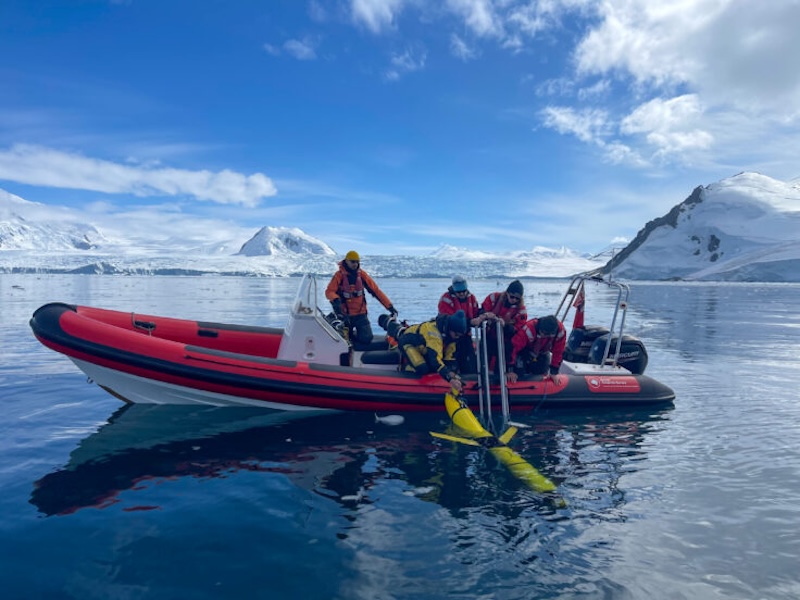
British Antarctic Survey and partner organizations are deploying autonomous underwater gliders, submarines, drones, and surface vessels across the Arctic and Antarctic to collect scientific data over weeks and months in environments too dangerous or remote for human researchers. Examples include Boaty McBoatface (an autonomous submarine), Meltstake (a platform that screws into glacier faces 100–200 metres below the waterline), and drone-in-a-box systems stationed permanently on islands.
Why it matters
These systems are allowing researchers to monitor glaciers, oceans, wildlife, and climate processes at scales previously impossible without crewed aircraft and ships. Autonomous gliders provide much longer and higher-resolution observations of phenomena like 'internal tsunamis' (waves created when glacier ice calving mixes heat and nutrients through water). The approach dramatically reduces fuel logistics—geological surveys that once required 200 drums of fuel for a crewed aircraft now need only 20 for a Windracer drone—and frees crewed assets for other critical work.
What to watch
The Windracers ULTRA unmanned aircraft, with a 10-metre wingspan and ability to fly up to 1,000 kilometres without a pilot, is now performing geological surveys that previously required crewed aircraft. Beyond-visual-line-of-sight drone operations at South Georgia allow researchers to survey wildlife colonies spread across remote coastlines; recent surveys confirmed one king penguin colony has grown to more than 132,000 breeding pairs and revealed major declines in southern elephant seals following bird flu outbreaks. BAS director of science projects AI will become increasingly important in coordinating satellite data, models, and autonomous platforms to target missions.
Summaries like this, in your inbox every morning.
Autonomous systems have become essential to polar science because they solve a fundamental problem: much of the Arctic and Antarctic is too dangerous, too expensive, or simply inaccessible for sustained human presence. Traditional approaches—crewed ships and aircraft—are limited by logistics, cost, and risk. An oceanographer like Dr Alex Brearley can now manage underwater gliders operating thousands of miles away in the Antarctic by sending commands from Cambridge. The gliders detect phenomena like internal tsunamis with far greater resolution and duration than was possible from research ships, revealing details about how glacier calving mixes ocean water and drives climate processes.
The expansion into larger platforms—fixed-wing drones like the eBee X, larger aircraft like the Windracers ULTRA with a 10-metre wingspan and 1,000-kilometre range, and solar-powered surface vessels—reflects a shift in what autonomous systems can accomplish. Where drones once had to operate within 500 metres of a pilot, beyond-visual-line-of-sight authorization now allows researchers to survey entire coastlines and wildlife colonies that have gone unmonitored for decades. A single king penguin colony at South Georgia, revealed by these surveys, exceeds 132,000 breeding pairs. The fuel reduction alone—from 200 drums to 20—makes large-scale geophysical surveys more tractable. Professor Petra Heil, BAS director of science, anticipates that artificial intelligence will become critical to coordinating data from satellites, models, and autonomous platforms, highlighting zones of uncertainty and targeting where systems should be deployed next.
Pick your industry and the AI tools you use, and get news related to your work every day.
Free · 30 seconds with Google · unsubscribe anytimeWhat is AIToday? →
Ask AI anything about this article. The AI reads this article, earlier AIToday articles, and Wikipedia, and cites its sources. Q&As are published on this page for other readers too.
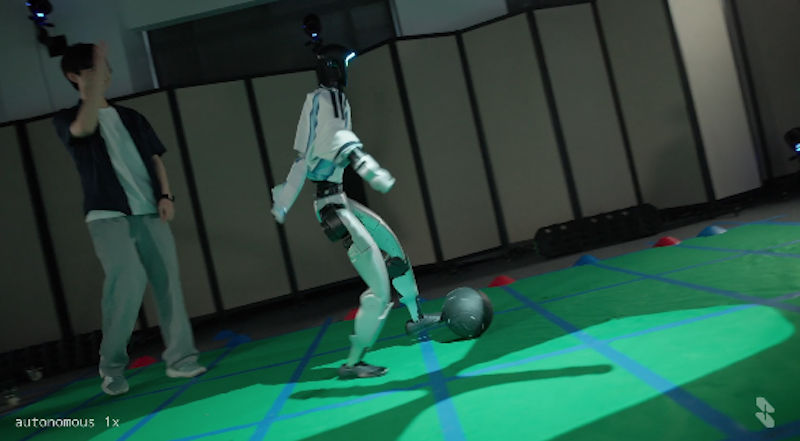
Skild AI used Nvidia Isaac Sim to give its S1 model one objective — score a goal — and let it compete against…
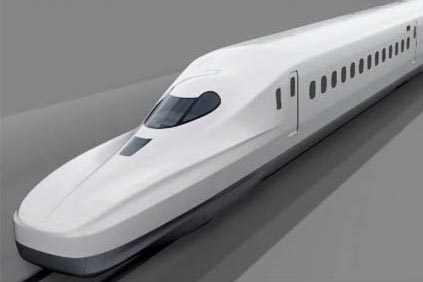
JR Central announced the S0系 on October 16, its first full model change since the N700S, with commercial servi…
Yamazaki Mazak and ABEJA said on the 16th they will start joint development of physical AI, using ABEJA's ABEJ…
The Air Force upgraded the X-62 VISTA with advanced radar, expanded sensors and computing, and modern network…
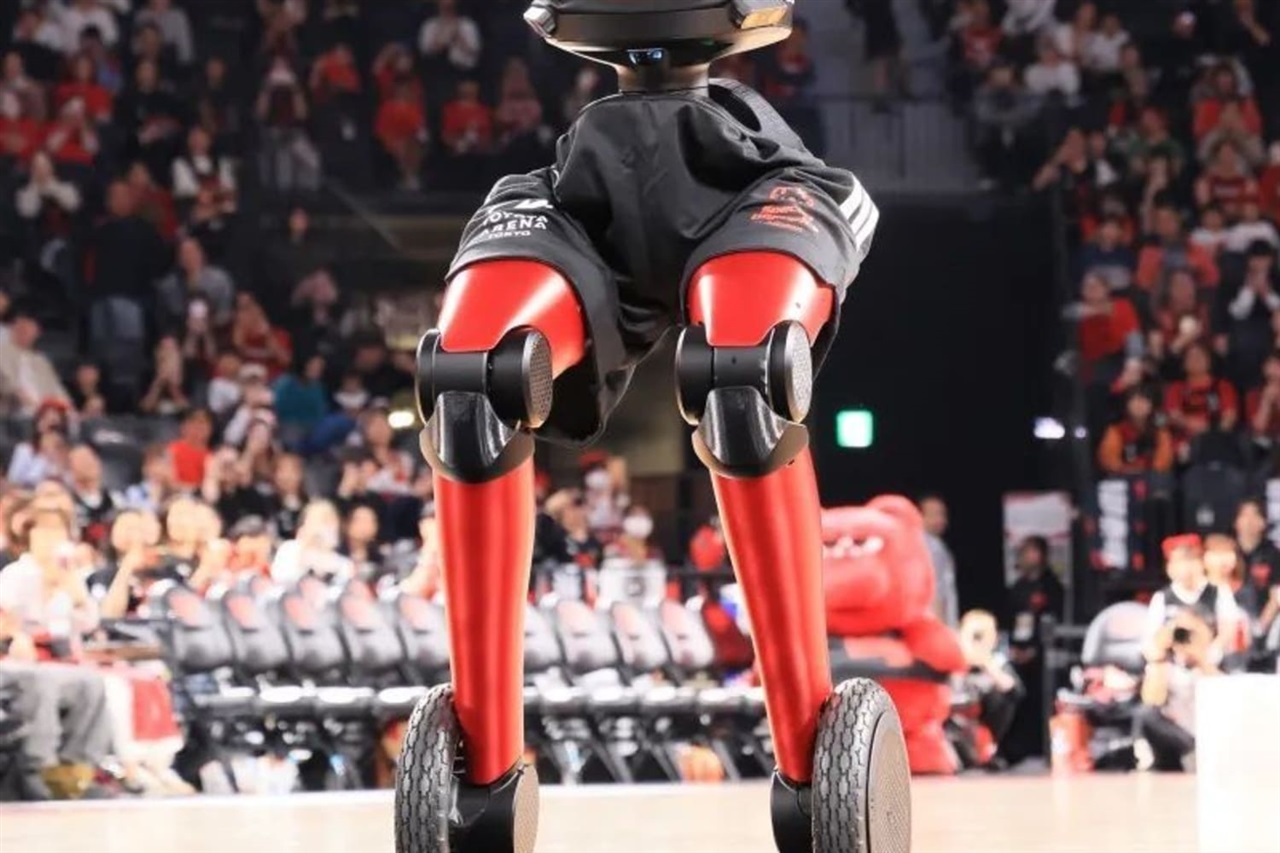
Toyota Motor's Japan Mobility Show Bizweek 2026 booth centers on its AI basketball robot CUE7, has no other ex…

Japan Mobility Show Bizweek 2026 showcased Physical AI applications, including Toyota's basketball-playing rob…