What happened
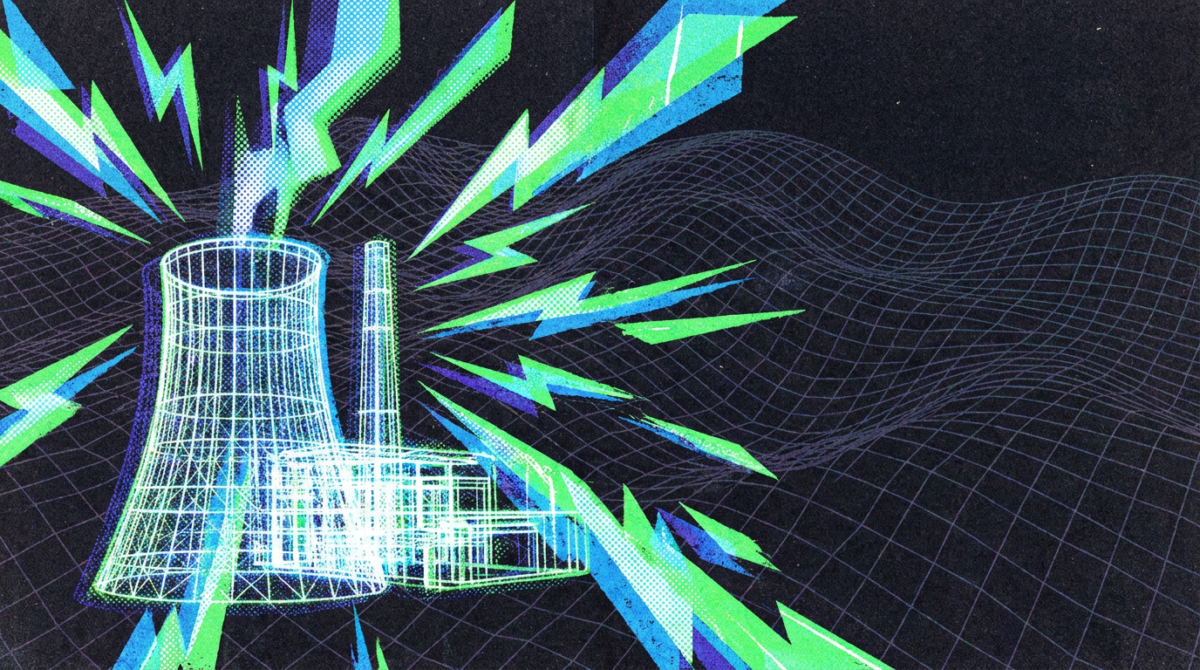
Nvidia is investing up to $3 billion in Lancium, a power infrastructure developer, with a $2 billion stake giving it roughly 20 percent of the company valued at around $10 billion. Separately, Amazon is backing a massive gas-fired power plant in Pecos County, Texas, with 35 gas turbines designed to generate up to 7.65 gigawatts of electricity for an Amazon data center.
Why it matters
AI's energy demands are forcing tech giants to pour billions into new power infrastructure. The Texas gas plant could emit up to 33 million tons of CO₂ per year—making it the dirtiest power plant in the country—while Amazon admits its climate goals may become harder to hit. A climate scientist estimates that a heavy user of agentic AI burns about as much energy per year as a clothes dryer, a figure that is climbing.
What to watch
Lancium already has four gigawatts of power under contract in Texas and is developing sites for up to 15 more gigawatts. Environmental groups are raising alarms about health and pollution risks from the Amazon facility.
Summaries like this, in your inbox every morning.
The surge in AI infrastructure investment reflects a fundamental challenge facing the tech industry: the computational power required to train and run advanced AI systems demands energy on a scale that strains existing infrastructure. Nvidia's $3 billion investment in Lancium signals that even the chip designer—not typically an infrastructure builder—sees controlling power supply as critical to maintaining its position in the AI boom. Lancium's existing four gigawatts under contract and plans for up to 15 more gigawatts suggest that Texas has emerged as a strategic hub for AI power infrastructure, likely due to available land, existing energy resources, and regulatory environment.
Amazon's commitment to a 7.65-gigawatt gas plant in Pecos County, however, exposes a tension between the industry's stated climate commitments and the near-term realities of powering AI at scale. The facility's potential 33 million tons of annual CO₂ emissions would make it the dirtiest power plant in the country—a fact Amazon's own spokesperson acknowledged could complicate the company's climate goals. Climate scientist Zeke Hausfather's observation that a heavy agentic AI user burns about as much energy per year as a clothes dryer, with that consumption climbing, underscores that the energy appetite is not static but growing. Environmental groups' concerns about health and pollution risks from the Amazon facility suggest this infrastructure race will face increasing public and regulatory scrutiny.
For example, today's edition would include:
AI-summarized, only the topics you pick: one digest a day via Email, LINE, or Slack.
Free · 30 seconds with Google · unsubscribe anytimeWhat is AIToday? →
Ask AI anything about this article. The AI reads this article, earlier AIToday articles, and Wikipedia, and cites its sources. Q&As are published on this page for other readers too.
Adobe announced in September 2026 it is expanding its connector for Google Gemini and its plugin for Claude, s…

At the WTR Insights Conference, CEO Jay Chandan said Gorilla completed the first of four Yotta India phases —…
Hitachi began offering its "Vulnerability/Patch Discovery & Analysis Report Service" on September 28, and JPX…

Google Japan said September marks 25 years since its Japanese unit began, and it has opened a special site plu…

In a September 2025 paper titled "Why Language Models Hallucinate," OpenAI researchers said low-frequency fact…

A developer moved Codex work to Pi Coding Agent, running gpt-6-sol at high thinking