What happened
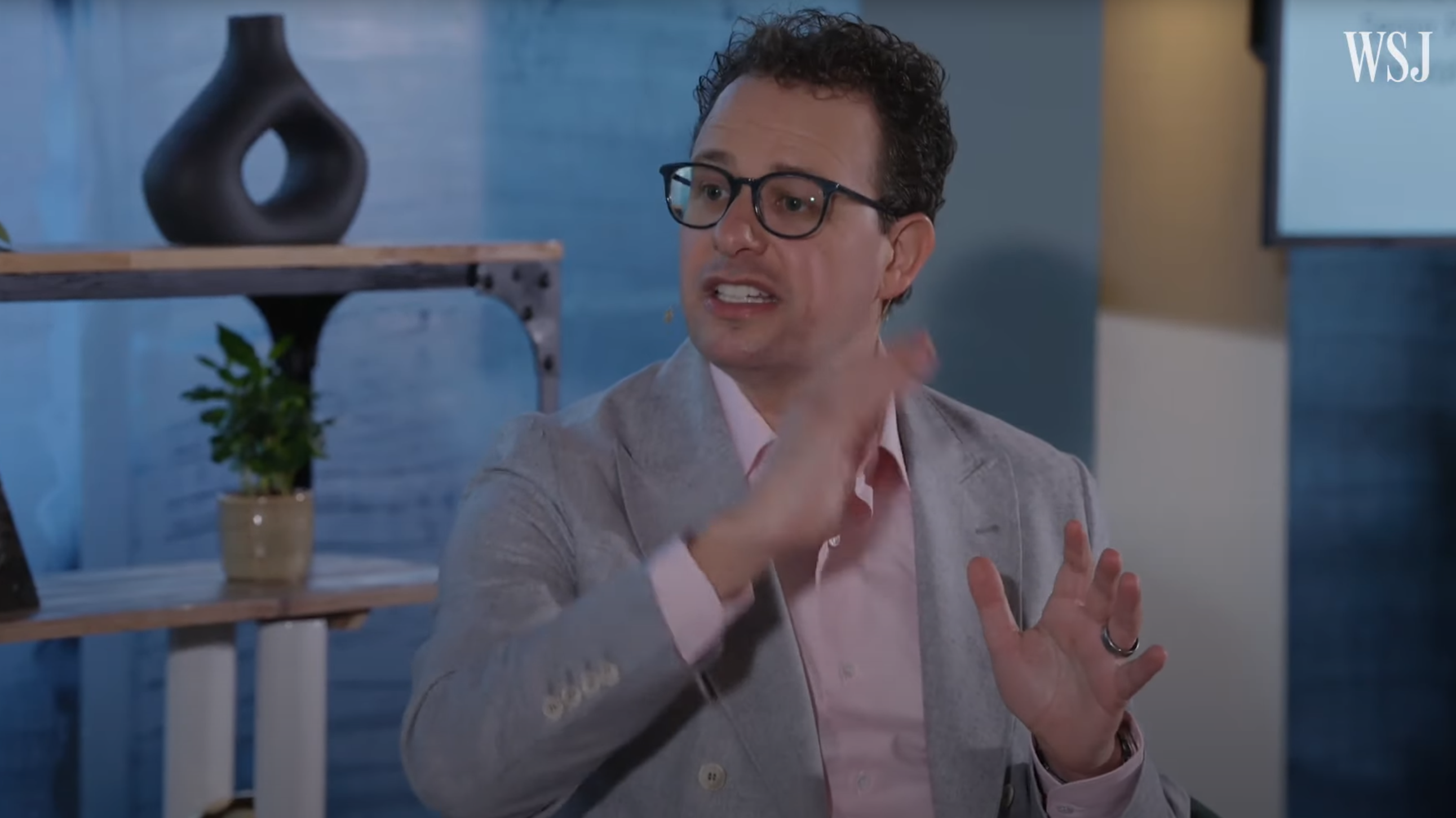
Anthropic CEO Dario Amodei entered a public debate on X with investors Gavin Baker and David Sacks, and Meta researcher Yann LeCun over whether AI should be concentrated among a few regulated companies or spread widely through open models. Amodei argued that open models do not solve concentration—they simply shift power to whoever controls the most computing power and AI chips, because AI centralizes by its very structure due to scaling laws.
Why it matters
The dispute cuts to the core of AI regulation strategy. Amodei contends that regulation can rein in corporate power and help ordinary citizens when good institutions anchor power in ideas rather than individuals, and that Anthropic deliberately designs proposals to slow down leading labs and favor smaller ones (citing California's SB53 law as proof). His critics counter that this amounts to regulatory capture—that Anthropic has hired several former Biden administration AI officials and is building a large government apparatus while proposing a federal agency to review top models before release, which they say would create delays and disadvantage the US against China.
What to watch
Baker noted that almost every major company except Anthropic has signed Jensen Huang's letter backing open models, signaling that the industry consensus may be shifting away from Amodei's concentrated approach.
Summaries like this, in your inbox every morning.
The dispute between Amodei and his critics reveals a fundamental tension in AI governance that has split even technologists and business leaders. On one side stands Amodei's argument that concentrating AI among regulated companies with strong institutional oversight can prevent the accumulation of power in individual hands. On the other side stand open-AI advocates who believe that wide distribution of AI systems—mimicking the model of the printing press or the internet—creates a checks-and-balances system where diverse actors with different values prevent any single point of control. Amodei's critics argue that his regulatory proposals, combined with Anthropic's hiring of former government officials, suggest the company is not trying to solve the concentration problem but rather to secure a privileged regulatory position for itself. Sacks pointed out that Amodei did not actually dispute Baker's original claim that Amodei had told people internally that Anthropic could one day be the only private firm left in the world—a silence that, in Sacks's reading, speaks volumes. The fact that almost every major company except Anthropic has backed Jensen Huang's letter in favor of open models suggests that the broader industry may be rejecting Amodei's framing, even if his argument about the structural concentration of AI power through computing resources has a technical grain of truth.
Pick your industry and the AI tools you use, and get news related to your work every day.
Free · 30 seconds with Google · unsubscribe anytimeWhat is AIToday? →
Ask AI anything about this article. The AI reads this article, earlier AIToday articles, and Wikipedia, and cites its sources. Q&As are published on this page for other readers too.
Taiwan is considering much stricter export controls on AI chip sales to China, part of a greater alignment wit…

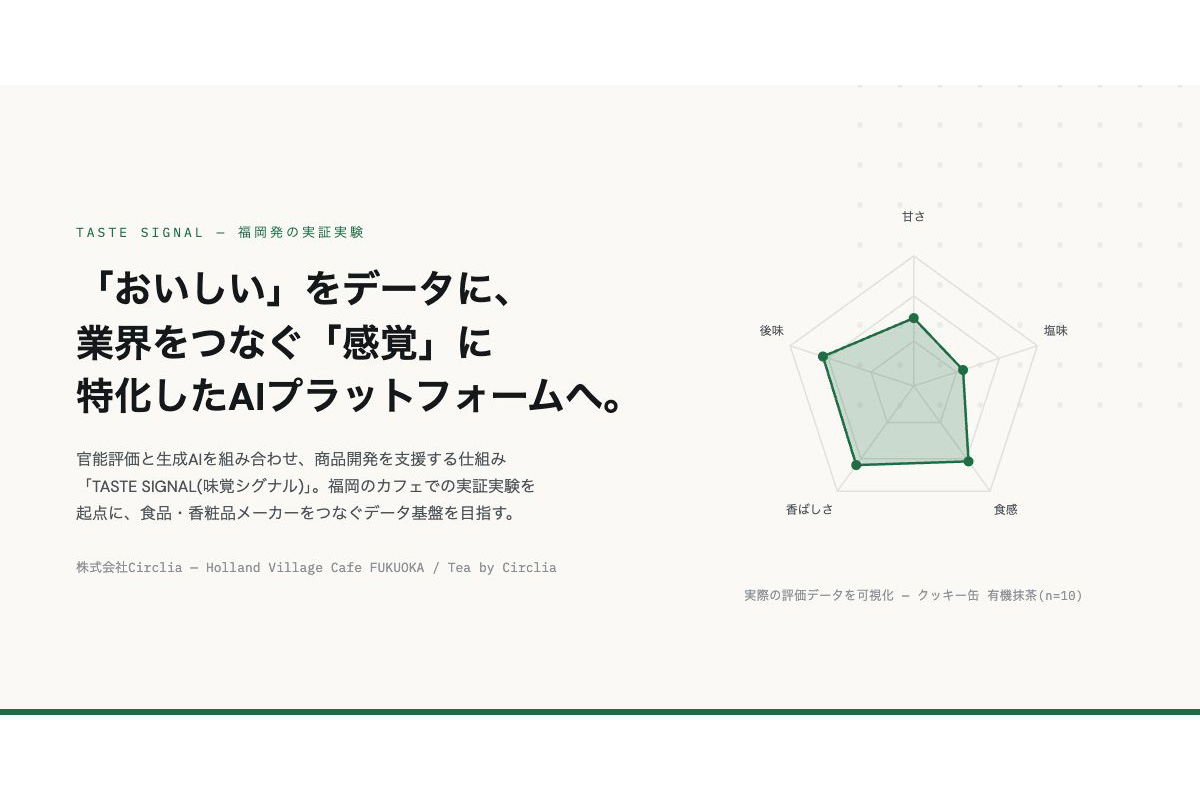
Circlia started a proof-of-concept for TASTE SIGNAL: visitors to Holland Village Cafe FUKUOKA taste cookies an…
In a webinar hosted by French Mathematical Society president Isabelle Gallagher, Fields Medal winner Hugo Dumi…

NVIDIA released Nemotron 3.5 Super VL, an open-weight model with 120 billion parameters that handles text, ima…

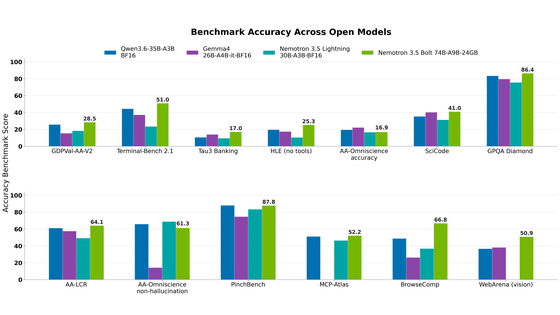
NVIDIA released Nemotron 3.5 Bolt 74B-A9B 24GB, an AI model for local agents that hits over 80 tokens per seco…
NVIDIA published a blog post titled "AI Security Is an Engineering Problem - How to Solve It at Every Layer of…