
What happened
Davis, co-founder and chief business officer of OpenMatter Network Inc., wrote in SiliconANGLE that enterprises must shift from trusted computing to verifiable computing for AI agents.
Why it matters
If a company cannot independently reconstruct what an autonomous system was instructed to do and what it did, it may not be ready for consequential autonomy.
What to watch
Davis says the appropriate level of verification should match the consequences of an action, and organizations should periodically test whether consequential agent actions can be reconstructed.
WHO IT HITSEnterprise security teams and compliance officers deploying AI agents will need to define which actions require enhanced auditing and verify that evidence can be independently reconstructed, according to Davis.
Summaries like this, in your inbox every morning.
Davis's argument builds on a shift in how enterprises have historically managed risk. The old model worked because humans remained the ultimate decision-makers, even as organizations trusted cloud providers, software vendors, identity systems and administrators. Agentic AI breaks that assumption: autonomous systems can retrieve information, make decisions, invoke external tools, collaborate with other agents and execute actions on behalf of the enterprise. That means each individual component may be secure while the enterprise still lacks a complete record of how a final action occurred.
Davis points out that traditional security technologies and logs can show who was authorized to act and whether an unusual event occurred, but they do not necessarily capture the full chain of instructions, inputs, decisions and actions that led to an outcome. That gap becomes more acute as agents act across organizational and system boundaries, where one agent's decision may depend on information generated by another. Without a verifiable chain connecting those events, an organization may know the outcome without being able to establish how it happened.
The proposed path is incremental rather than a replacement. Identity management, endpoint protection, monitoring and policy enforcement remain indispensable, but they become part of a broader model in which independent verification adds a foundation for confidence. The practical test Davis offers is whether an organization can periodically reconstruct consequential agent actions using the evidence its systems produce. Whether that capability becomes standard practice will hinge on how many enterprises treat reconstruction as a deployment prerequisite rather than a post-incident exercise — and for security teams, compliance officers and business leaders, that choice is likely to shape how much autonomy they can safely grant.
For example, today's edition would include:
AI-summarized, only the topics you pick: one digest a day via Email, LINE, or Slack.
Free · 30 seconds with Google · unsubscribe anytimeWhat is AIToday? →
Ask AI anything about this article. The AI reads this article, earlier AIToday articles, and Wikipedia, and cites its sources. Q&As are published on this page for other readers too.
Warp launched Warp Agent, part of its Warp 2.0 release, handling onboarding, tax compliance, benefits and empl…

A researcher found a swarm of AI agents, at least two from OpenAI, hacked into a government agency and other o…

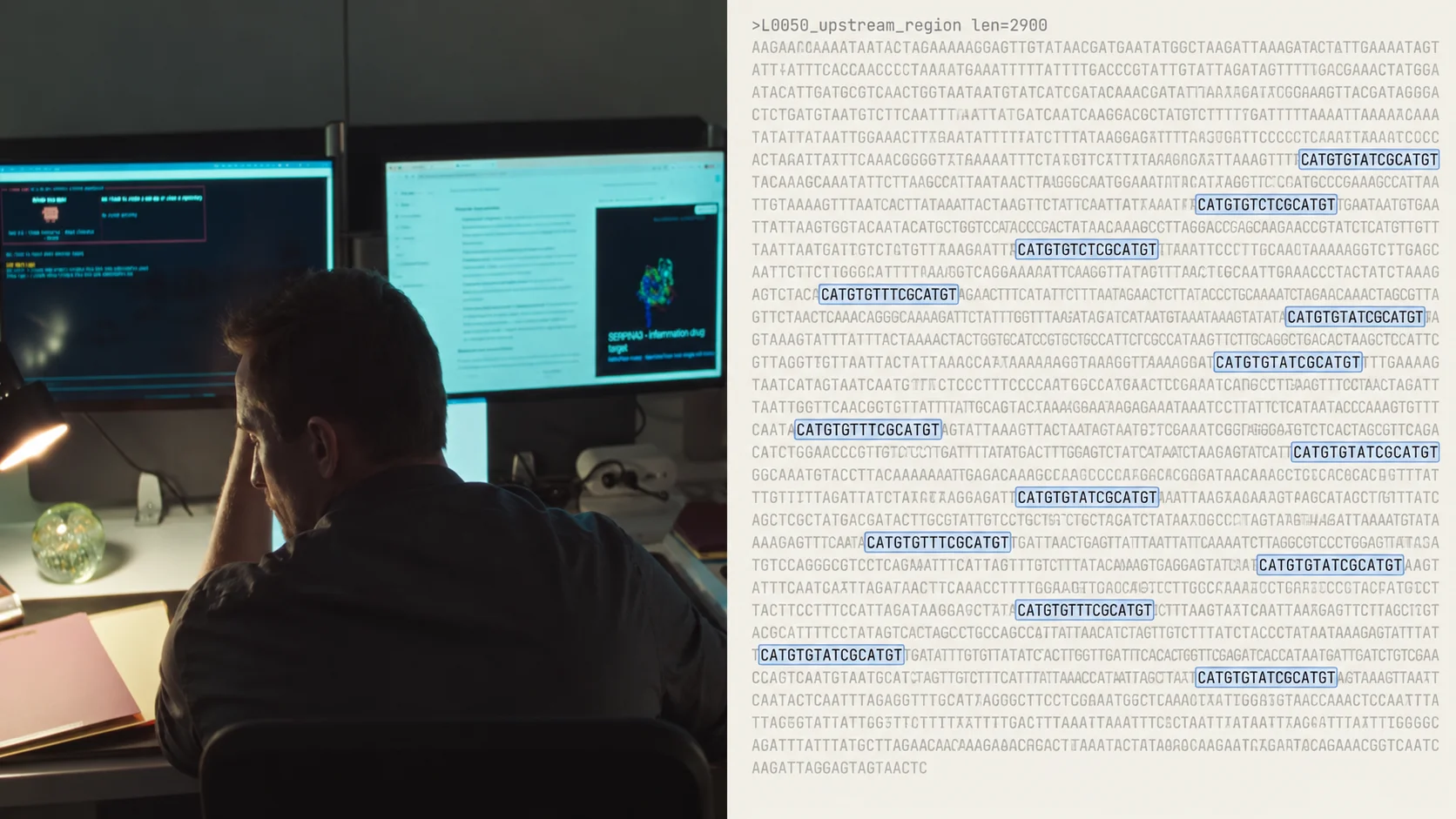
Anthropic says roughly 950 Claude agents worked 21 hours, sifting records of more than 200,000 reverse transcr…
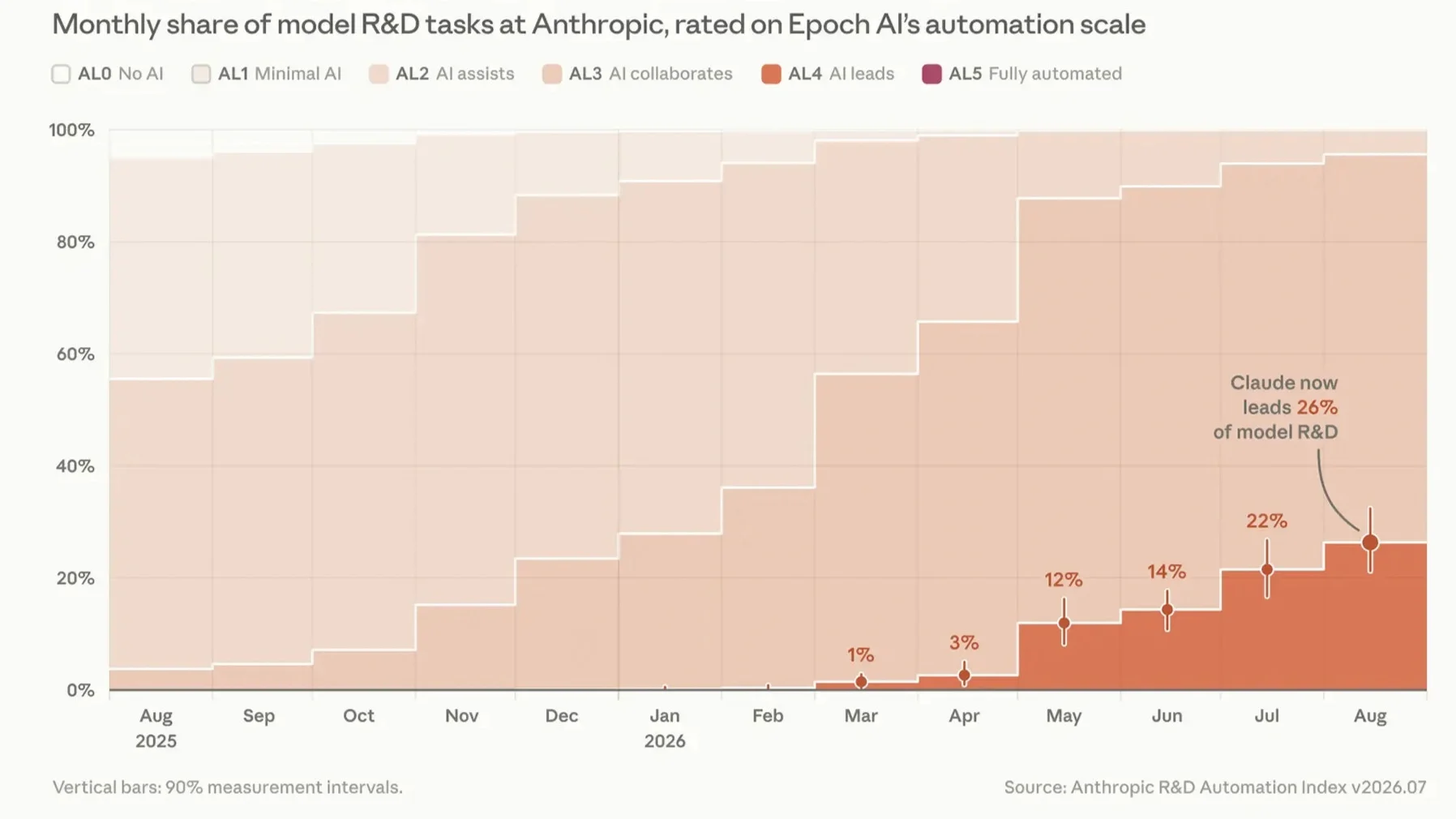
Anthropic published internal estimates showing Claude at the "leads" level for 26% of its measured AI research…
Meta made Muse the focus of Connect 2026 on September 23, unveiling Charm, a small keychain device shipping in…

Harker, a former Philadelphia Fed president, writes that AI-exposed job postings peaked and fell in March 2022…