What happened
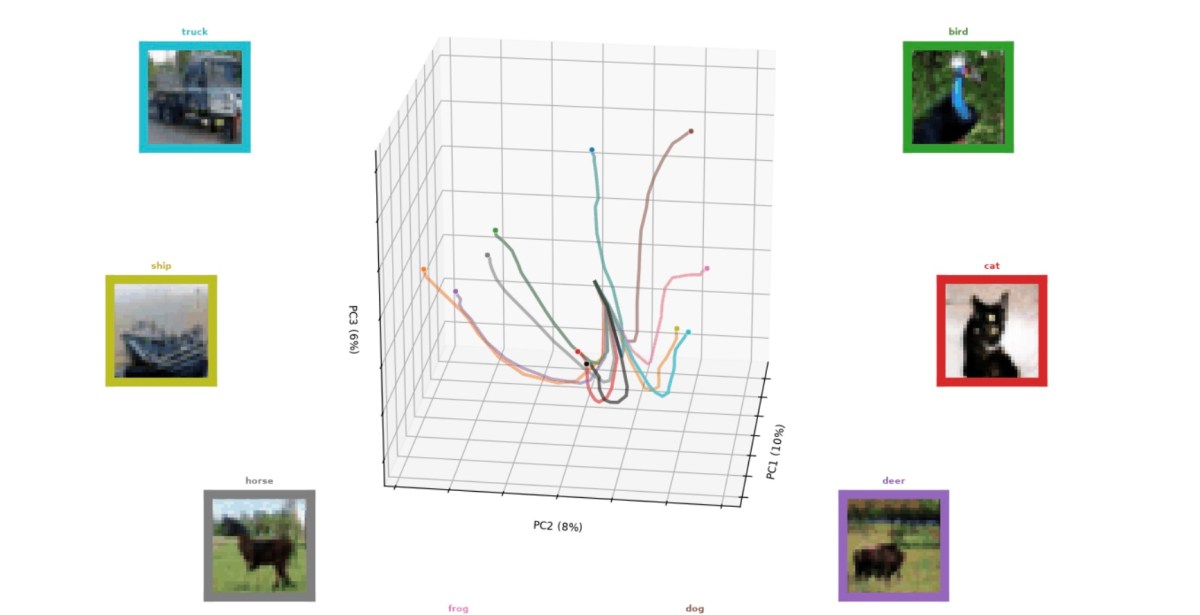
Naveen Rao, formerly head of AI at Databricks, founded Unconventional AI and released its first model, Un-0, an image-generation system built on oscillator-based computer architecture rather than conventional chips. The company released a research paper showing the model performs as well as state-of-the-art diffusion models like Stable Diffusion.
Why it matters
Rao argues that energy will become the hard limit for AI scaling in the coming years, making his company's approach relevant to the industry's core infrastructure challenge. The company plans to eventually offer inference compute capacity at 1/1000 of the power of conventional systems, potentially addressing a significant cost and supply bottleneck.
What to watch
Un-0 currently runs on a software simulation of Unconventional's oscillator chips; the company plans to release actual chip schematics soon and build a complete inference stack to supply compute capacity over the network. Unconventional has fewer than 50 employees but is pursuing this goal over the next year.
Summaries like this, in your inbox every morning.
Pick your industry and the AI tools you use, and get news related to your work every day.
Free · 30 seconds with Google · unsubscribe anytimeWhat is AIToday? →
Ask AI anything about this article. The AI reads this article, earlier AIToday articles, and Wikipedia, and cites its sources. Q&As are published on this page for other readers too.
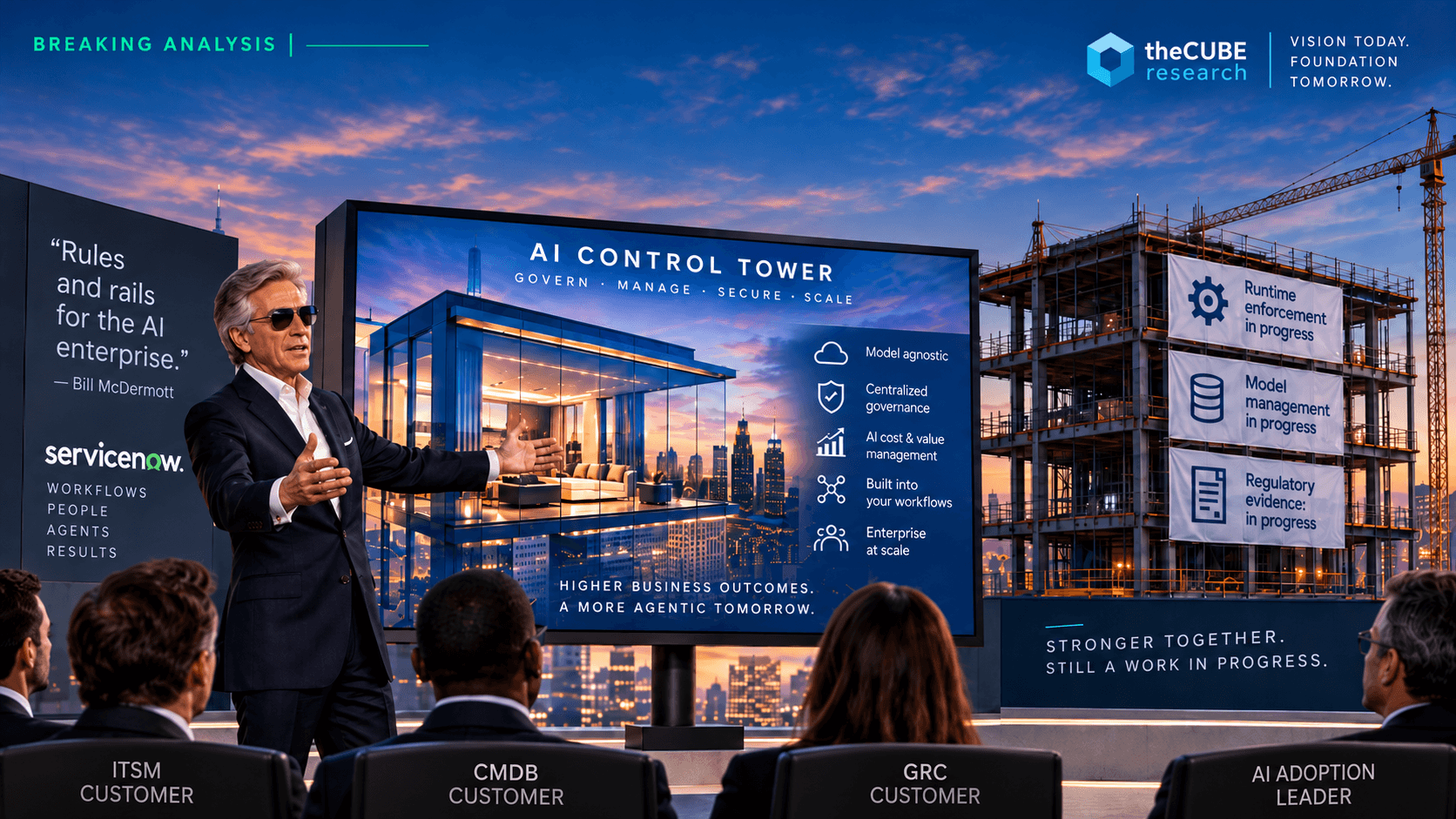
In 15 in-depth interviews with existing ServiceNow customers, 14 said AI Control Tower's runtime enforcement w…
Anthropic CEO Dario Amodei said he spends a third, maybe 40%, of his time making sure the company's culture is…

Users of Meta's Muse, xAI's Grok, OpenAI's Dots and Instinct report blocks on top sites
Meta removed language from its commercial terms that experts said allowed scraping news sites to train its AI…
Bank of America strategist Sebastian Raedler said 12-month forward hyperscaler capex expectations rose from $3…
Alphabet CIO Ruth Porat told Fortune it is "illogical" to call the AI buildout a capacity-constrained bubble…