
Getac announced the G140, a fully rugged tablet that meets Microsoft's Copilot+ PC standards (meaning it has built-in AI features like intelligent search and document summarization). It runs on AMD processors and is designed to survive drops, dust, and water exposure.
Unlike regular tablets, this device combines AI processing power with military-grade durability — workers in construction, mining, or emergency response can now run AI-assisted apps (voice transcription, image analysis, document processing) without carrying fragile laptops or losing connection to cloud services.
Field-heavy industries like utilities, logistics, and public safety now have a certified AI device that won't break in harsh conditions. This makes it practical to deploy AI tools to job sites where they've been impossible to use before — a technician can use AI to diagnose equipment or transcribe notes hands-free while wearing gloves.
Ask the AI about this article →
For example, today's edition would include:
AI-summarized, only the topics you pick — one digest a day via Email, Slack, or Discord.
Free · takes 30 seconds · unsubscribe anytimeWhat is AIToday? →
Ask AI anything about this article. Q&As are published on this page for other readers too.
John Ternus takes over as CEO of Apple today, stepping into the role as the company confronts the AI era

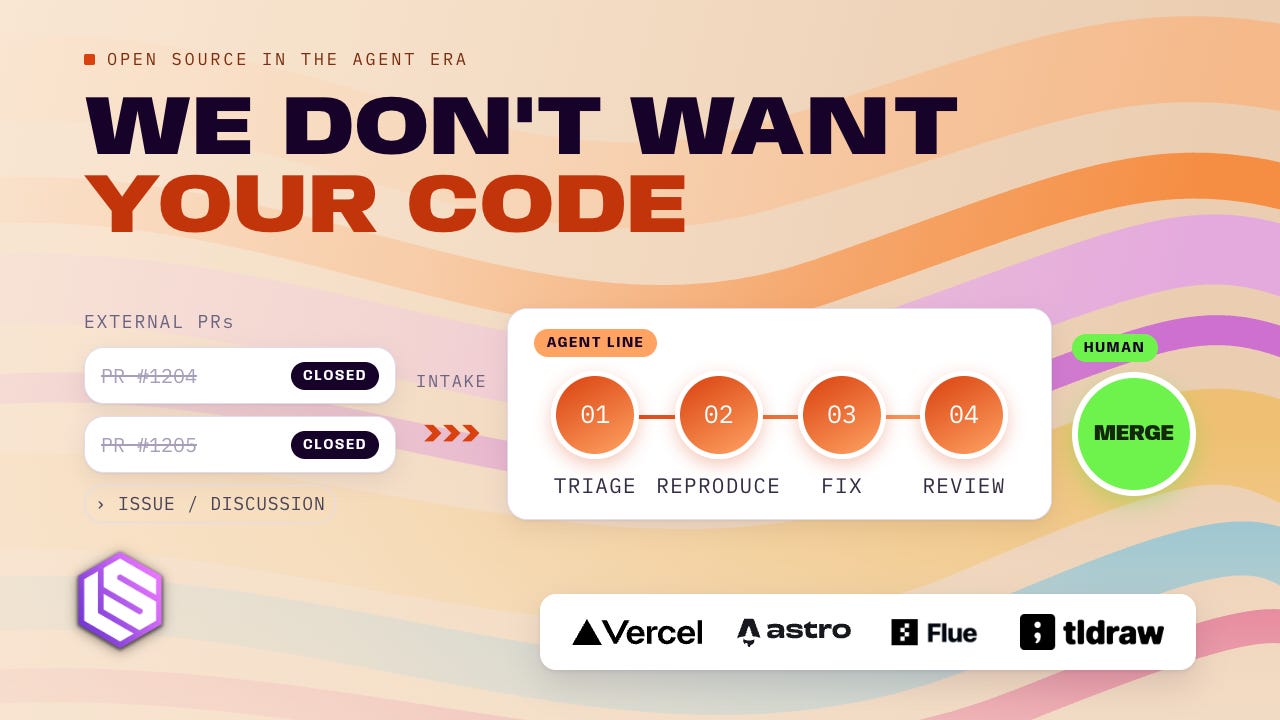
Top AI-native open source projects like Flue and tldraw are refusing external pull requests, often because the…
Visual Studio Code 1.135 now includes an experimental 'Rubber Duck' feature that lets developers request a sec…
Anthropic is making a permanent 25% increase to the usage limits in Claude Code, effective after September 14
OpenClaw creator Peter Steinberger and co-developers announced OpenClaw 2.0 over the weekend, describing it as…

AI coding has moved through three stages—prompt engineering, context engineering, and now harness engineering—…