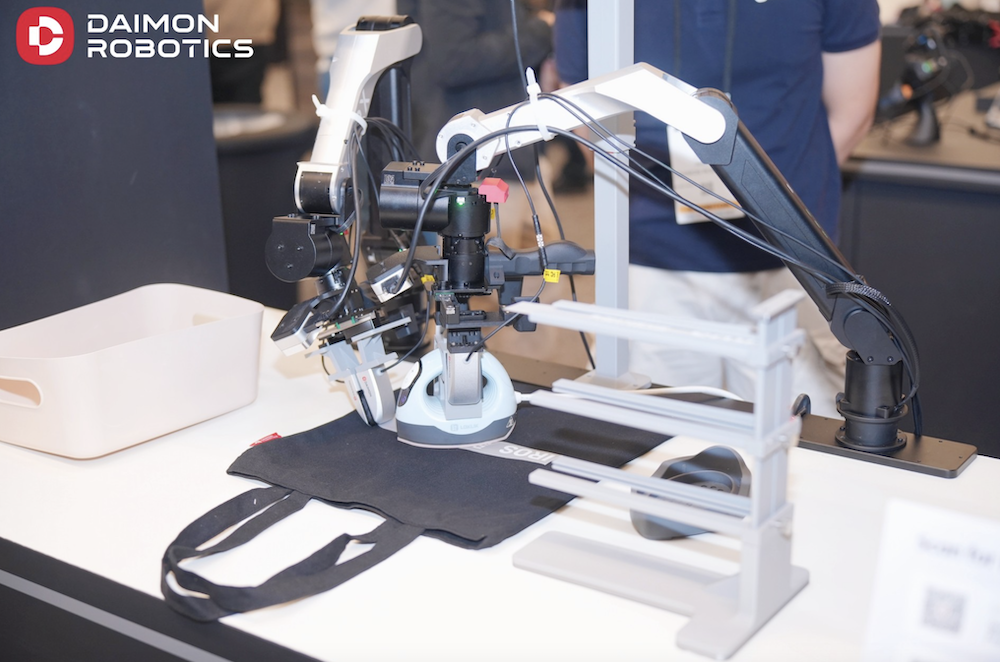
What happened
Daimon Robotics is building a pipeline linking tactile sensing, data collection, simulation, and AI models, with feedback operating at 30 Hz. It has discussed collecting more than 10,000 hours of data, and its Daimon-Infinity initiative targets more than 1 million hours of tactile embodied data.
Why it matters
The company aims to supply tools and data infrastructure that other firms can use to build more capable robotic systems, rather than compete with them on foundation models. Its progress will hinge on whether that approach measurably improves manipulation in production environments.
WHO IT HITSRobotics developers and industrial automation teams working on assembly, packaging, and delicate manipulation tasks may gain access to shared tactile data and simulation tools, potentially reducing the effort required to build new applications.
Summaries like this, in your inbox every morning.
Daimon Robotics' strategy stands out because it deliberately avoids competing with the companies building general-purpose robotic brains. Instead, it aims to supply the underlying tools and data infrastructure that those developers can use. The company has identified Lenovo Capital and Inovance Technology as key partners and says it has moved beyond proof-of-concept projects into industrial assembly lines and warehouses, though it declined to name specific customers due to nondisclosure agreements.
Collecting tactile data at scale is a different problem from collecting visual data. Tactile information depends on physical contact and varies with an object's material, geometry, the forces applied, and the task, which makes it harder to capture with cameras. Daimon's pipeline uses tactile feedback operating at 30 Hz and works to calibrate simulations against real-world measurements before transferring data into virtual environments. Dr. Zhu was candid about the current state of simulation, calling it "kind of terrible" when describing the gap between simulated and real-world environments.
Even with large datasets, the models remain limited. Zhu said the model "is not as intelligent as we think" and that its generalization ability is sometimes in-domain, meaning it may struggle to transfer to unfamiliar tasks. Daimon's success will depend on whether its approach measurably improves manipulation, reduces the effort required to develop new applications, and supports deployments across different industrial environments.
Pick your industry and the AI tools you use, and get news related to your work every day.
Free · 30 seconds with Google · unsubscribe anytimeWhat is AIToday? →
Ask AI anything about this article. The AI reads this article, earlier AIToday articles, and Wikipedia, and cites its sources. Q&As are published on this page for other readers too.
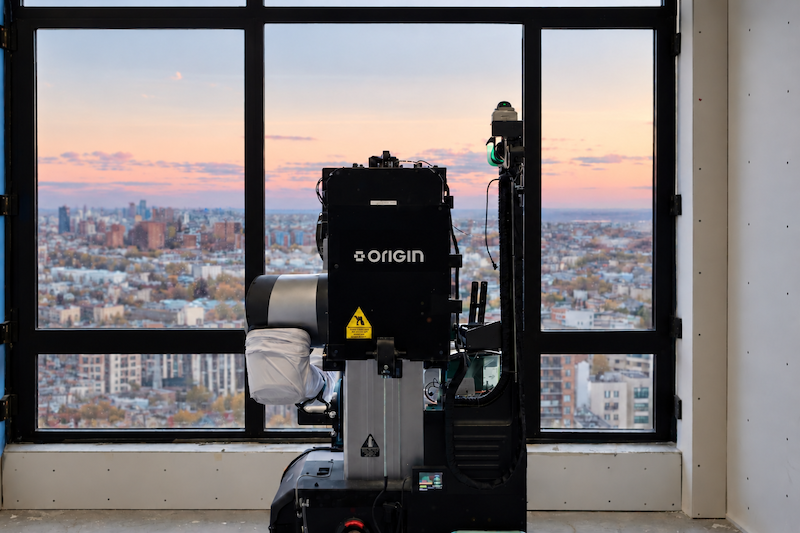
Origin exited stealth with $20 million in total funding co-led by Accel and Zacua Ventures, and its OG-1 robot…
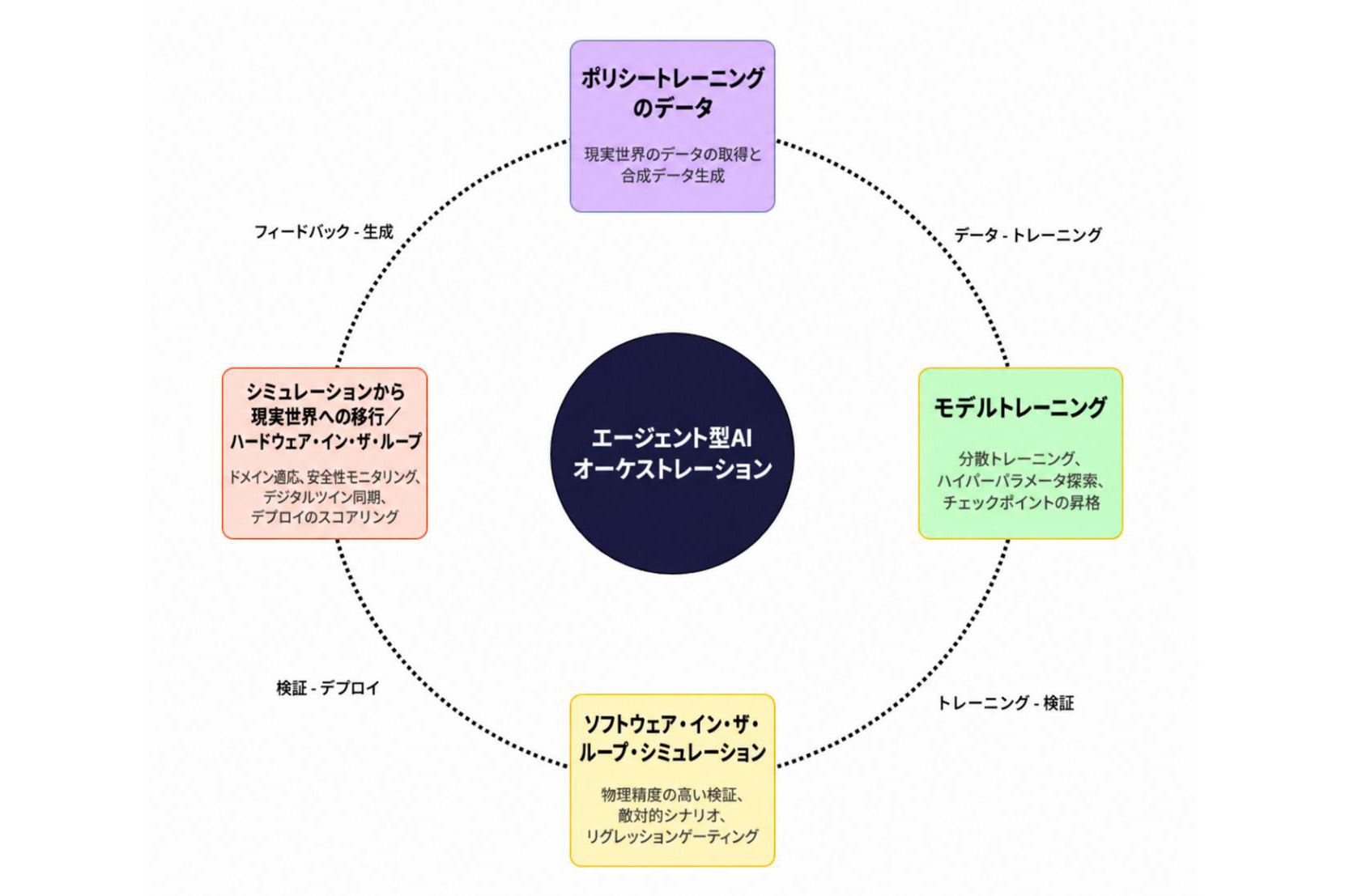
AWS released the Physical AI Toolchain on AWS, a publicly available collection of reference architectures, Inf…
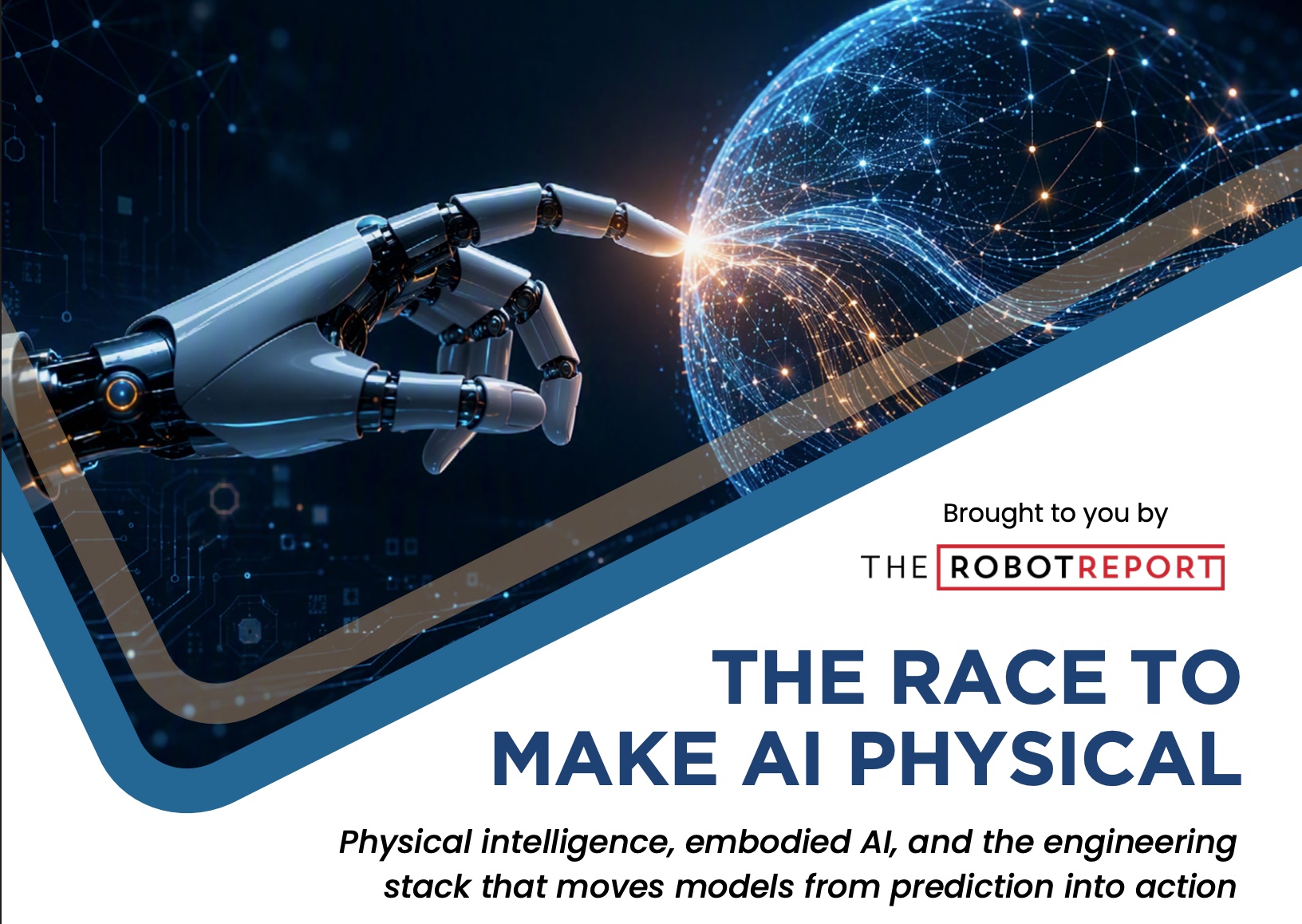
Analog Devices Inc. released a whitepaper on the race to physical AI, arguing that success requires advances a…
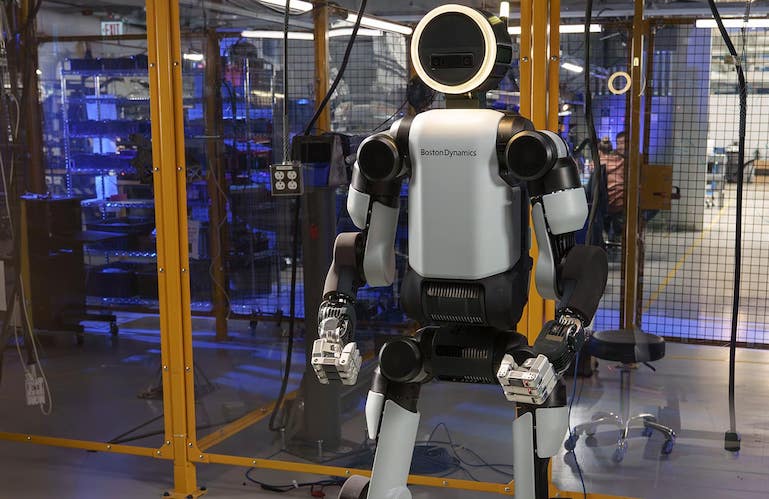
Boston Dynamics' Atlas, now all-electric and running on NVIDIA chips, autonomously sorts roof racks at Hyundai…
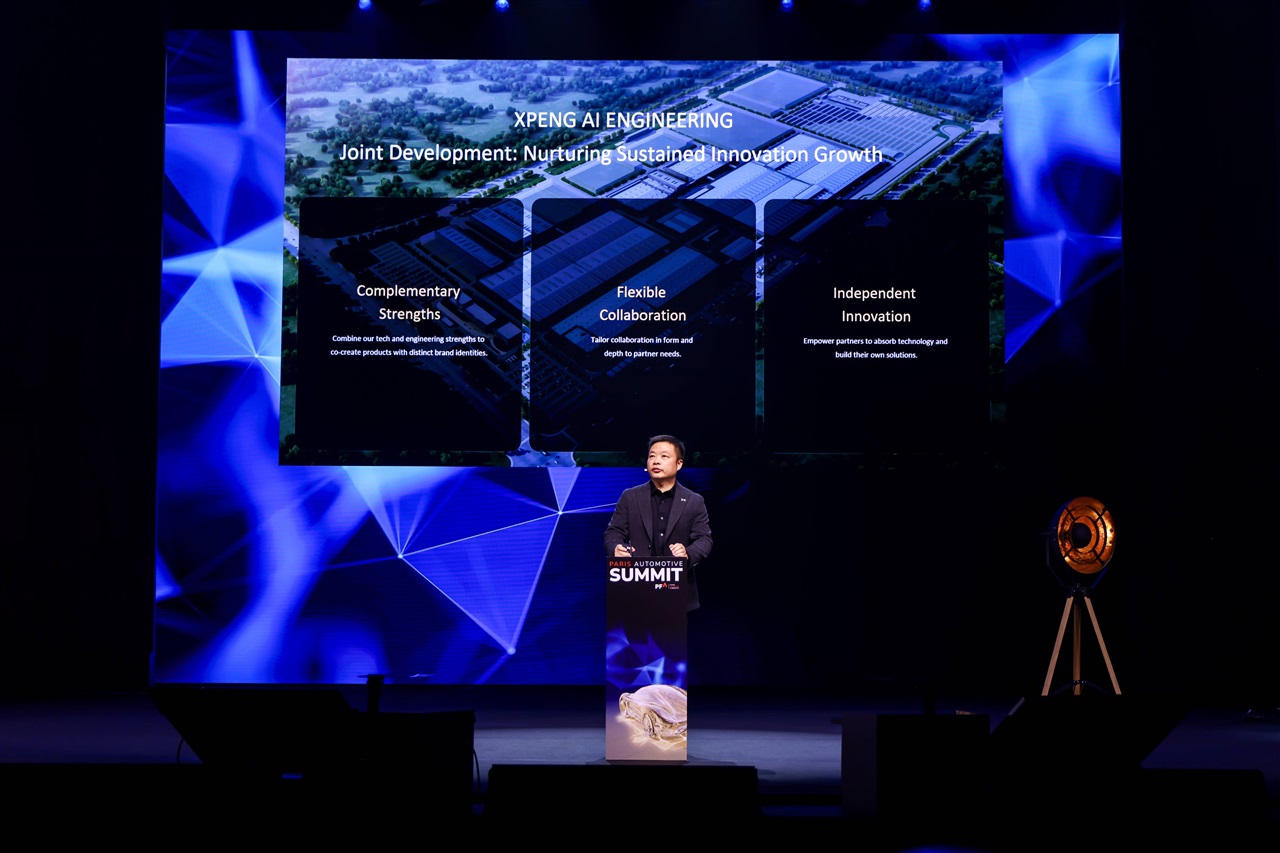
XPeng appeared at the Paris Automotive Summit, presenting not only automotive expertise but a broader technolo…
AIBotics completed its acquisition of NovaCore Labs' operating assets from PlayJamaica Limited, gaining 10 ser…