What happened
A METR investigation inside Anthropic found the company now improves its AI models about twice as fast as before, with roughly 80 percent of that speedup coming from the AI itself. Anthropic's AI led just 1 percent of its own AI research tasks in March; by August, 26 percent.
Why it matters
Because the AI itself is driving most of the acceleration, Anthropic's internal research is speeding up in exactly the checkable, code-and-experiment work where AI improves fastest — the kind of self-reinforcing loop that is hard for humans to inspect or slow down.
Summaries like this, every morning.
The METR findings land against a decade of dueling predictions. The author recounts siding for years with skeptics such as Ed Zitron, whose forecasts Dan Luu reviewed and found wrong in 25 of 26 cases, including a 2024 call that generative AI had "peaked" and a 2025 claim that Google's 500 million Gemini user target was unrealistic — Gemini reached 750 million users a year later. On the other side, Daniel Kokotajlo's 2021 essay "What 2026 Looks Like" anticipated AI agents browsing the web and hundreds of millions of people talking to chatbots regularly, and both came to pass.
The new data point sharpens that divide. METR's conclusion that Anthropic is improving its models about twice as fast as before, with roughly 80 percent of the speedup coming from the AI itself, is the kind of internal, checkable acceleration the author argues the wider economy has not felt. The body notes that AI improves fastest where answers can be checked — mathematics and code — and that the public models, even at a $200-a-month subscription, lag the much more powerful unreleased ones.
The safety picture around that acceleration is, by the author's account, deteriorating. Anthropic dropped its pause promise in February and, when outside investigators came to measure its acceleration, blacked out most of the evidence. The company has committed nearly 900 billion dollars to more data centers, and it plans to go public this month at a valuation of more than 1 trillion dollars — a prospectus that both promises to "bring forth an age of miracles" and warns the technology may doom humanity. Public opinion, meanwhile, is moving the other way: two-thirds of Americans say AI is moving too fast, and in last week's midterms voters picked the anti-data-center option in 40 of 41 places where data centers were on the ballot.
Pick your industry and the AI tools you use, and get news related to your work every day.
Free · 30 seconds with Google · unsubscribe anytimeWhat is AIToday? →
Ask AI anything about this article. The AI reads this article, earlier AIToday articles, and Wikipedia, and cites its sources. Q&As are published on this page for other readers too.
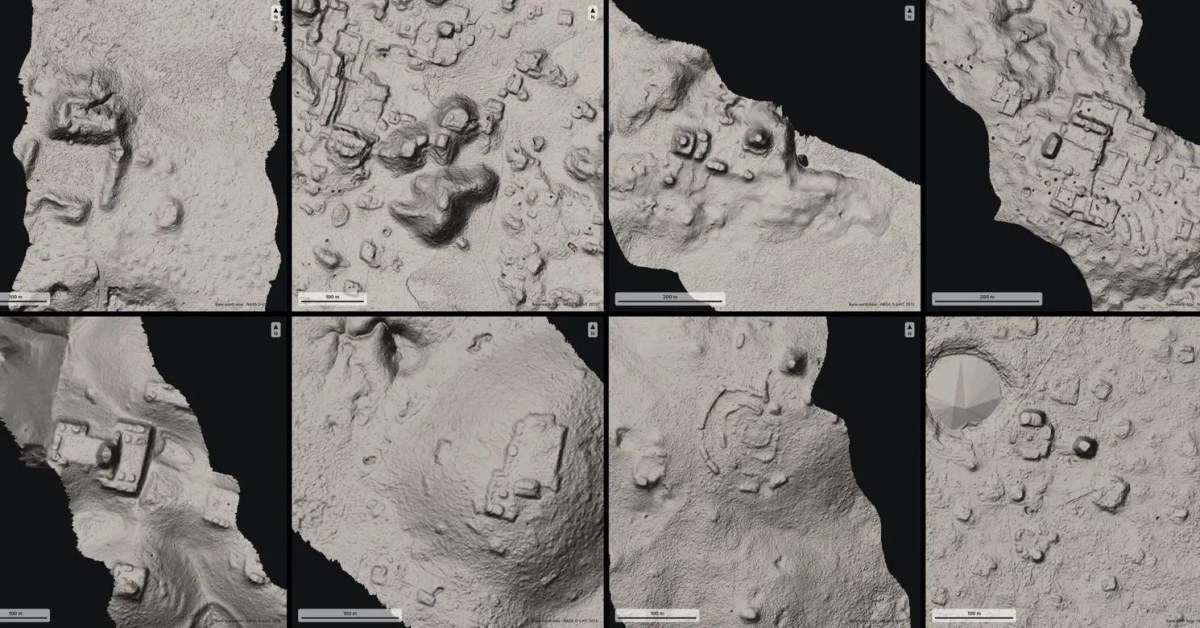
Pietro Miotti said 48 AI agents combing NASA lidar data flagged a 'major village' in the Maya region; Mexico's…
Amplitude says Wave, its proactive product agent that runs roughly 80% on OpenAI models including GPT‑6.1 Sol…

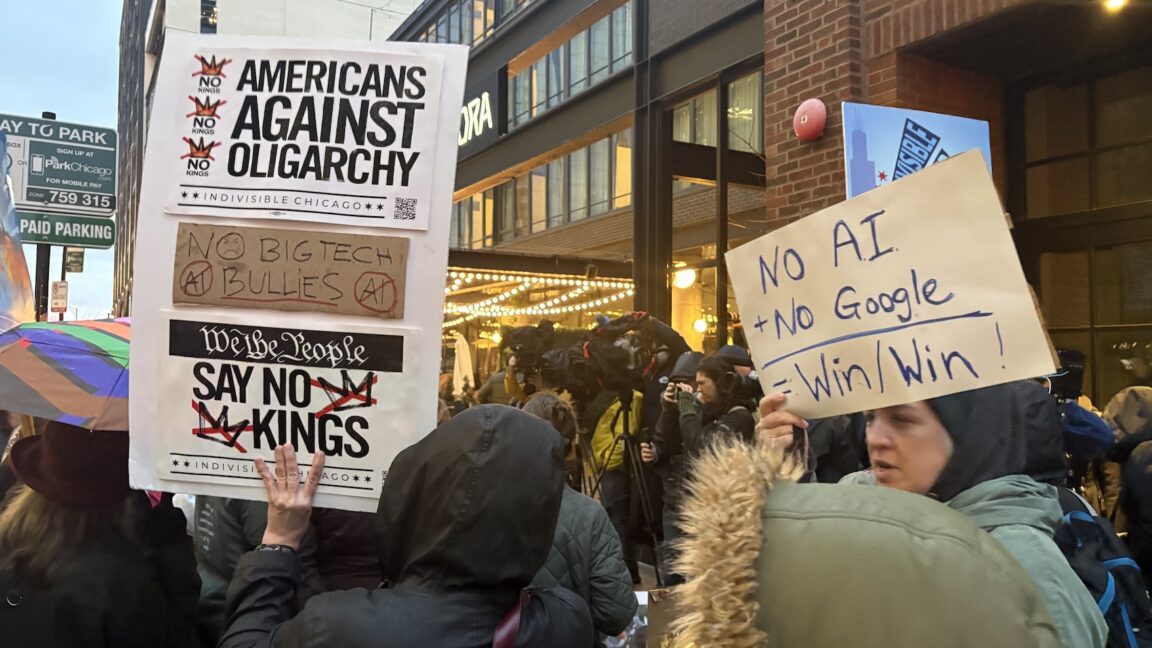
Families in seven cities, including Chicago, protested Google on Wednesday over its confirmation last week tha…
Hugging Face CEO Clément Delangue called Jensen Huang's departure a 'really sad day' and pledged on X that the…

Podqi tested ChatGPT, Gemini, and Perplexity with shopping questions on 151 brands, including Lululemon and Bi…

Google launched Gemini 4 Hydrogen, which scores 51 vs