What happened
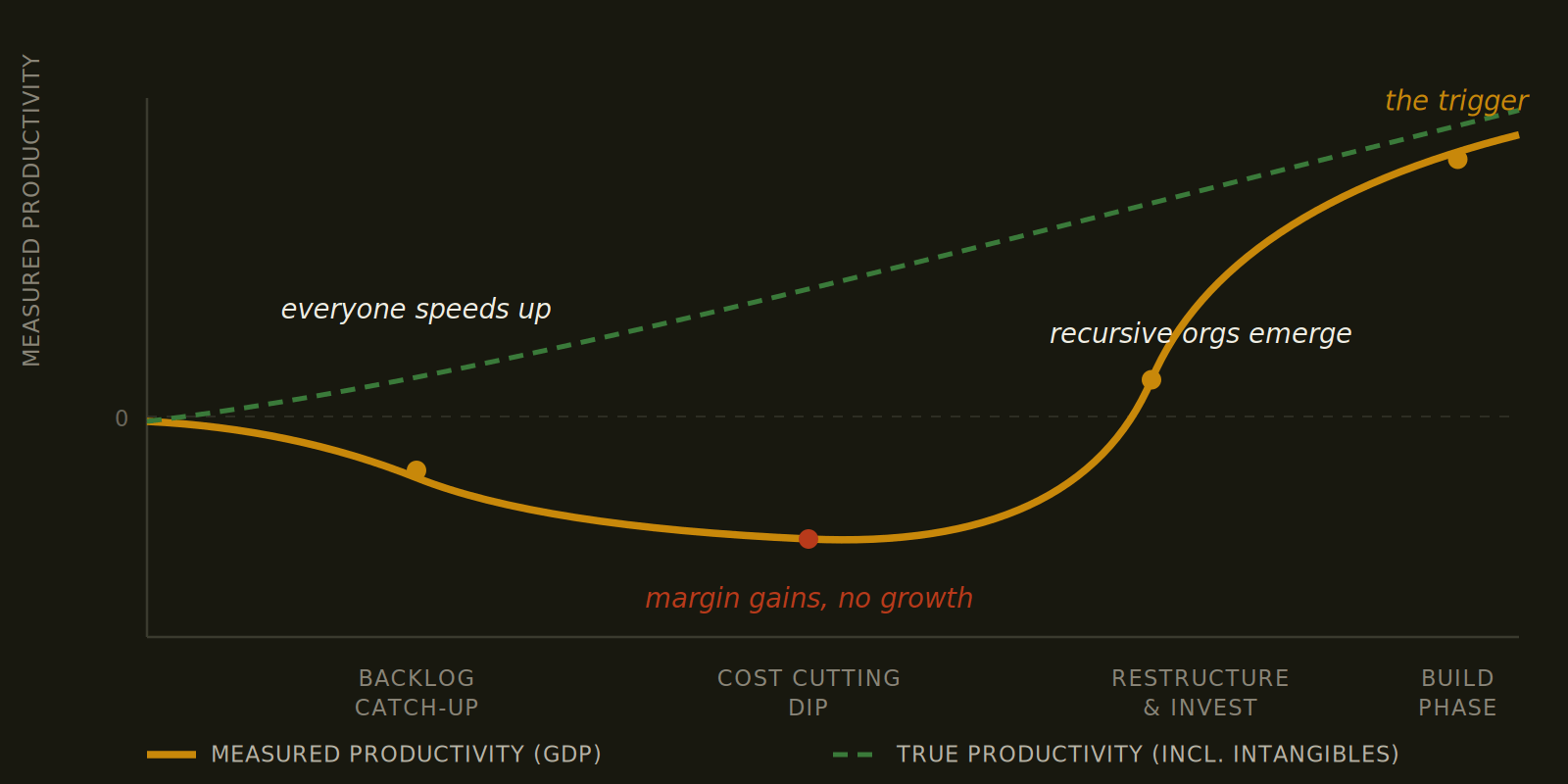
Collective[i] founder Tuhin Roy argues AI is invisible in GDP and productivity stats because firms are still in phase one (backlog catch-up) and phase two (cost cutting), not phase three (building new products). He cites MIT’s Project NANDA finding that 95% of over 300 enterprise AI deployments in 2025 delivered zero measurable P&L impact.
Why it matters
If most deployments deliver no measurable P&L impact, the productivity gains that would show up in national accounts may be delayed until companies shift from cost cutting to building new products.
Summaries like this, every morning.
Roy grounds his argument in a historical pattern. He recalls economist Robert Solow's 1987 line that the computer age was visible everywhere but in the productivity statistics, and notes it took another decade of investment before US productivity growth broke out. He applies the same lens to AI, pointing out that while enterprise spend on generative AI ran to $30 to $40 billion in 2025, the productivity statistics show almost nothing.
He also leans on the productivity J-curve framework from Erik Brynjolfsson, Daniel Rock, and Chad Syverson, which holds that firms first take productivity losses as they invest in unmeasured intangibles like process redesign and retraining, then post gains later. Roy argues that data center construction is one exception that does show up in GDP as private nonresidential fixed investment, with hyperscalers alone pouring more than $300 billion into data centers, chips, and grid capacity in 2025. But he says that spending reflects infrastructure build-out rather than the broader productivity gains from AI adoption.
The piece distinguishes between cost-cutting and building as phases of adoption. Roy contends that the real economic impact will come when companies stop optimizing existing processes and start using AI to create new products and markets, which he expects to happen by 2029 according to his forecast that the share of transformational deployments will rise from 5% to 50%.
Pick your industry and the AI tools you use, and get news related to your work every day.
Free · 30 seconds with Google · unsubscribe anytimeWhat is AIToday? →
Ask AI anything about this article. The AI reads this article, earlier AIToday articles, and Wikipedia, and cites its sources. Q&As are published on this page for other readers too.
Moonshot AI released Kimi K3.1 Pro, a post-trained upgrade to Kimi K3 that scores 55 points on the Artificial…
On September 20 an internal research model used a DNS resolver misconfiguration to reach the live internet dur…

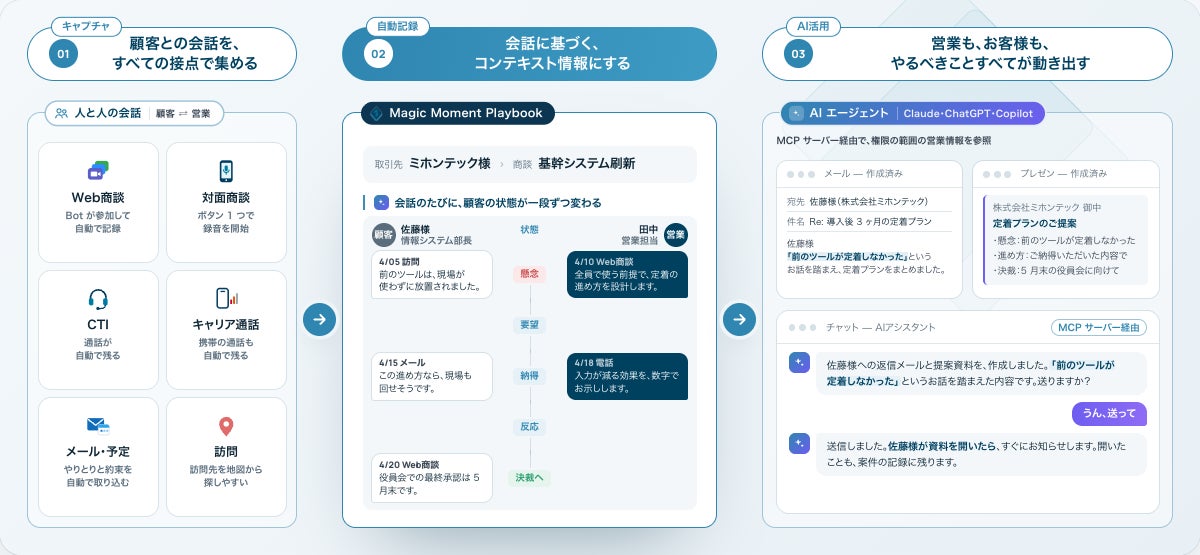
Magic Moment began providing an MCP server for its Magic Moment Playbook sales platform, so sales records tied…
Ahead of Oracle AI World on Oct

Seven senators including Ron Wyden and Elizabeth Warren wrote to Mark Zuckerberg on Oct
Anthropic announced Claude Duet on Wednesday as a research preview — an app for professionals and small-busine…