What happened
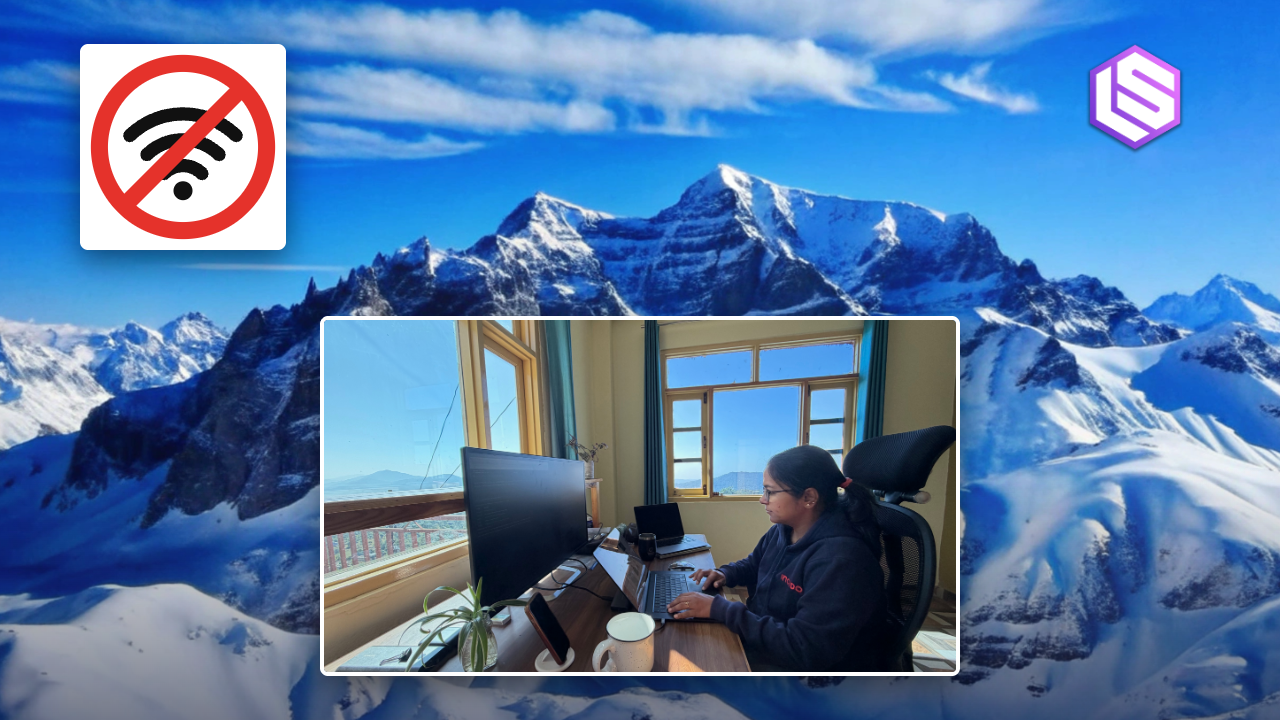
A Thomson Reuters Principal Engineer ran OpenCode with Qwen3.5 9B through Ollama on a Mac with Wi-Fi off, and the agent fixed a one-line bug in expense_total.py; all five tests passed and the sample returned 25.50.
Why it matters
For developers on flights, trains or unreliable grids, a local open-weight model can already handle small, self-contained fixes — though the author notes a one-line repair says little about large repositories or unfamiliar frameworks.
Summaries like this, every morning.
The walkthrough is deliberately set where connectivity is not a given: the author lives in the foothills of the Himalayas, where network and power outages are part of planning the workday. That constraint is what makes the experiment worth reading, because the usual assumption behind coding agents — a live cloud model — quietly disappears.
The setup splits responsibilities between two tools. Ollama runs Qwen3.5 9B on the laptop, and OpenCode handles file reads, edit proposals and command execution, with permission prompts letting the user inspect each step. The author chose Qwen3.5 9B over the 4B variant because its published model-card scores on LiveCodeBench v6 and BFCL-V4 were stronger, while noting those scores are not laptop measurements. The offline check is simple: with Wi-Fi off, the local Ollama API still lists qwen3.5:9b while an external request fails with "Could not resolve host."
What the run actually proves is narrow. The agent read a local file, proposed a one-line change, ran the existing tests and explained the fix, and the author re-ran the tests independently. The body also flags costs: a research preprint on Terminal-Bench Pro reported OpenCode using about 40 times Goose's tokens per solved task, though the authors cautioned most pass-rate differences were not statistically clear. The CSV report and log analyzer exercises are left as the next checks, and the author's own caveat — that a one-line repair says little about large repositories or unfamiliar frameworks — is the honest boundary of the result.
Pick your industry and the AI tools you use, and get news related to your work every day.
Free · 30 seconds with Google · unsubscribe anytimeWhat is AIToday? →
Ask AI anything about this article. The AI reads this article, earlier AIToday articles, and Wikipedia, and cites its sources. Q&As are published on this page for other readers too.
Together AI CEO Vipul Ved Prakash said an unauthorized party downloaded stored prompt samples from requests to…

OpenAI says adaptive red-team attacks on protected reasoning from an earlier request succeeded 54.0% of the ti…

Citi added a section to its online user agreement this month stating that any access or transactions by a thir…
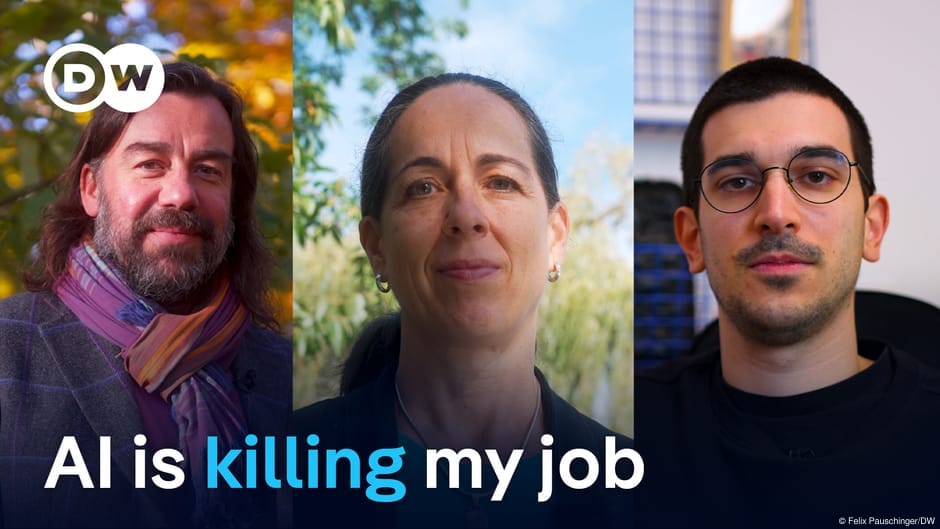
Interpreter Sara Campos lost a longtime Berlin client to AI, which the company chose because it is cheaper and…
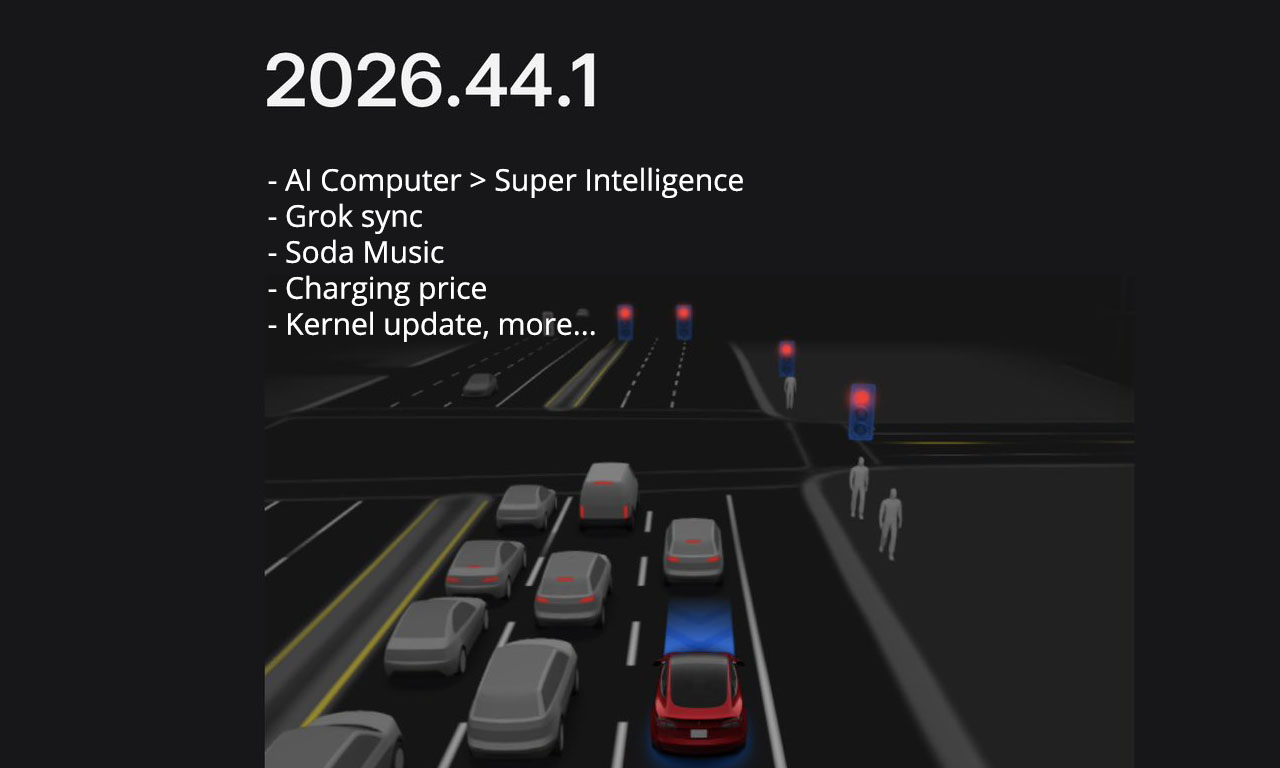
Tesla hacker green (@greentheonly) found that in firmware 2026.44.1, Tesla renamed the AI Computer (HW4/AI4) t…
Texas Instruments reported strong third-quarter results and expanded its Code Composer Studio ecosystem into a…