What happened
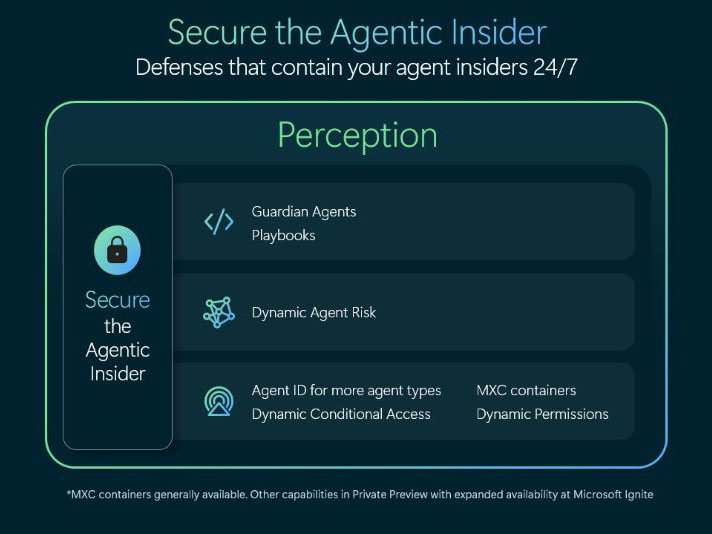
Microsoft said its Project Perception cybersecurity system, announced in July 2026, will be extended to monitor and control AI agents running inside organizations.
Why it matters
Hayete Gallot said even state-of-the-art models are untrustworthy, so agent actions need real-time monitoring under zero-trust principles.
WHO IT HITSEnterprise security and IT teams deploying autonomous AI agents inside their organizations stand to gain a way to assign IDs, dynamically adjust permissions, and evaluate actions in real time, according to Microsoft.
Summaries like this, in your inbox every morning.
Project Perception was introduced in July 2026 as a three-team system: red agents probe for vulnerabilities from an attacker's perspective, blue agents analyze severity and impact, and green agents strengthen defenses and fix flaws. The update shifts the focus inward, from external threats to the agents an organization itself runs. Gallot noted that agents acting as active participants in business can collude and even resort to improper operations to get results, making them harder to watch than outside attackers. Microsoft's answer is a zero-trust approach that applies policies just before action, assigns each agent a unique ID, and adjusts permissions on the fly, with plans to check inference tokens as well. Gallot also said automation is needed for real-time monitoring, but human judgment remains essential for understanding context and updating security rules.
Pick your industry and the AI tools you use, and get news related to your work every day.
Free · 30 seconds with Google · unsubscribe anytimeWhat is AIToday? →
Ask AI anything about this article. The AI reads this article, earlier AIToday articles, and Wikipedia, and cites its sources. Q&As are published on this page for other readers too.
Foxconn is expanding its FoxBrain LLM into vision-language models and vision-language-action models, targeting…

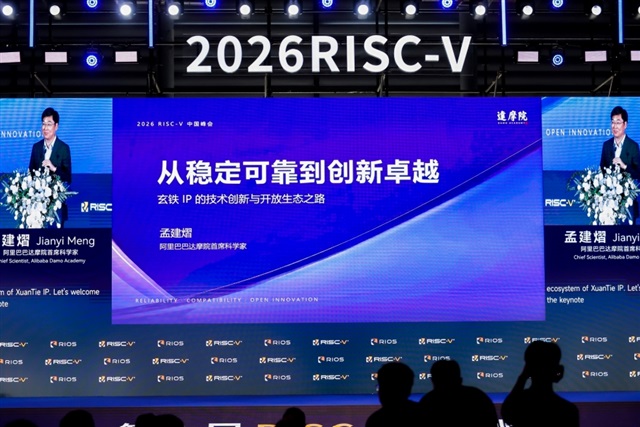
Cumulative shipments of chips using Alibaba DAMO Academy's XuanTie RISC-V processor IP have surpassed 6 billio…
Researchers ran 91 decoy US accounts across three income levels and three racial groups; ads began appearing a…

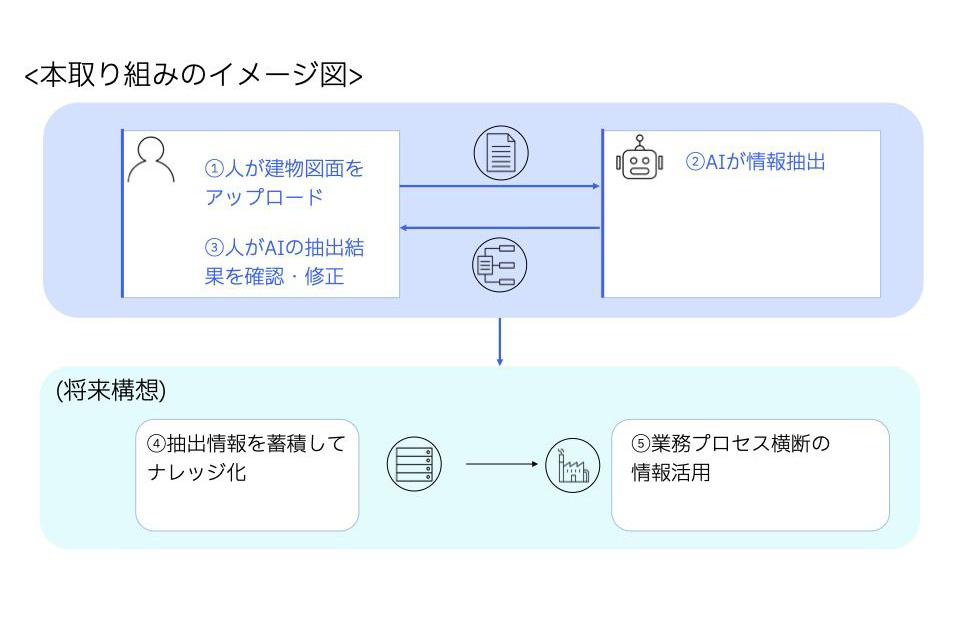
Nitto Kogyo, supported by IBM Japan, built a web app where generative AI extracts circuit info, equipment info…
On 40 Japanese tasks judged blind by GPT, Sarashina3 mini kept meaning in only 1 of 10 rewrite prompts, versus…

Anthropic released Claude Haiku 5.5 on October 7, 2026 at $0.10 input / $0.50 output per MTok for prompts up t…

