What happened
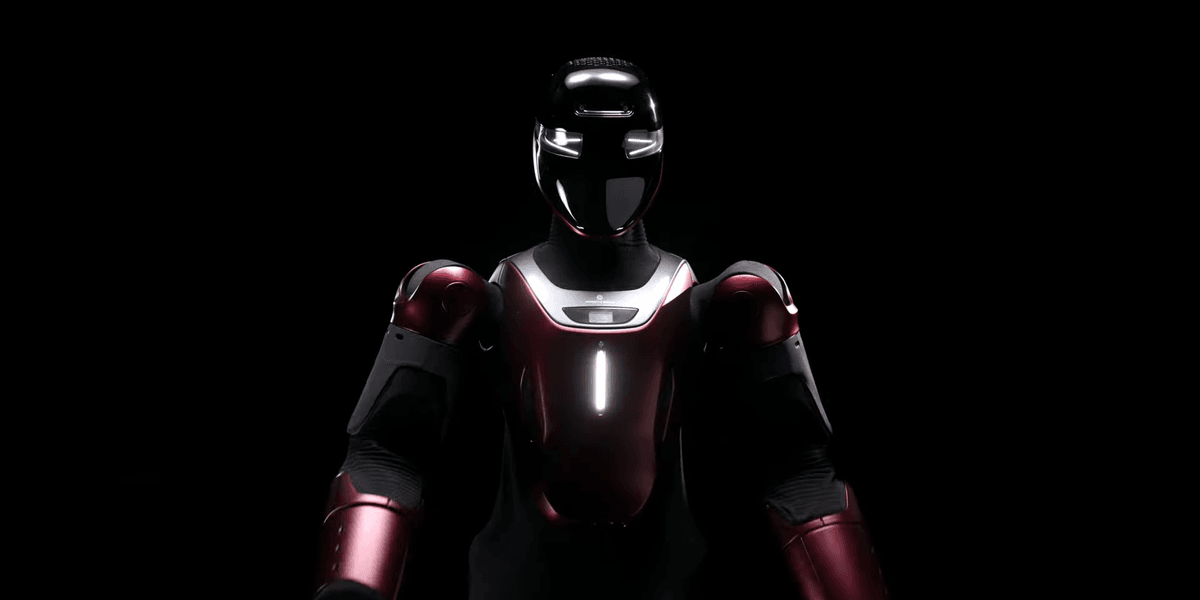
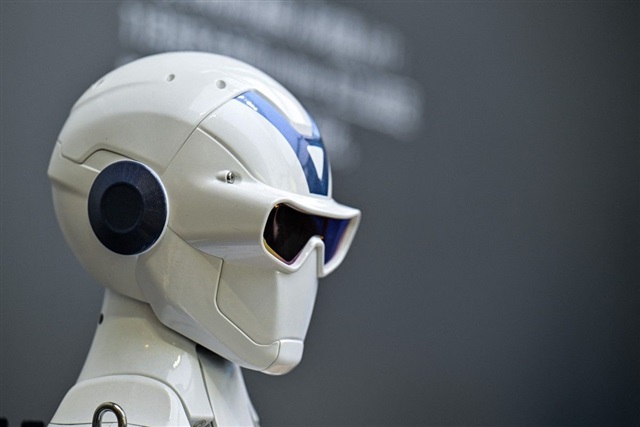
Generative Bionics built GENE.01, a fully functional humanoid robot with multimodal skin that perceives touch, proximity, force, and temperature, in six months. The robot can walk, sense, and interact with people.
Why it matters
GENE.01 represents a step toward Physical AI (AI systems that learn and operate in the physical world) with safe, natural human collaboration. Its full-body sensing brings robots closer to working alongside people in real-world settings.
What to watch
This is a working platform, not a render or concept—the video shows it in operation. The robot's ability to integrate multiple sensory inputs into coordinated movement suggests a model for future humanoid systems.
Ask the AI about this article →
Summaries like this, in your inbox every morning.
The article presents GENE.01 as a milestone in the robotics field by combining multiple sensing modalities into a single humanoid platform. The emphasis on "not a render, not a concept" signals that this is a working prototype, not a design study—a distinction that matters because most humanoid announcements are still at the visualization stage. The robot's multimodal skin is the key innovation: simultaneous perception of touch, proximity, force, and temperature allows it to respond to its environment in ways that prior single-modality robots could not. This breadth of sensing is presented as foundational to what the company calls "Physical AI," the idea that robots can learn and operate intelligently in the physical world. The six-month development timeline, while not explicitly benchmarked against competitors, is offered as evidence of practical feasibility rather than distant promise. The article contextualizes this achievement within a broader robotics ecosystem—in a section titled "Video Friday," it sits alongside other recent advances in embodied AI, drone delivery logistics, and robot learning from human demonstration—suggesting that humanoid robotics is one of several converging fields rather than an isolated breakthrough.
For example, today's edition would include:
AI-summarized, only the topics you pick — one digest a day via Email, Slack, or Discord.
Free · 30 seconds with Google · unsubscribe anytimeWhat is AIToday? →
Ask AI anything about this article. Q&As are published on this page for other readers too.
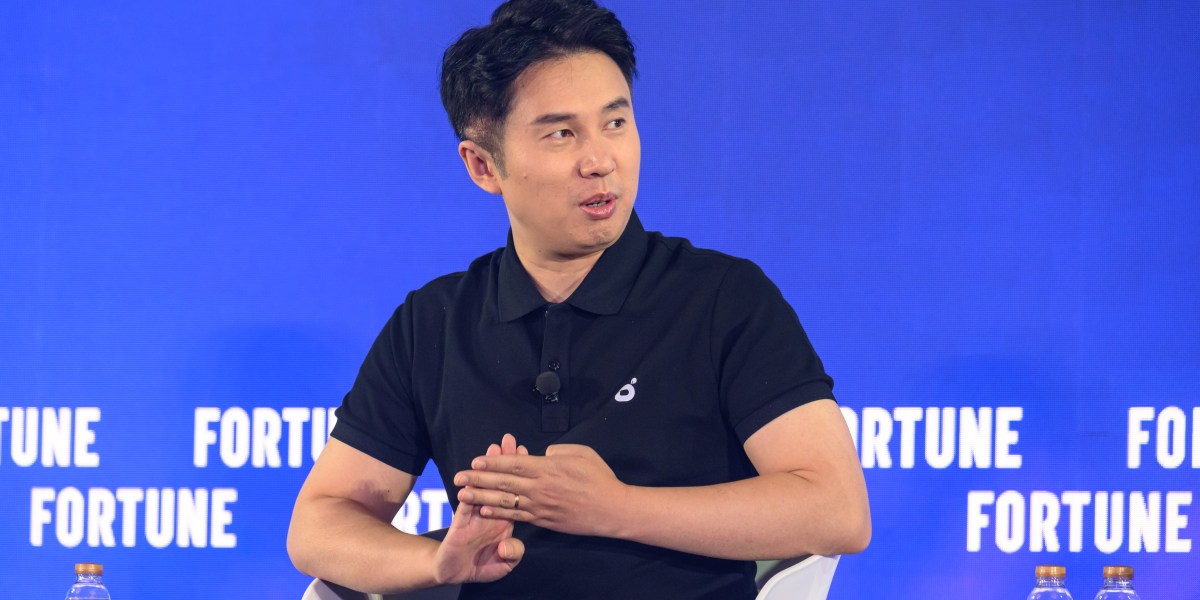
At the Fortune Leaders Forum in Macau on Sept
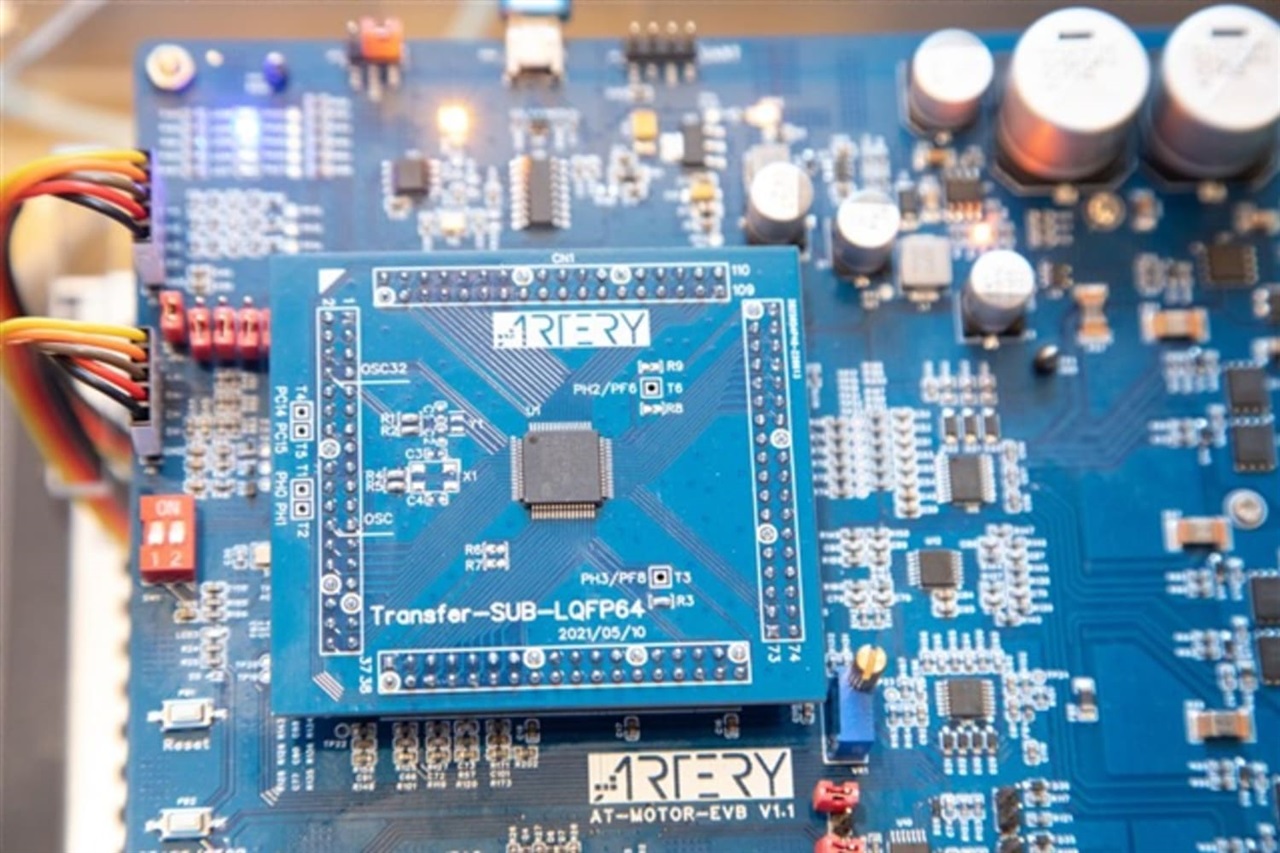
Artery Technology has become a key partner in Arm’s ecosystem, focusing on high-end 32-bit MCU applications an…
Caterpillar announced on Sept

Skild AI, with NVIDIA and Foxconn, is deploying Skild Brain on dual-arm manipulators for high-precision assemb…
A column explains that SLAM is the starting point of Physical AI, letting autonomous robots work in unstructur…
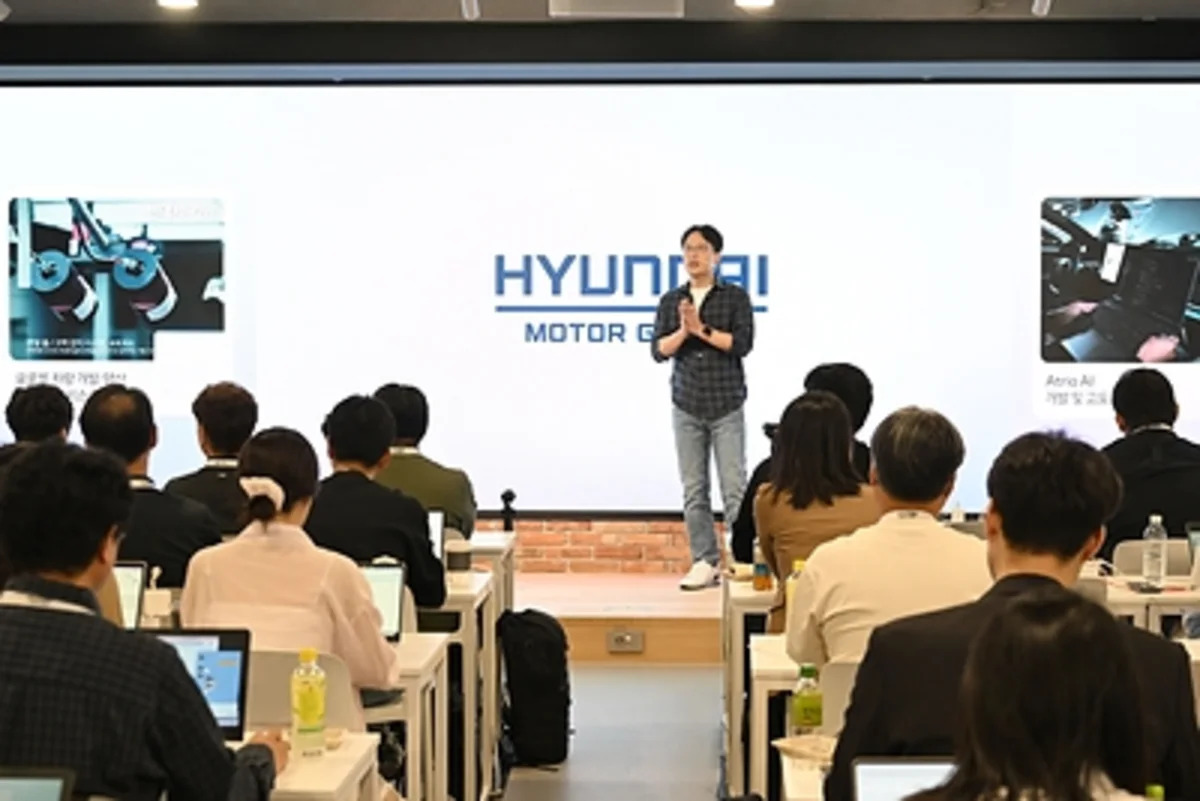
At its HMG Autonomous Driving Media Day, Hyundai Motor Group said its Data Flywheel is in full operation and s…