What happened
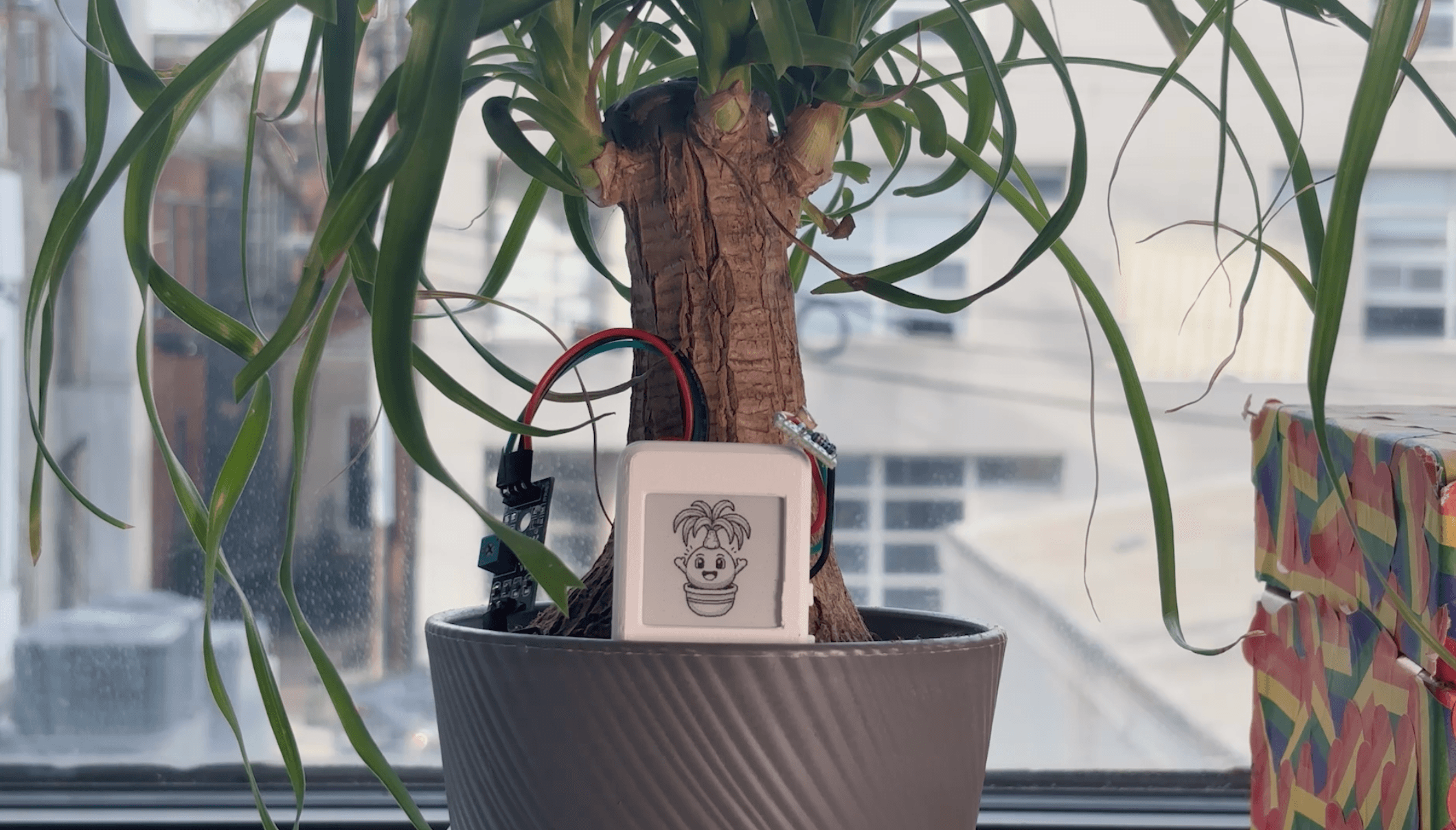
Daehwa Kim unveiled OATs, $20 E Ink modules that use sensors and Google Gemini's Nano Banana to give objects like plants and skateboards expressive AI avatars, at the ACM symposium in Detroit.
Why it matters
The project turns abstract AI agents into physical, emotional companions that nudge habits—though battery life of three to four days, or one day with the sound sensor, keeps it a proof of concept.
Summaries like this, every morning.
Kim's project sits at the intersection of two trends the symposium discussion made explicit: the push to give AI a physical body, and the industry's reliance on cuteness to drive adoption. The body notes failed attempts like the Humane Ai Pin and forthcoming hardware from OpenAI and Jony Ive, as well as Meta's Muse Charm pocket gadget expected in December. OATs differ in scale—a $20 E Ink module rather than a smartphone replacement.
The demo's popularity also surfaced a debate about anthropomorphizing AI. Kim points to industry habits like calling chatbot errors 'hallucinations' and Anthropic's 'dreaming' feature as examples of human-like framing. Her response is to keep OATs' interactions limited to expressive emotions on the display, arguing that anthropomorphism can help change behaviors but should not be abused.
Kim's user testing found three patterns: checking whether an object is in use, warning people near hazardous devices like 3D printers, and tracking personal habits such as weightlifting. Those uses suggest the appeal is less about companionship than about making invisible states visible—though the short battery life keeps the project in proof-of-concept territory.
Pick your industry and the AI tools you use, and get news related to your work every day.
Free · 30 seconds with Google · unsubscribe anytimeWhat is AIToday? →
Ask AI anything about this article. The AI reads this article, earlier AIToday articles, and Wikipedia, and cites its sources. Q&As are published on this page for other readers too.
Microsoft hosts Ignite from Nov

On November 12, Google launched Gemini 4 Hydrogen, aimed at everyday coding and multi-step agent tasks, and it…

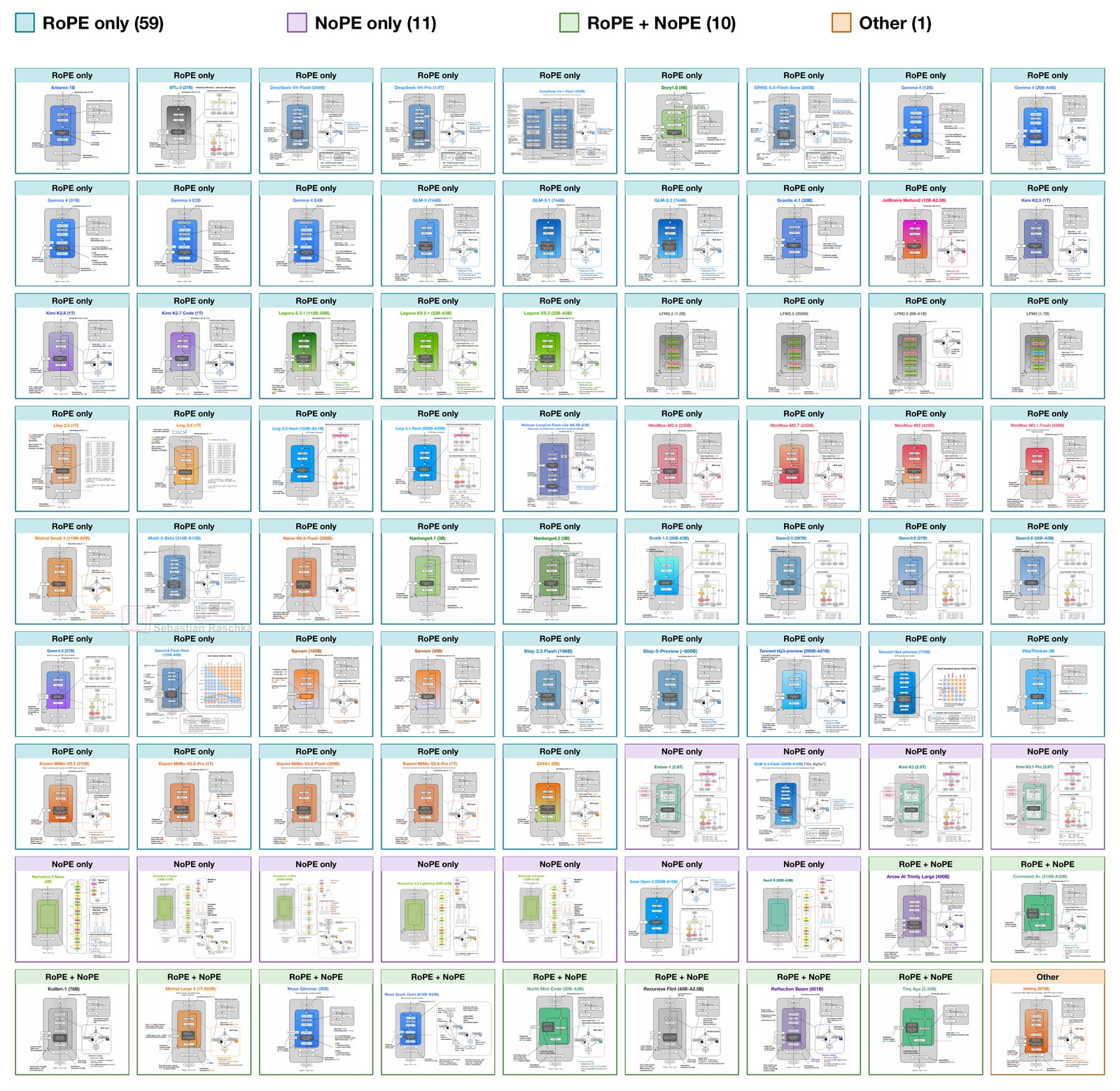
Sebastian Raschka published a technical walkthrough of positional embeddings in LLMs, covering learned absolut…
Meituan released the weights for LongCat-2.5, a 1.6-trillion-parameter agent model trained on Chinese hardware…

Nvidia reports Tuesday, the Fed releases October minutes Wednesday, and Anthropic expects to price its IPO Wed…

In a November 9 note, Evercore ISI's Amit Daryanani said Apple's integration across apps, personal data, and A…