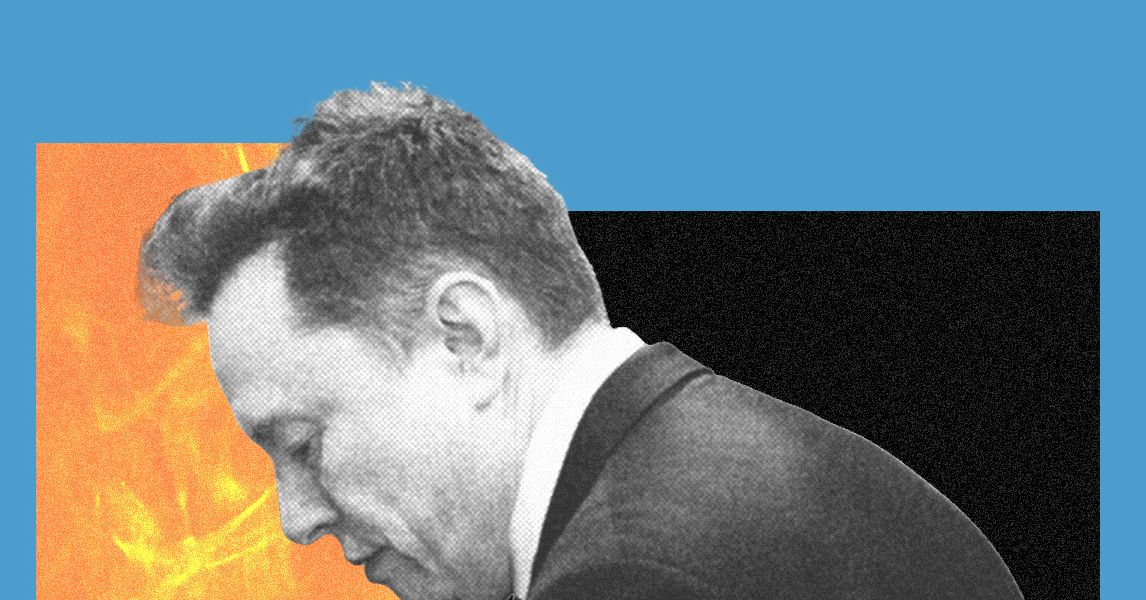
In September 2017, Musk demanded the right to choose four members of OpenAI's for-profit arm board of directors, which would have given him more voting power than cofounders Sam Altman and Greg Brockman. Researcher Ilya Sutskever rejected the proposal, saying he feared it would give Musk too much power.
Starting in spring 2017, Musk stopped sending $5 million quarterly payments to OpenAI, halting a $1 billion pledge he had made at the organization's launch in 2016. In August 2017, his family office head Jared Birchall asked whether to continue withholding the funds; Musk responded 'Yes.'
In October 2017, shortly after losing the power struggle, Musk held discussions about hiring OpenAI employees for Tesla and Neuralink (his brain-computer interface company), while still serving as an OpenAI board member. He recruited computer vision researcher Andrej Karpathy to Tesla as director of Tesla Vision.
Ask the AI about this article →
For example, today's edition would include:
AI-summarized, only the topics you pick — one digest a day via Email, Slack, or Discord.
Free · takes 30 seconds · unsubscribe anytimeWhat is AIToday? →
Ask AI anything about this article. Q&As are published on this page for other readers too.
Phonely Ltd. launched Alma, a large language AI model built for voice agents and trained on over 10 million re…
Aranya Inc., a startup founded last year, launched today with $11 million in funding
CBTS Technology Solutions LLC launched Forge Agents, a platform that turns a plain-language job description in…
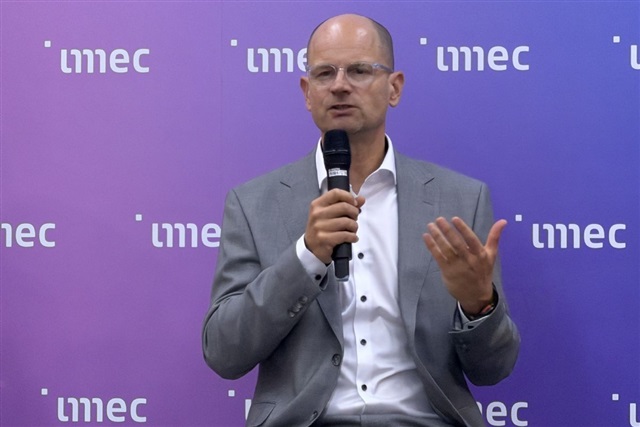
Imec CEO Patrick Vandenameele said at SEMICON Taiwan 2026 that the Belgian research center is broadening its c…
Alphabet's AI Overviews now reach over 2.5 billion monthly users through Google Search, and its ad business ge…
Sarah O’Connor's book 'We Are Not Machines' explores how mechanization and AI have transformed the workforce…